Feeds:
Posts
Comments

Archive for the ‘Weekly Post’ Category

Paintings made with homemade pigments for my Intersession Science and Art class

Paintings made with homemade pigments for my Intersession Science and Art class

As a follow up to our lab for making iron-gall ink, I wanted to find recipes online for turning a standard high school chemical inventory into paint pigments for watercolors, pastels, or oil paints. I found some websites that use natural ingredients such as berry juice or even walnut shells, but not much on how traditional paint colors were made or how to make them today so they are colorfast and lightfast.
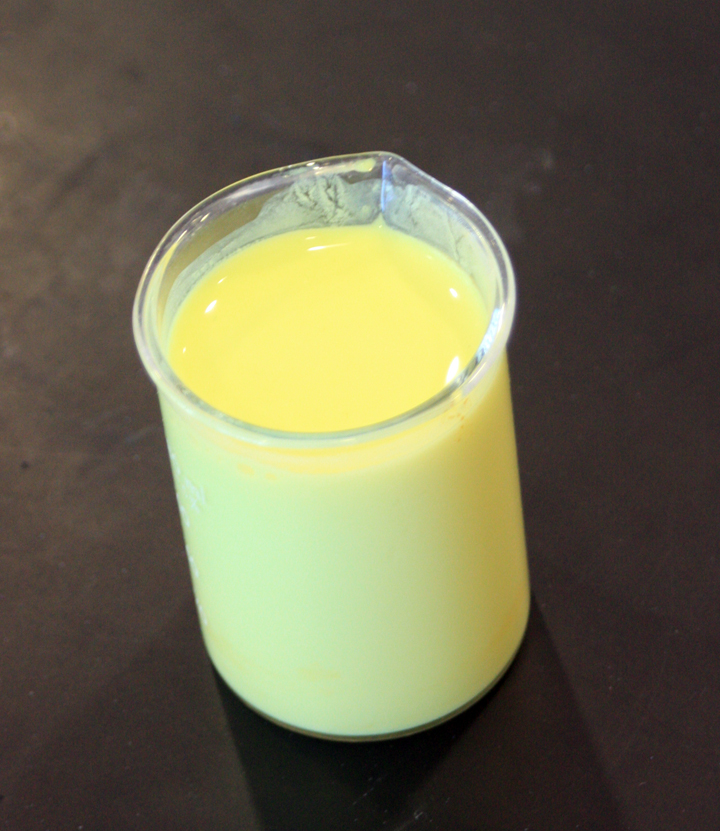
Lemon yellow pigment made from a double replacement reaction of barium nitrate and potassium chromate.

Lemon yellow pigment made from a double replacement reaction of barium nitrate and potassium chromate.

To make an ideal pigment, it must have several properties. It must be suspendable in some sort of medium, such as water or linseed oil. This means it forms fairly large particles that are opaque to light yet small enough to not settle out of solution immediately. Once on paper or canvas they should resist re-dissolving (waterproof) in the case of watercolors but be re-workable in oil paints. Pigments must stay the same color under a wide range of circumstances, including minor changes in pH or humidity or under exposure to light.
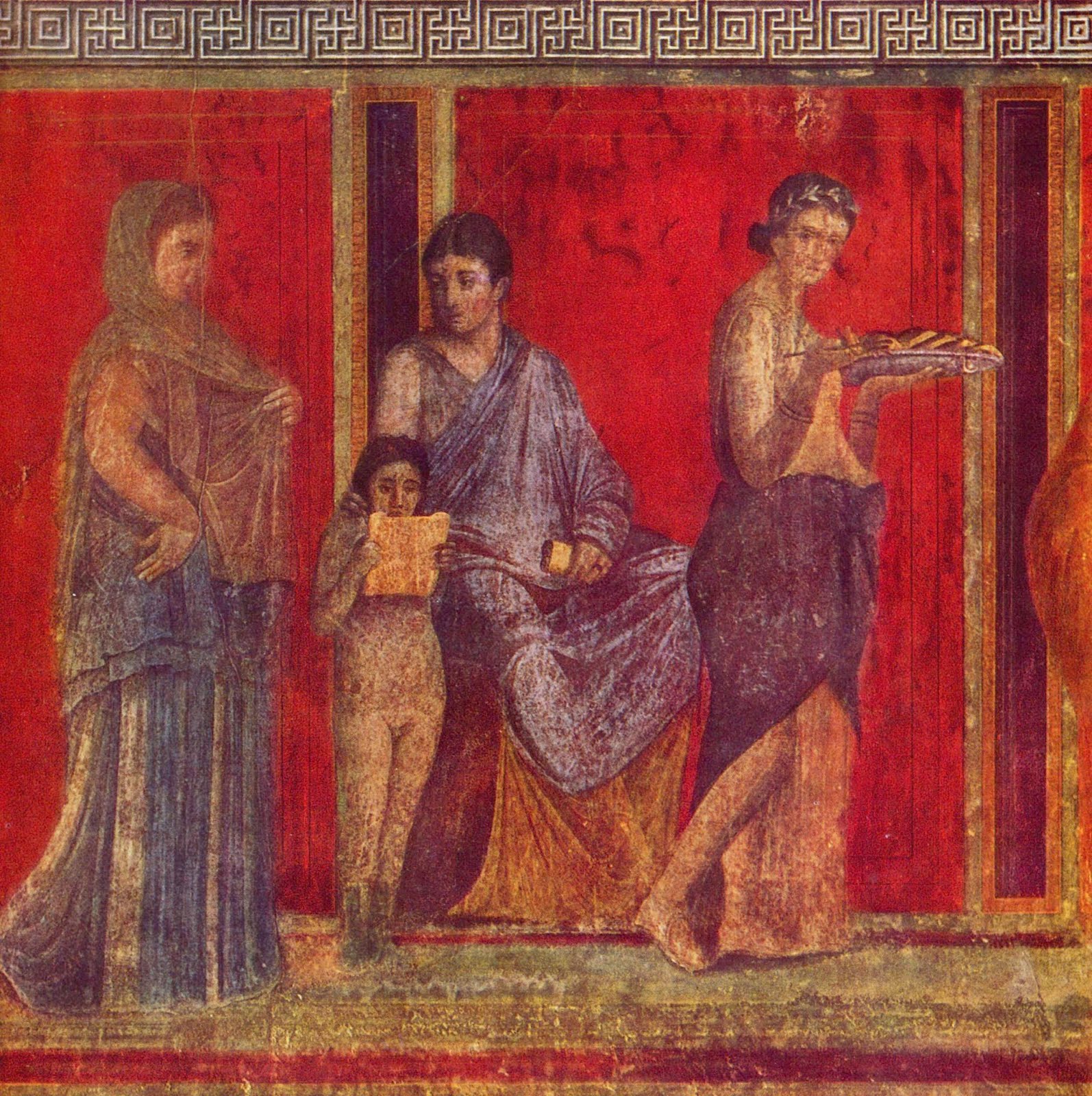
The Villa of Mysteries in Pompeii. The red background color is vermilion, or mercury sulfide made from cinnabar. According to Pliny the Elder, the painters made a nice side profit by frequently washing their brushes and taking home the wash water.

The Villa of Mysteries in Pompeii. The red background color is vermilion, or mercury sulfide made from cinnabar. According to Pliny the Elder, the painters made a nice side profit by frequently washing their brushes and taking home the wash water.

Many paint pigments were originally made from colorful rocks or minerals, such as lapis lazuli, aquamarine, charcoal, orpiment, or cinnabar. Some of these minerals, such as cinnabar (mercury (II) sulfide) are toxic. Most of the red pigments tend to be this way, or else aren’t a very bright shade of red. Yes, iron oxide (rust) makes a reddish brown and madder root makes a dull burgundy, but only cinnabar (also known as vermilion or Chinese red, which is a bright orange red) or lead oxides (known as minium) could produce a good red until the Spanish Conquest of the Americas.
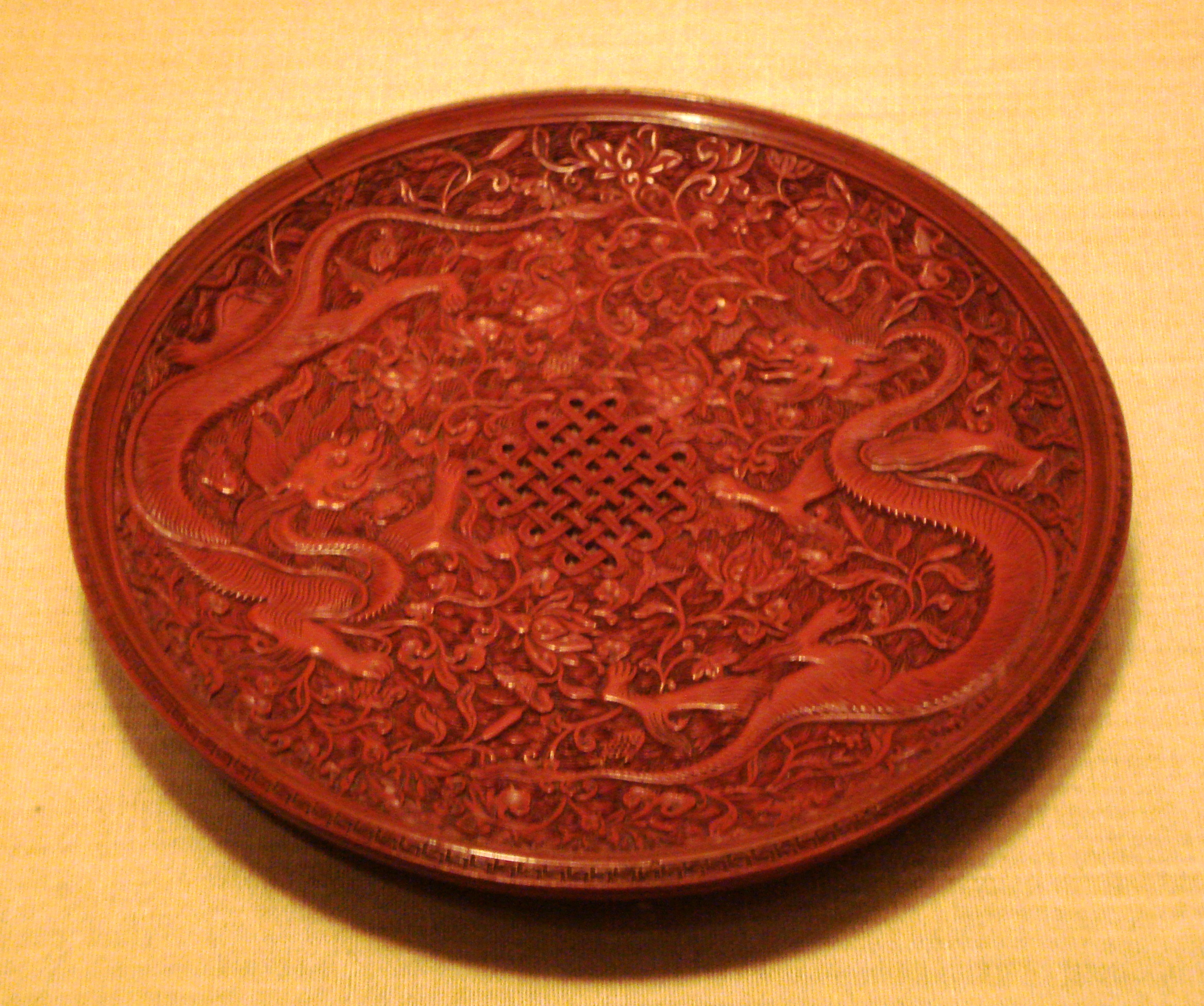
Chinese red lacquerware box colored with Chinese red, or cinnabar.

Chinese red lacquerware box colored with Chinese red, or cinnabar.

When Cortez conquered Mexico, he found an abundance of cloth dyed a bright red color and on investigation found that the dye was produced from a ground up insect called cochineal. It produced a range of bright reds from magenta through red-orange, depending on how it was treated. He brought samples of the cloth and the bug (along with samples of chocolate, but that’s another story) back to Spain with him. The insect grows on a particular species of prickly pear cactus in Central and South America, and the Spanish eventually found it could grow and prosper in some parts of southern Spain and on the Canary Islands. The dye it produces is called carmine. It is the red of a cardinal’s robes and the red of the British Redcoats. It is still used today, including in various types of red or pink-dyed foods, including strawberry milkshakes. In the food industry, it is known as Red Dye # 4.
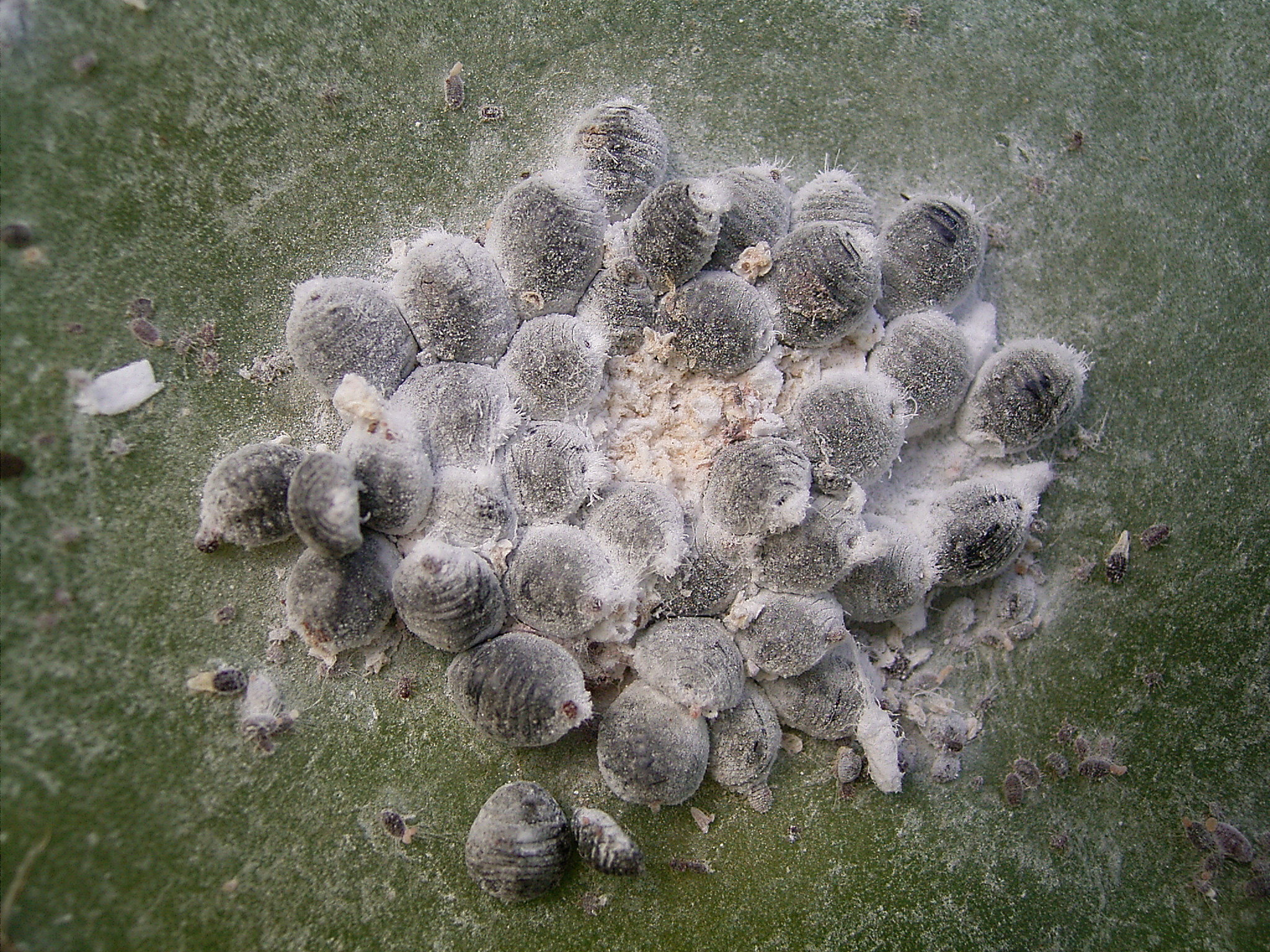
Cochineal insects living on large cacti. The female insects are sessile, attaching themselves permanently to the cactus and extruding a waxy coating to prevent dehydration. The carminic acid helps to ward off predators.

Cochineal insects living on large cacti. The female insects are sessile, attaching themselves permanently to the cactus and extruding a waxy coating to prevent dehydration. The carminic acid helps to ward off predators.

The types of reds used for painting now are cadmium red (which is rather expensive to make) and alizarin crimson, a synthetic pigment made from coal tar derivatives. You can also get a pink color by using a hydrated form of cobalt chloride as a pigment, but it turns bright blue as it dries out.
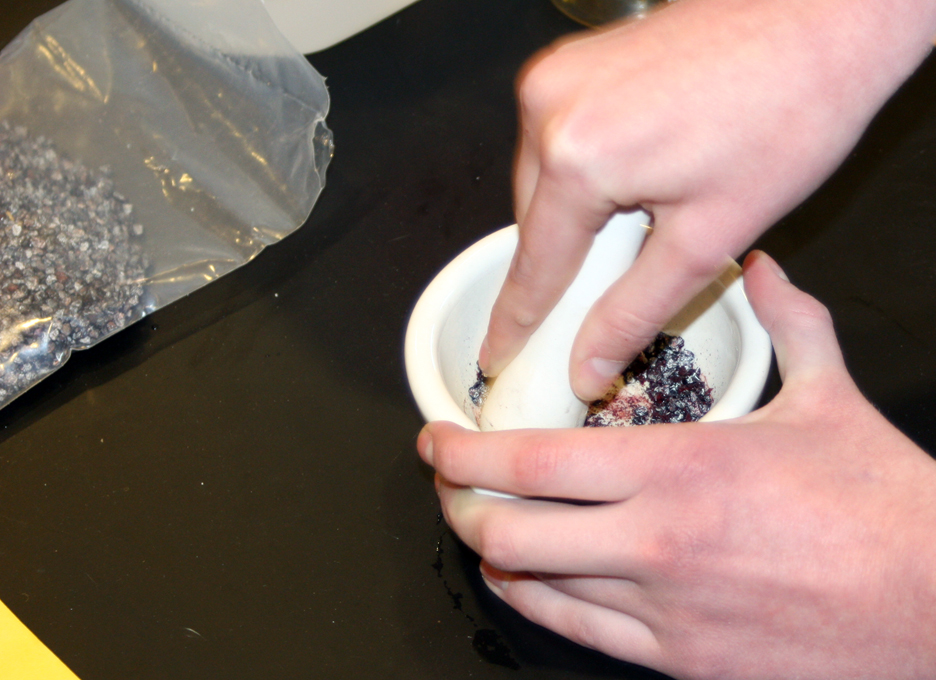
Grinding dried cochineal insects to make carmine pigment. This dye is also used in foods. Yes, you are eating bug juice.

Grinding dried cochineal insects to make carmine pigment. This dye is also used in foods. Yes, you are eating bug juice.

After searching all this out, I finally came across a website that provided information on the history and production of various pigments. It is called Pigments Through the Ages and has a URL of: http://www.webexhibits.org/pigments/. It shows all the various colors made, gives the history and traditional methods for producing them, as well as modern equivalents. I determined to try these out in my chemistry and Intersession classes. We did some experimentation and here are the recipes we developed:

Pigment recipes

Once we got a viable pigment, we added a few drops of gum Arabic as a binder and to thicken the pigment. Then we tried it out by sketching and painting illustrations. My chemistry class had to paint something related to the history of chemistry or their own chemistry presentation topic.
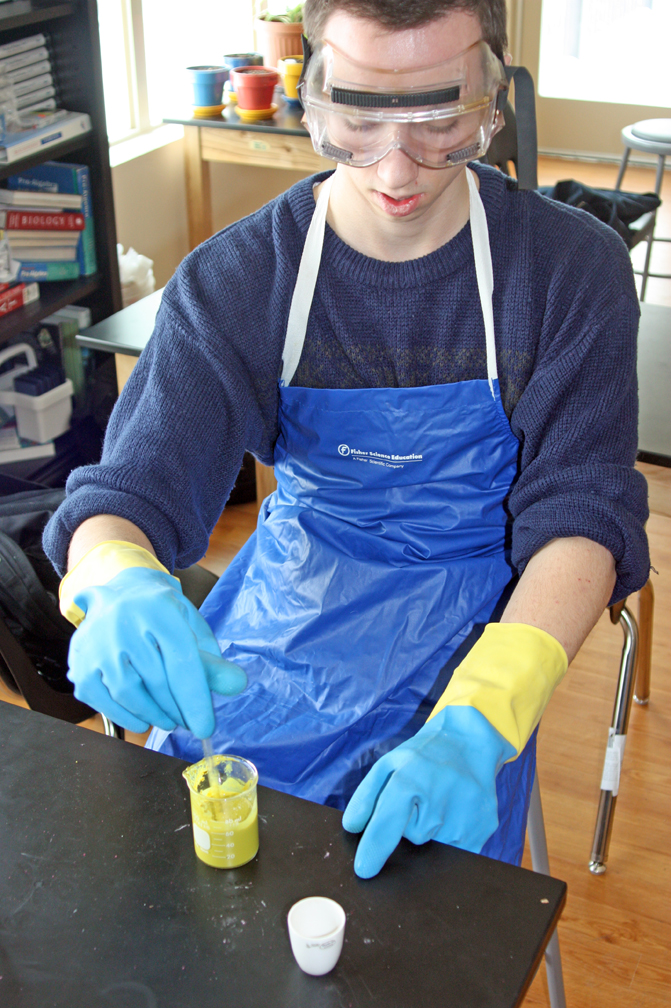
Chemistry student Evan makes synthetic yellow ochre pigment.

Chemistry student Evan makes synthetic yellow ochre pigment.

Please feel free to experiment, adapt, and test these formulas. From our experiments we had some interesting results. The Cobalt blue recipe was a light purple/pink in solution (the hydrated cobalt chlorides) but dried a bright cyan blue color. This happened every time we made it in class, yet one student who wanted to test these pigments as a science fair project made her own cobalt blue which turned out staying a medium blue as the recipe said it should. I’m not sure what she did differently. When we made the cobalt purple, the student wanted to thicken the resulting solution by boiling off some of the water. This produced a bright pink pigment that was colorfast and was very useful combined with lemon yellow to make a flesh tone.
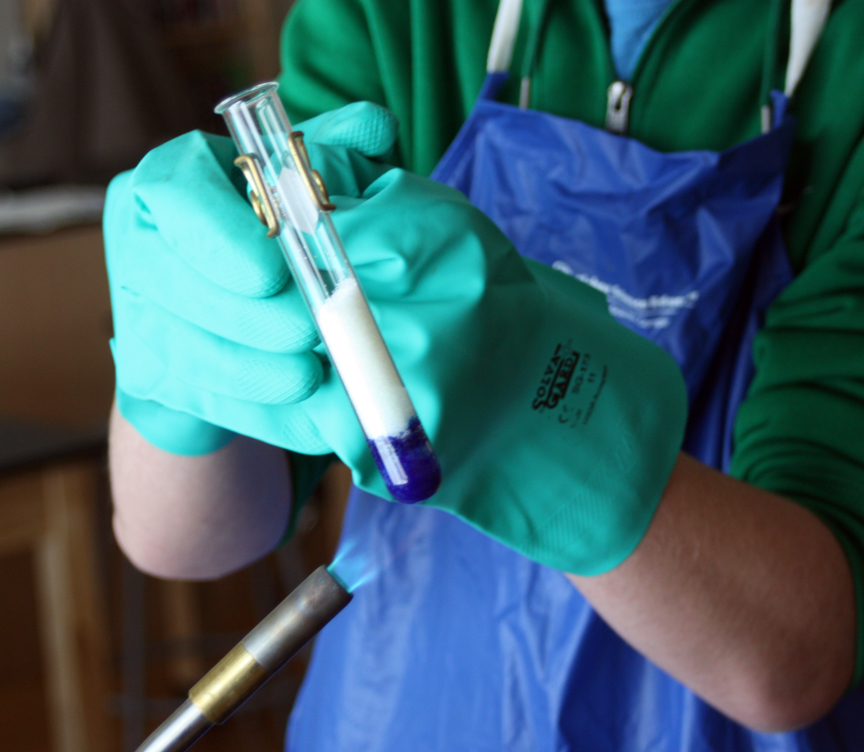
Making cobalt blue pigment.

Making cobalt blue pigment.

The lemon yellow and Prussian blue formulas are infallible. The yellow ochre recipe was interesting. It starts with the same cobalt chloride as two other pigments, but uses glacial acetic acid to convert it to yellow. It works to make a powder and then hydrate it once the process is done, producing a pigment that is a dull yellowish gray dry but makes an intense slightly grayish yellow when dissolved in water. The carbon black (India black) was easily made from finely ground charcoal, although I would use a charcoal without self-lighting fluid. It makes an oil slick on the pigment. You could probably use soot even more advantageously as it is already finely divided. Just build a small campfire and put a piece of metal over the flames to collect soot, then scrape it off for a pigment.
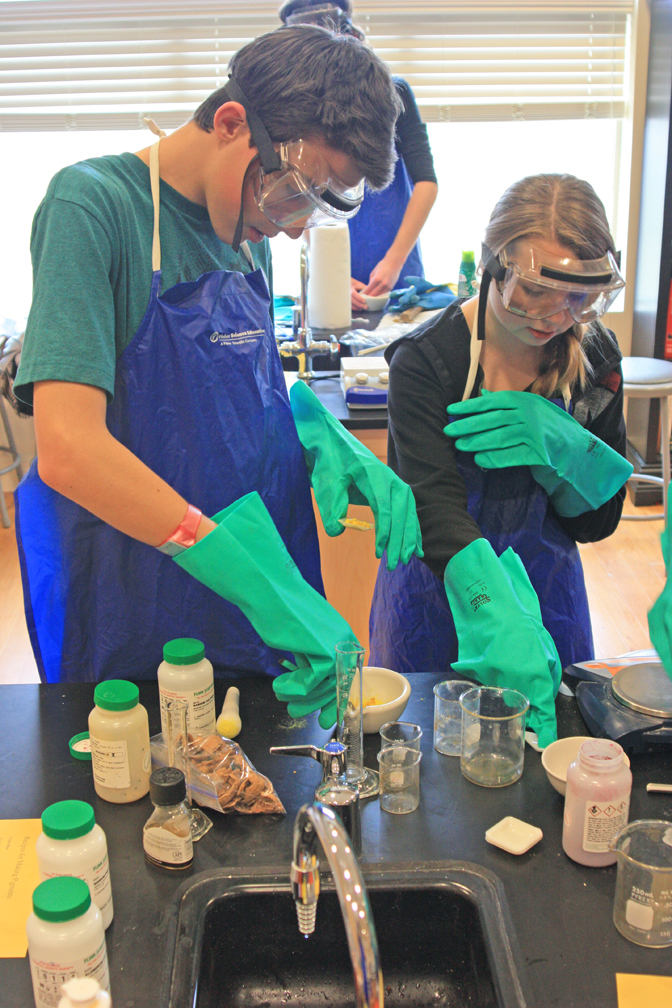
Making pigments in the lab at Walden School

Making pigments in the lab at Walden School

The colors we had trouble with were browns and reds. I have not tried making a pigment from walnut shells, although I have collected some for the purpose. I did try to make brown using a piece of yellow ochre mineral (iron sulfide and oxide) I had, but the powdered ochre would not mix with water and rubbed off the paper even when I tried using some gum Arabic to bind it.
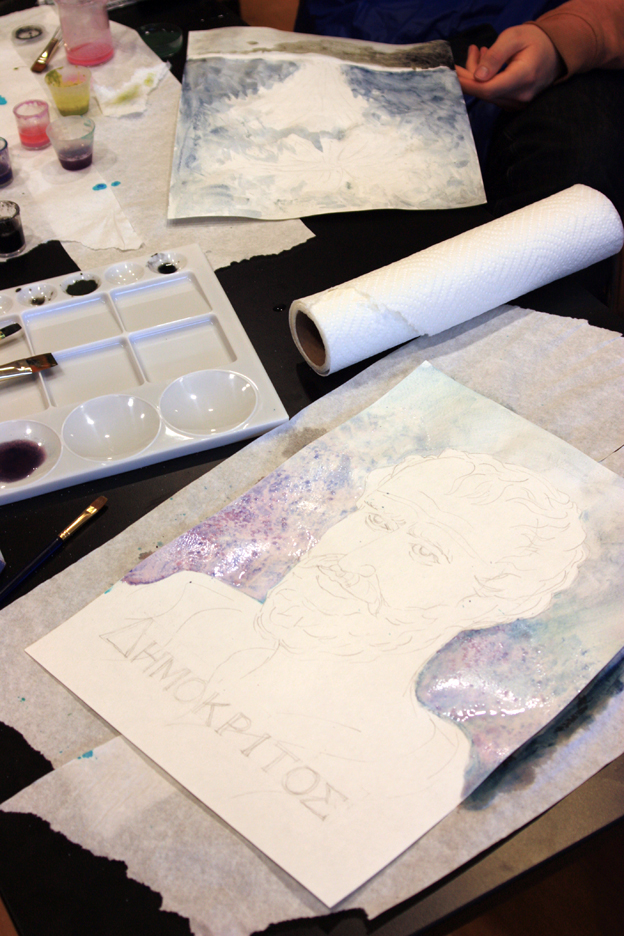
Beginning to paint the background washes using cobalt blue (which looks pink when wet) and prussian blue.

Beginning to paint the background washes using cobalt blue (which looks pink when wet) and prussian blue.

As explained above, red is a problem. I didn’t want to make red using lead or mercury compounds (minium or vermilion) and I couldn’t afford the cadmium, so the last result was to use cochineal, which I ordered from the Dharma Trading Company. Our first attempt was only partially successful. We ground up the insect bodies in a mortar and pestle and a red fluid came out, mostly carminic acid. We tried using it directly as a pigment, but the paint turned black with exposure to air. We then tried adding natural chalk (calcium carbonate) to make a lake, and that started as an opaque burgundy but turned black within a few minutes. Finally, I tried using alum powder (aluminum hydrogen phosphate) as a mordant and it made a nice burgundy color that was permanent.
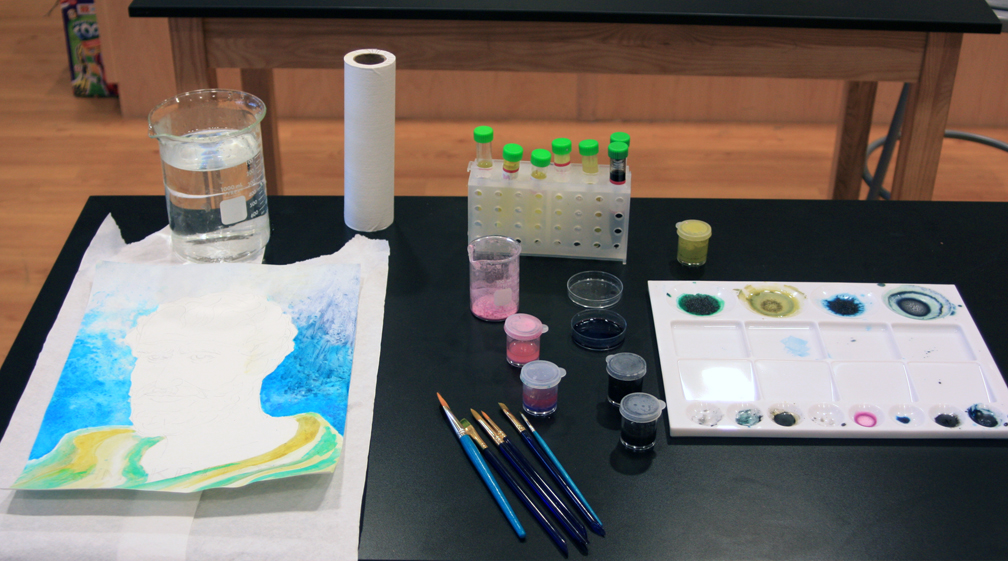
Adding green robes made from a mixture of lemon yellow with cobalt blue and yellow ochre with Prussian blue.

Adding green robes made from a mixture of lemon yellow with cobalt blue and yellow ochre with Prussian blue.

Further research into cochineal told me that the best way to use cochineal to make carmine pigment is to crush the dried bus in a mortar and pestle, then filter the solid parts out by running the bug juice through filter paper or cheesecloth. Then add alum powder to stabilize the deep burgundy color. By adding a little vinegar, the color can turn a bright transparent red to reddish orange that will stain and dye cloth and work well for a watercolor pigment. I will try adding some chalk to it at this point to make the pigment opaque for pastels or paint.
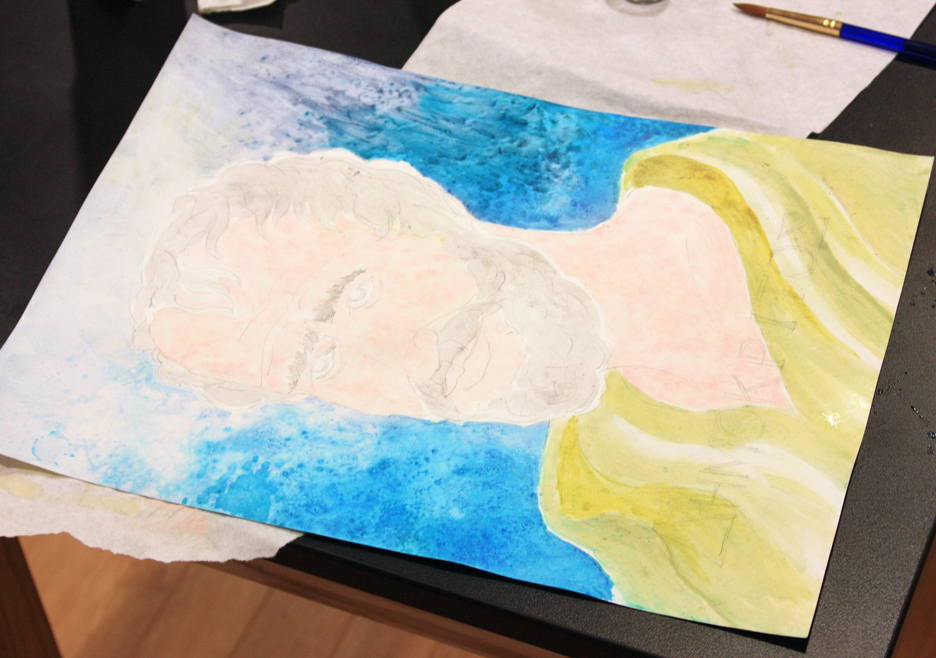
Flesh tones (lemon yellow with cobalt pink) and gray beard (carbon black).

Flesh tones (lemon yellow with cobalt pink) and gray beard (carbon black).

As for the brown colors, even to this day most browns come from a clay which is dug out of deposits near the towns of Sienna and Umbria in Italy, then ground fine and used as a pigment. Sometimes they are heated or “burnt” to darken the color. This produces the colors raw and burnt sienna and burnt umber. I can’t exactly take a trip to Italy just to dig up dirt, so I’m working on my own browns out of walnut shells and other organic and mineral sources. I’m a bit stumped on how to grind up the walnut shells to get a fine powder.
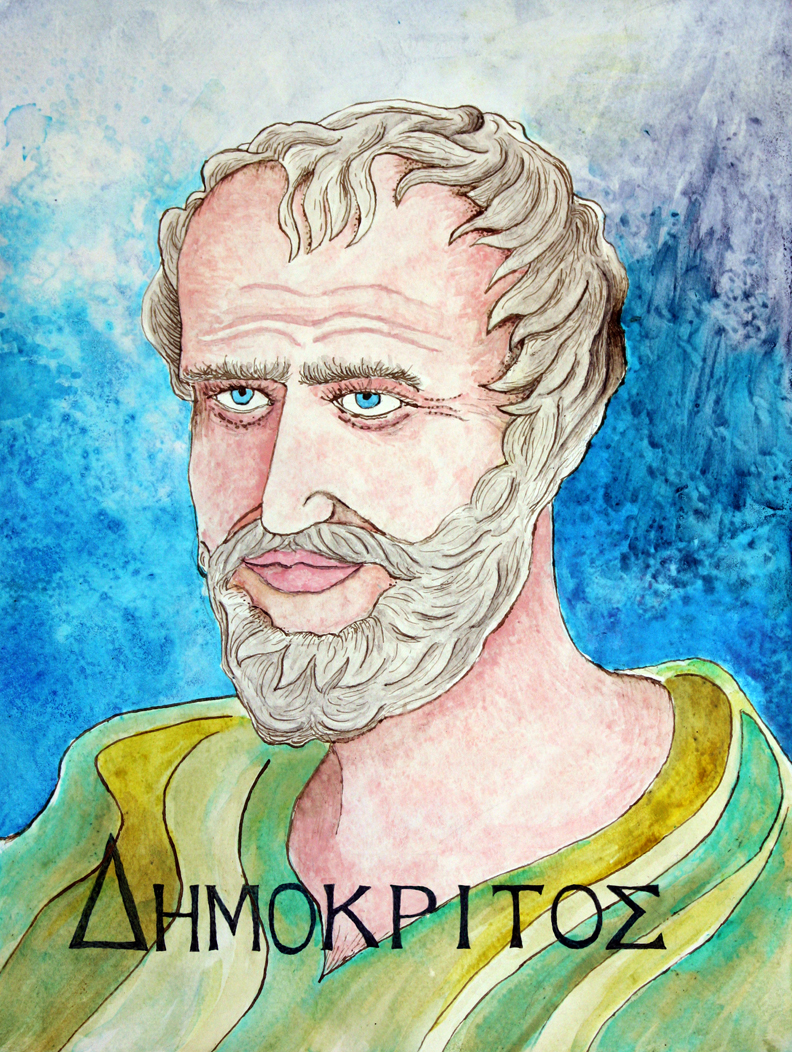
The finished Democritus with pen and ink details. It was painted entirely with homemade pigments and inks.

The finished Democritus with pen and ink details. It was painted entirely with homemade pigments and inks.

I’ve included some of the paintings we’ve done. I did the one on Democritus, but others were done by students. I added details at the end with iron-gall ink and Prussian blue ink and a Speedball drawing pen. I also have a piece of watercolor paper that I’ve been using to paint and test swatches of our homemade paints, and you can see we’ve had some interesting results. We can now create about any hue, shade, or tint we need.
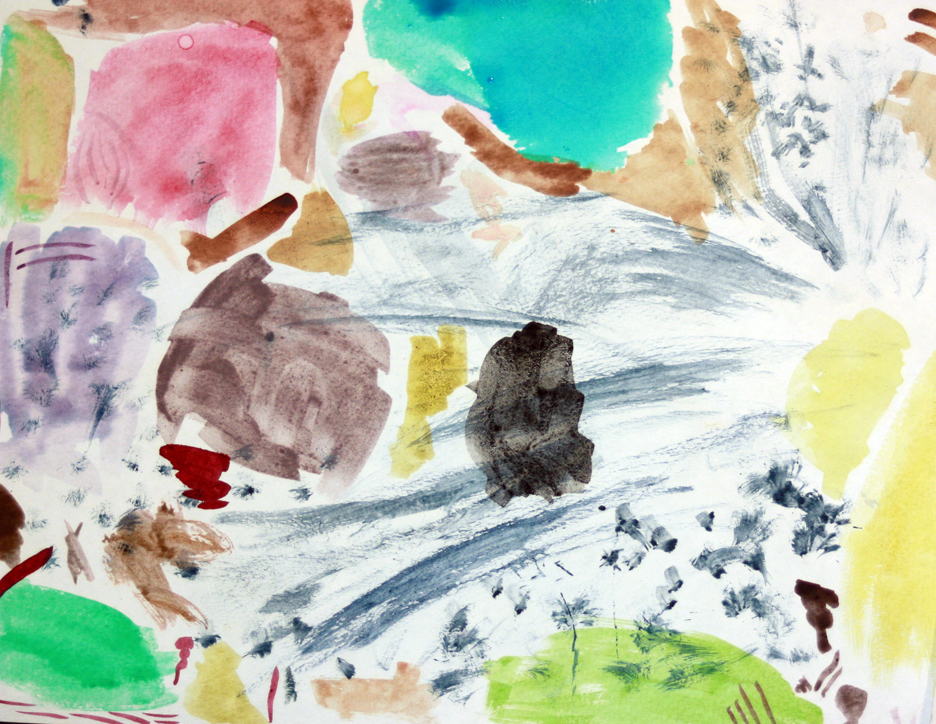
Paper of color swatches, used to try out variations and mixtures of pigments. The stabilized carmine is the deep burgundy swatches. The bright cyan is cobalt blue.

Paper of color swatches, used to try out variations and mixtures of pigments. The stabilized carmine is the deep burgundy swatches. The bright cyan is cobalt blue.

This has been a fun and informative exercise in inquiry and experimentation. We’ve seen most of the types of chemical reactions, have seen a variety of physical and chemical changes, and have even practiced some stoichiometry as we work on the finding the best ratios of reactants for our pigments.
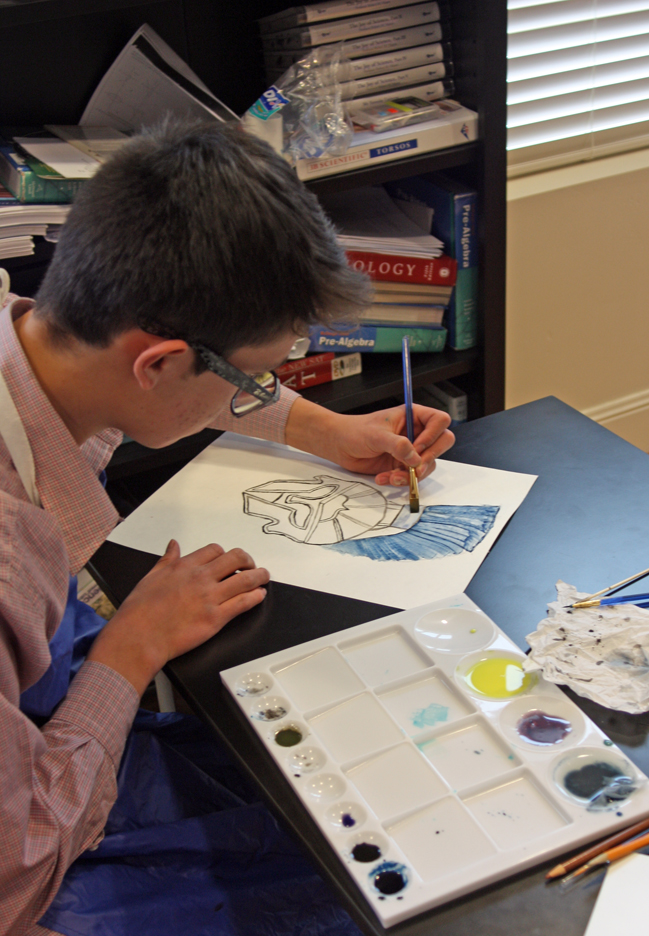
Sebastian painting Greek armor using Prussian blue and cobalt blue with carbon black pigment he made.
Sebastian painting Greek armor using Prussian blue and cobalt blue with carbon black pigment he made.

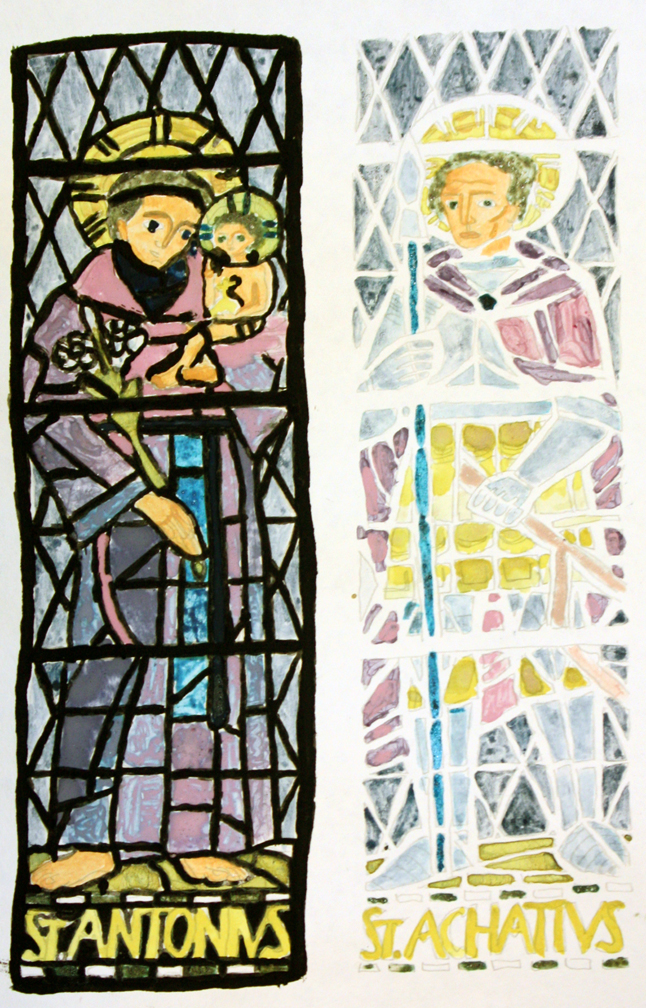
Painting of stained glass windows by Nicole.
Painting of stained glass windows by Nicole.

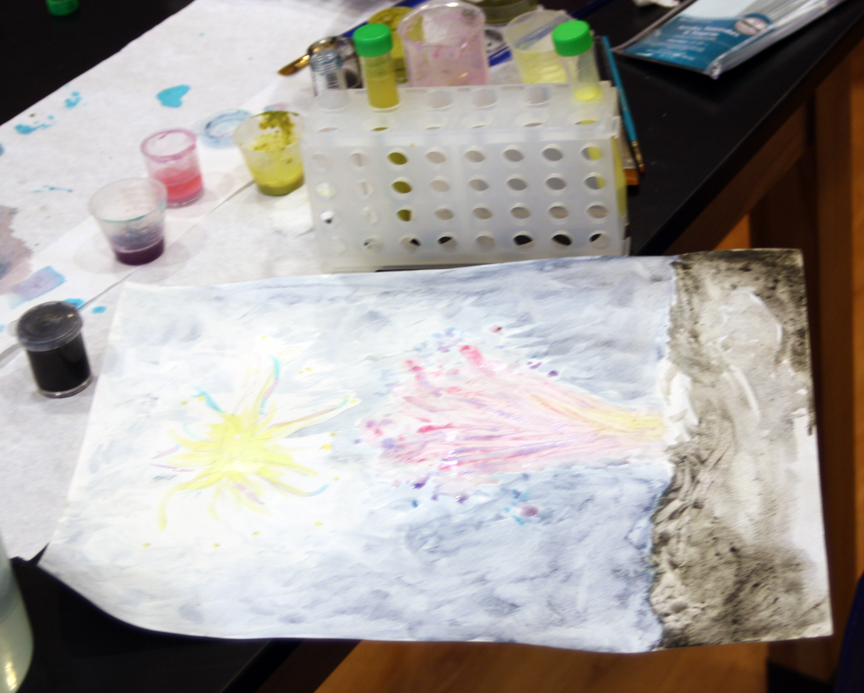
A painting of fireworks in progress.

A painting of fireworks in progress.

Read Full Post »

Visualizing electronegativity of the elements in 3D

Visualizing electronegativity of the elements in 3D

While teaching the history and patterns of the periodic table of the elements to my chemistry students, I wanted them to get a better feel for the concept of periodicity – that some elemental properties repeat periodically as you increase atomic numbers.

Melting points of the elements visualized in 3D

Melting points of the elements visualized in 3D

For example, at the left of each period (row) is an element that is a soft metal that will react with water to produce a strong base. As a family they are called the alkali metals, and consist of lithium, sodium, potassium, rubidium, cesium, and francium. We now know they have a similar electron configuration, with a single electron in an s-type orbital. This electron is easily ionized away and accounts for the alkali metals’ high reactivity. Other families of elements (usually found in columns in the table) include the noble gases, the halogens, and the royal metals (copper, silver, and gold). It was the relationships of similar properties that led Mendelyev (and de Chancourtois, Newlands, Oddling, and Meyer) to develop the periodic table in the first place.

Melting points with a golden texture

Melting points with a golden texture

In an effort to visualize these patterns more clearly, I have devised a technique for taking the numerical values of a property, such as electronegativity, atomic radius, or melting point and turning them into three-dimensional models.

Chart for recording the numerical values of a periodic property

Chart for recording the numerical values of a periodic property

I start with a chart that is divided into squares in the shape of the periodic table, with white squares representing elements and black squares the spaces between and around the sections of the table (you can download this diagram here).

Periodic Properties Chart: 3D periodic properties table

Pairs of students look up one of the periodic properties, then write the numbers down for each element on the chart.

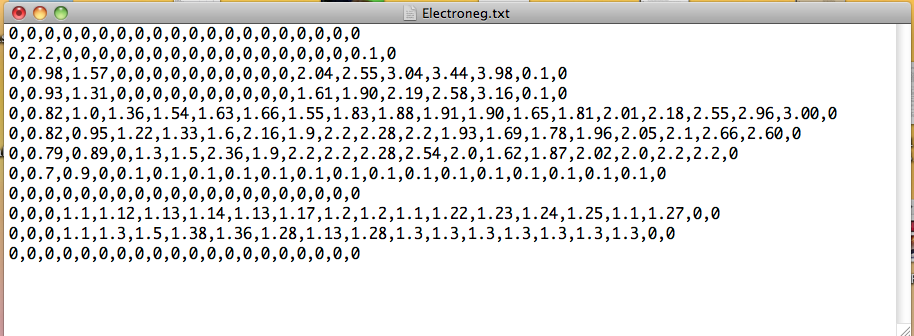
In a text editing program such as Text Edit or Microsoft Word, my students then type in the numbers for each row of the chart, separating them by commas and hitting return or enter to make the next row. For the black squares, they type in a zero. They have to be careful not to leave any element or blank square out. They will have 12 rows of 20 numbers each.

Electronegativity values typed in as comma-separated rows. Blank spaces on the chart are given zeros. The final grid is 12 rows of 20 values each.

Electronegativity values typed in as comma-separated rows. Blank spaces on the chart are given zeros. The final grid is 12 rows of 20 values each.

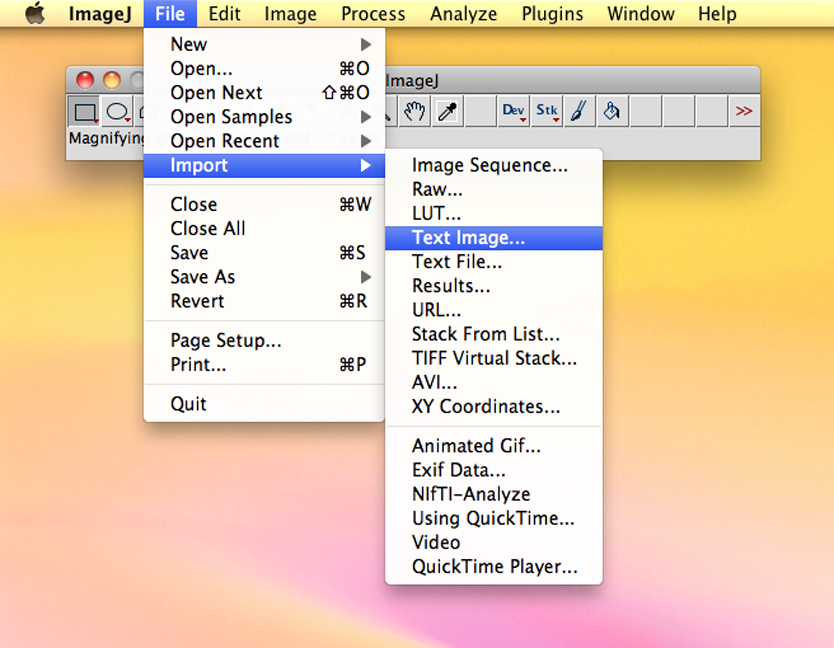
Once the comma-separated rows of numbers are done and checked, the students save the array as a raw text file (.txt) so that all formatting is erased. They then load the file up into a program called Image J. This program is freeware developed by the National Institute of Health and is very useful for analyzing images. To load in the number array .txt file, students need to go to the file menu and choose “File-Import-Text Image” and select their .txt file. This will create a grayscale image based on the .txt values: the lowest values (the zeros around the edges of the periodic table) are black and the highest value is made white. It will be a small image since the entire array is 20 by 12 pixels. You can save the image created or zoom in on it as close as it will with Command-+ and save a screen shot of it.

Importing the .txt file as a Text Image into Image J software

Importing the .txt file as a Text Image into Image J software

The original grayscale heightmap is only 20 x 12 pixels. You will need to zoom in and save a screen shot of the image.

The original grayscale heightmap is only 20 x 12 pixels. You will need to zoom in and save a screen shot of the image.

In Adobe Photoshop or GIMP, students load in the screen shot and cut it so only the grayscale area remains, then increase the resolution. You will need to blur it slightly (2-3 pixel Gaussian blur) to get rid of artifacts around the edges of the squares. Then make the canvas square by adding a black background using the “Image-Canvas Size” feature in Photoshop. You can do a similar function in GIMP. Save it as an RGB or 8-bit grayscale PSD or PNG file. This prevents the grayscale heightmap from getting distorted in the 3-D terrain editor.

The grayscale heightmap in Image J after zooming in.

The grayscale heightmap in Image J after zooming in.

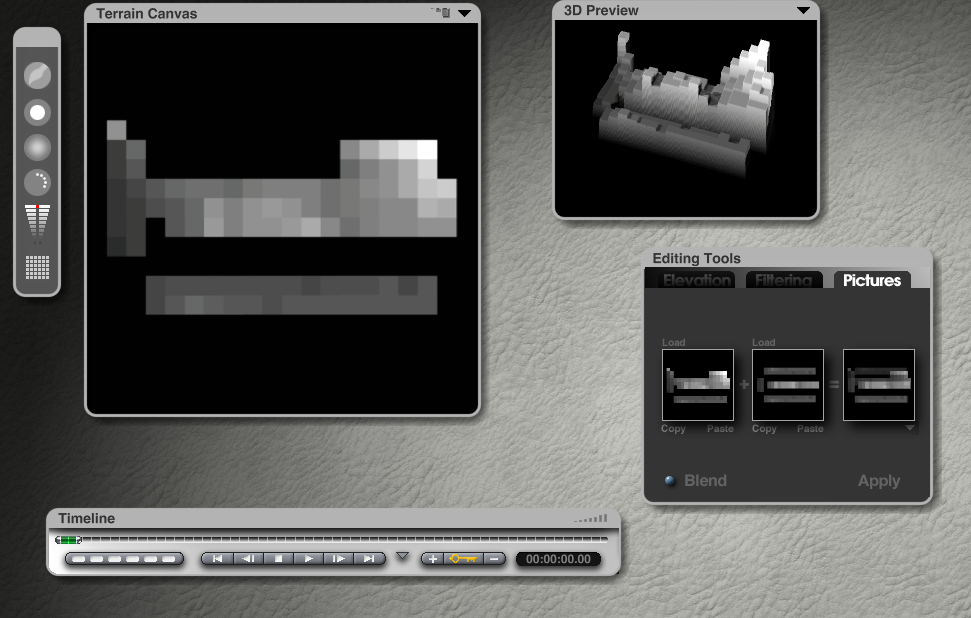
Now open up your favorite 3-D modeling software. I use Daz3D Bryce because it makes excellent terrains. Most other 3-D software can do terrains out of grayscale heightmaps. Some free or low cost options are Blender and Autodesk Maya (you can find a free PLE version of it). You will then need to load in the square grayscale file you just made using the “Load” buttons in the Picture tab of the Terrain Editor, smooth it, and put a texture on it.

Electronegativity heightmap after adding black edges to make it a square. This avoids distortion in the 3D modeler.

Electronegativity heightmap after adding black edges to make it a square. This avoids distortion in the 3D modeler.

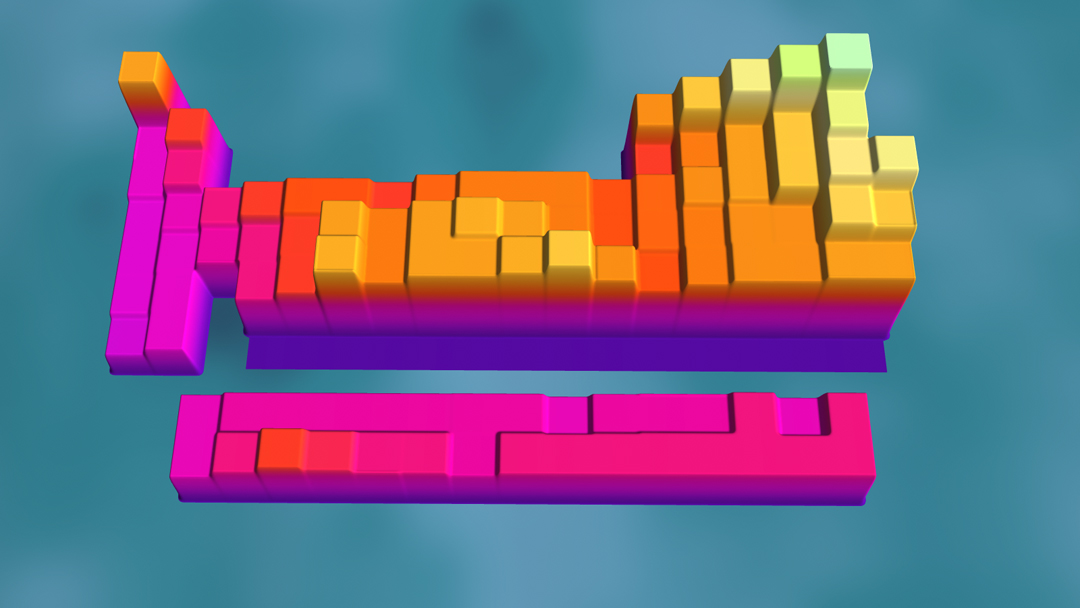
At this point you have a 3-D terrain showing the strength of a periodic property for each element. I am including several examples here. The models can be animated or have a camera fly around it. You can add lights and render out images, then put together a class powerpoint using all the student’s images to demonstrate periodicity and the Periodic Law.

The Terrain Editor in Daz3D Bryce. The model may need additional smoothing to round off artifacts.

The Terrain Editor in Daz3D Bryce. The model may need additional smoothing to round off artifacts.

I’ve also put together a video that describes the history of the periodic table as narrated by Dr. Eric Scerri of UCLA. You can find it on the video page of this blog.

Electronegativity model in Daz3D Bryce. An altitude sensitive texture has been applied.

Electronegativity model in Daz3D Bryce. An altitude sensitive texture has been applied.

Give it this activity a try and let me know how it turns out. I’d love to see examples of what your students come up with.

Electronegativity model in Daz3D Carrara with a little mood lighting

Electronegativity model in Daz3D Carrara with a little mood lighting

Read Full Post »

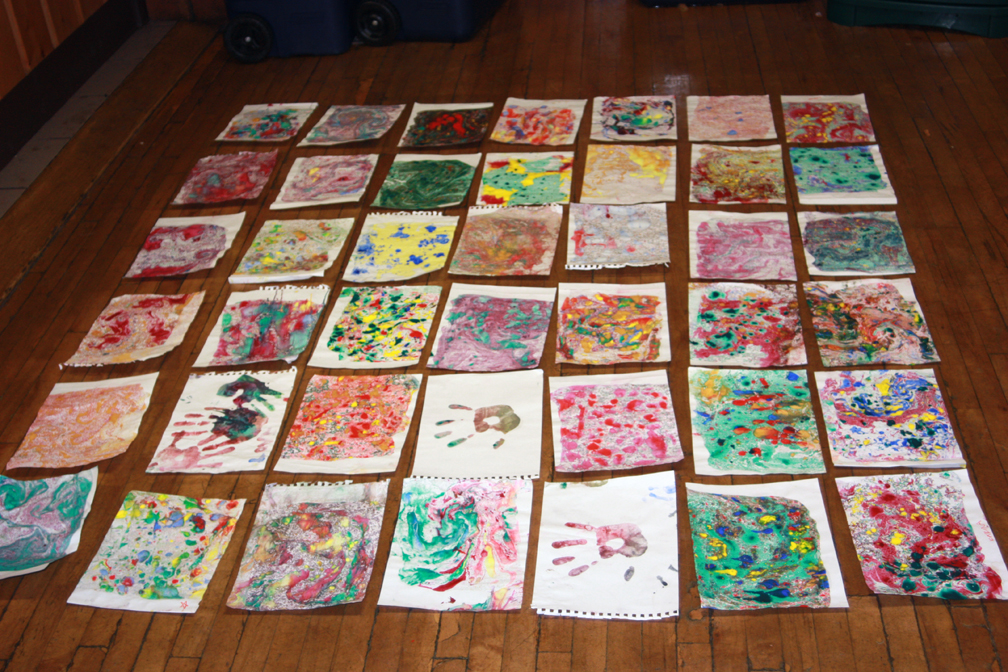
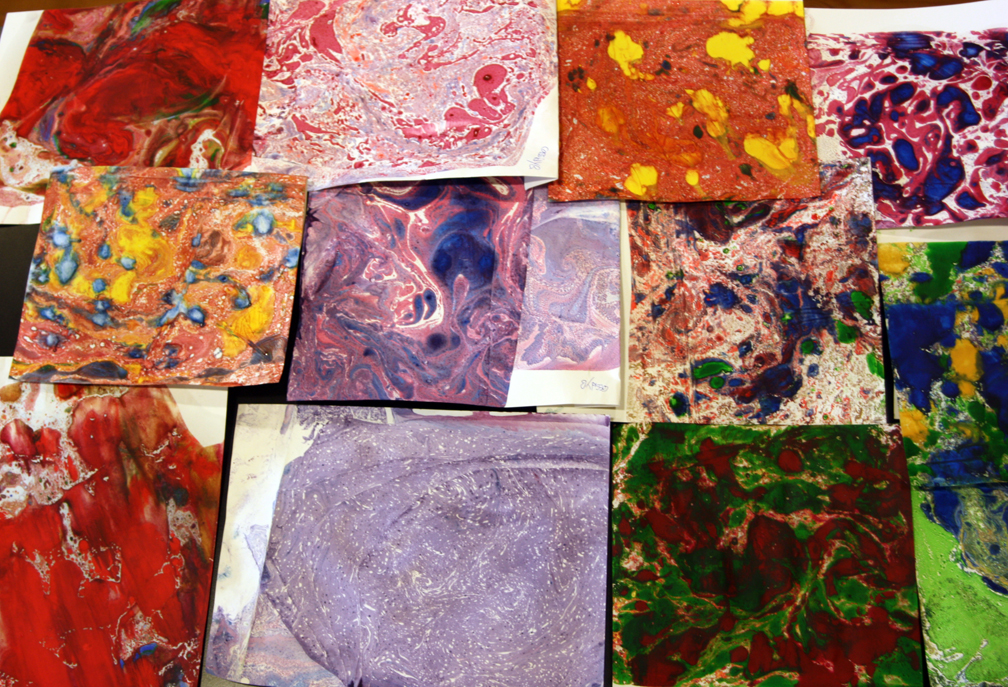
Examples of marbled paper made with dilute oil paints floated on water.

Examples of marbled paper made with dilute oil paints floated on water.

As part of the STEM-Arts Alliance project I’ve undertaken at Walden School of Liberal Arts, I have been trying out different ways to integrate art and history into STEM subjects, such as teaching about the history of chemistry and the science behind the fine arts.

Making marbled paper

Making marbled paper

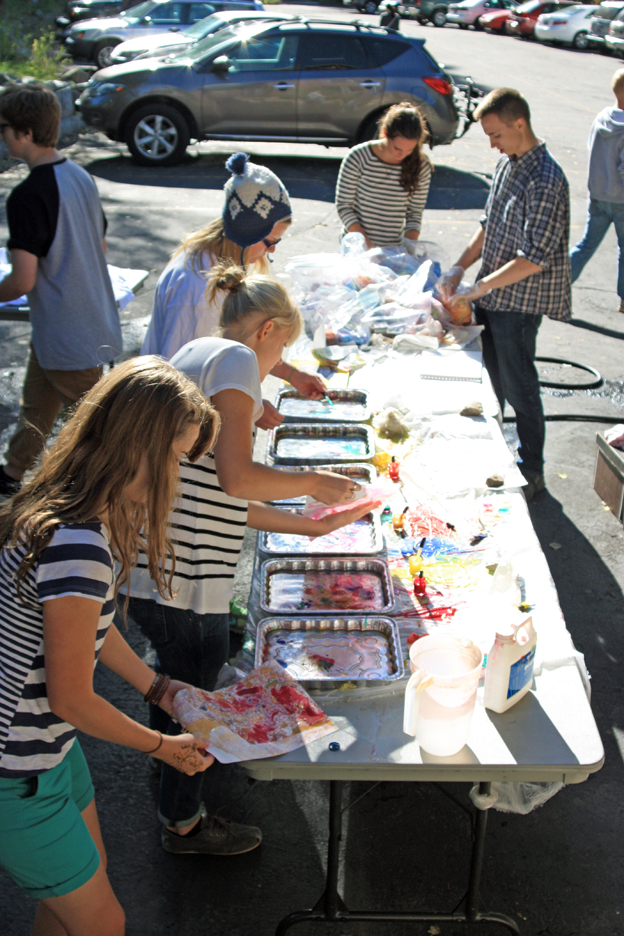
I was sent a lesson activity from Flinn Scientific a year ago on how to make marbled paper, the fancy designed paper you see on the end pages of nicely bound books. The activity seemed fun and easy to do, so I saved it. Now, as part of our project, I’ve dusted it off and tried it out twice in this school year. The first time was at Timp Lodge as a second activity to do while making tie-dye shirts (see my last post). The second time was part of a Science and Art class I did for our Intersession period, which is a two-week specialty course we do between third and fourth terms in March.

Laying paper onto the oil paint layer.

Laying paper onto the oil paint layer.

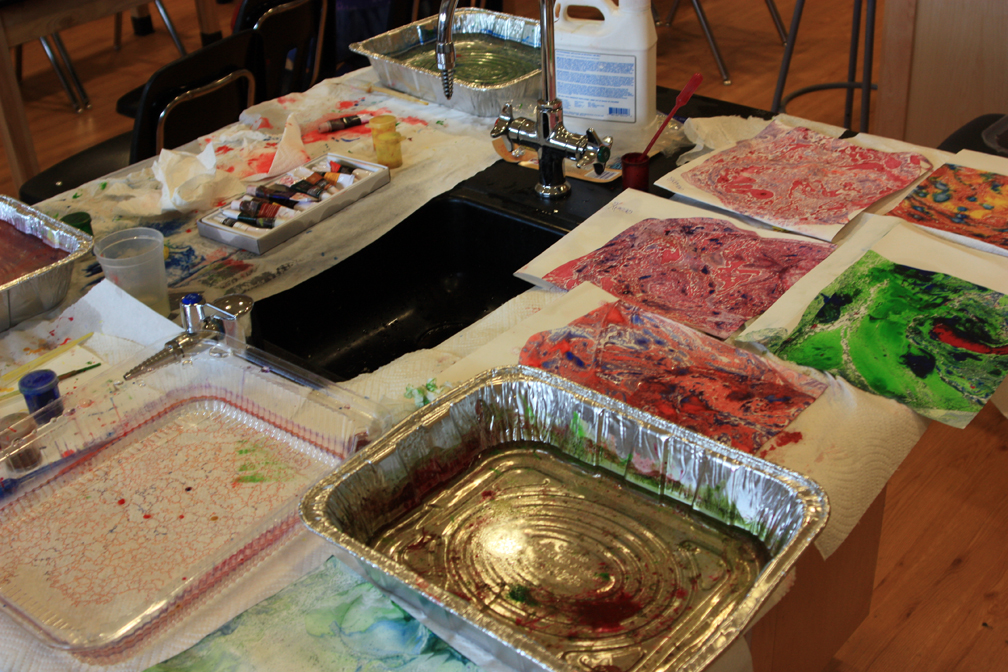
To do this, you need to buy some disposable trays such as aluminum foil pans or plastic containers. They should be a little larger than the intended size of your paper. You will also need to buy a pad of sketching paper (it needs to be nicer and thicker than copy paper). For colors, you will need to buy a set of cheap oil paints (not acrylic) in various colors, and a large container of mineral spirits to dilute the oil paints. Finally, you will need some small plastic phials or dropper bottles to store the paints in, paper towels, and some disposable eyedroppers.

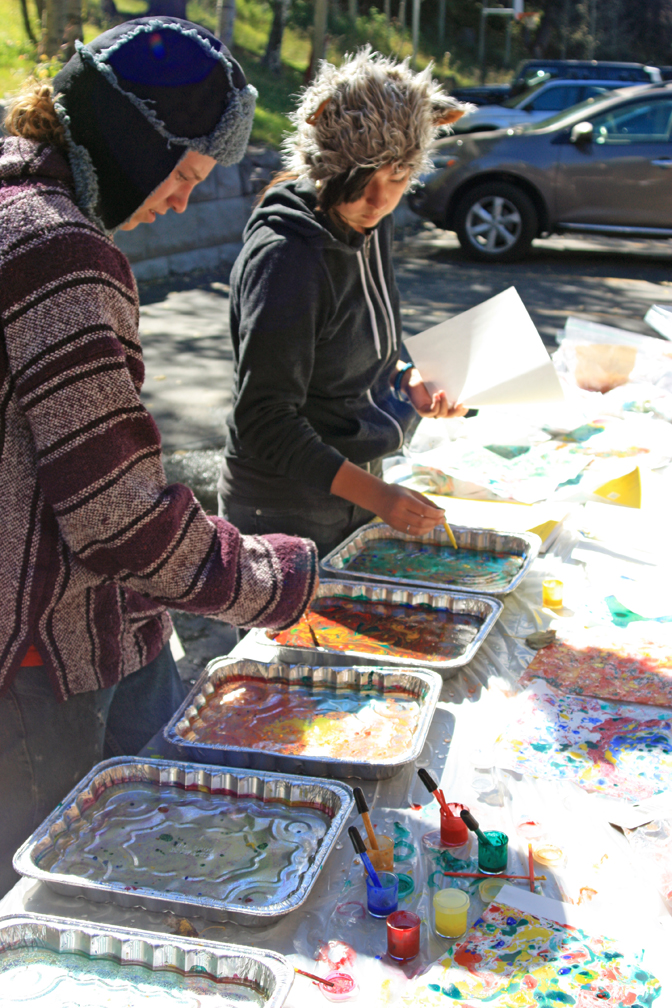
Walden students making marbled paper at Timp Lodge

Walden students making marbled paper at Timp Lodge

To do the paper, pour about an inch or two of water into the foil pans. Take the oil paints and squeeze out enough paint to fill the phial ¼ full, then add mineral spirits to make it ¾ full. Put on the lid and shake thoroughly. Make sure the paint is completely mixed. Take various paints and drop them onto the water; the oil-based paints are immiscible with the water and will spread out on a layer on top of the water. You can swirl the colors around or not to your taste. Keep adding different colors until you get a nice effect. Then take a piece of the sketching paper and fold it along one edge to make a handle and carefully lay the paper down on the oil layer, making sure not to submerge the paper into the water as you roll it across the top. The oil layer should transfer to the paper. Carefully lift the paper straight up and quickly place it face up on paper towels to dry. Once dry, you can photograph them in good light or scan them into a computer.

Set up to make marbled paper during my Intersession Science and Art class.
Set up to make marbled paper during my Intersession Science and Art class.
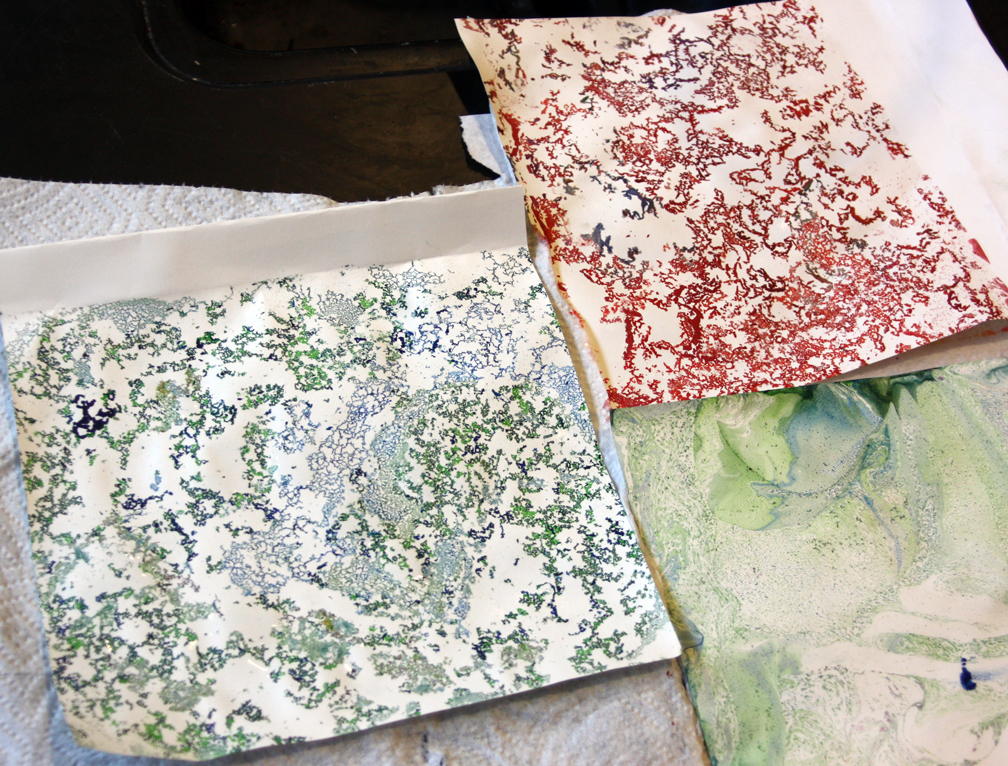
Natural fractal patterns created when the oil/mineral spirits separated from the water layer.
Natural fractal patterns created when the oil/mineral spirits separated from the water layer.

This project worked well at Timp Lodge and we made some good examples, although it is very messy. Students should wear aprons and gloves to do this. When we did this activity during Intersession class, we tried using the same paints several times as I had lots of paper left; you can lift out several prints from the same drops, each one getting lighter. At the end of class, a small amount of paint was still floating on top of the water. It had been sitting still for several minutes as the water stopped circulating. The paint separated into strange filamental structures that had formed into fractal patterns. So I lifted a few more prints, as seen here. Now I can scan them and use them for various multimedia projects and for examples of fractals in math classes. I didn’t anticipate that this activity had a math tie in, but there it is!

Marbled paper made during the Intersession class.

Marbled paper made during the Intersession class.

I still have enough paints and paper left to do this activity one more time, perhaps at the elementary school or at our back-to-school Science Showcase night, which will be on April 24. I think the elementary students will enjoy this very much, as did my high school students. I would recommend this as a science and art project for grades 2-12. You can talk about immiscibility, how oils and water don’t mix, and even demonstrate how detergents work. You can also let it sit and teach about fractal math patterns in nature.

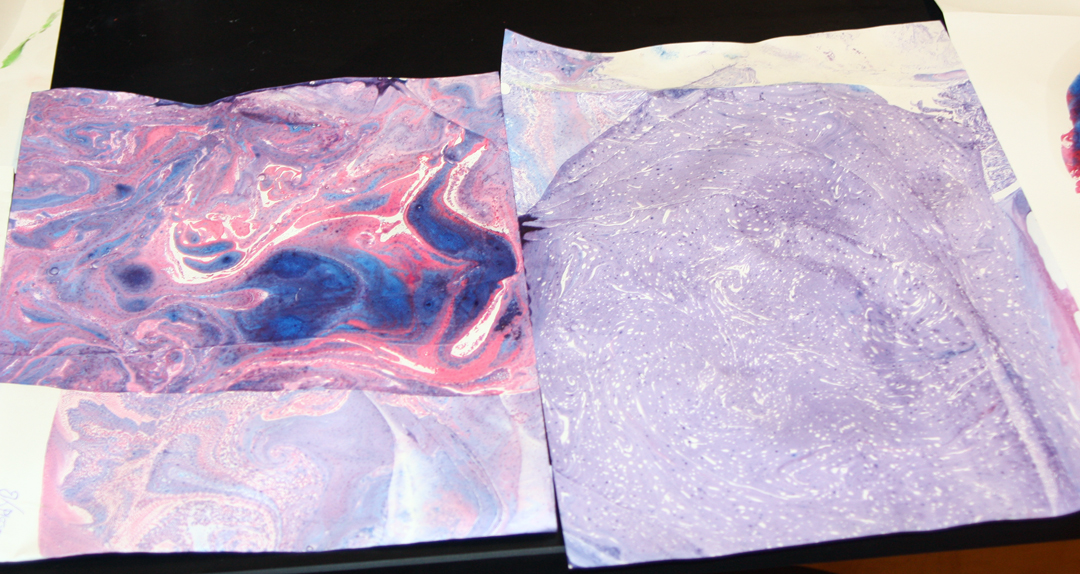
Purple marble patterns, lifted from the same paint layer.

Purple marble patterns, lifted from the same paint layer.

Read Full Post »

With the beginning of the 2013-14 school year, I’m pleased to announce the start of a new program in my classes at Walden School of Liberal Arts. I call it the STEM-Arts Alliance, and it’s an attempt to bring artistic expression and creativity into my STEM (science, technology, engineering, and math) courses.

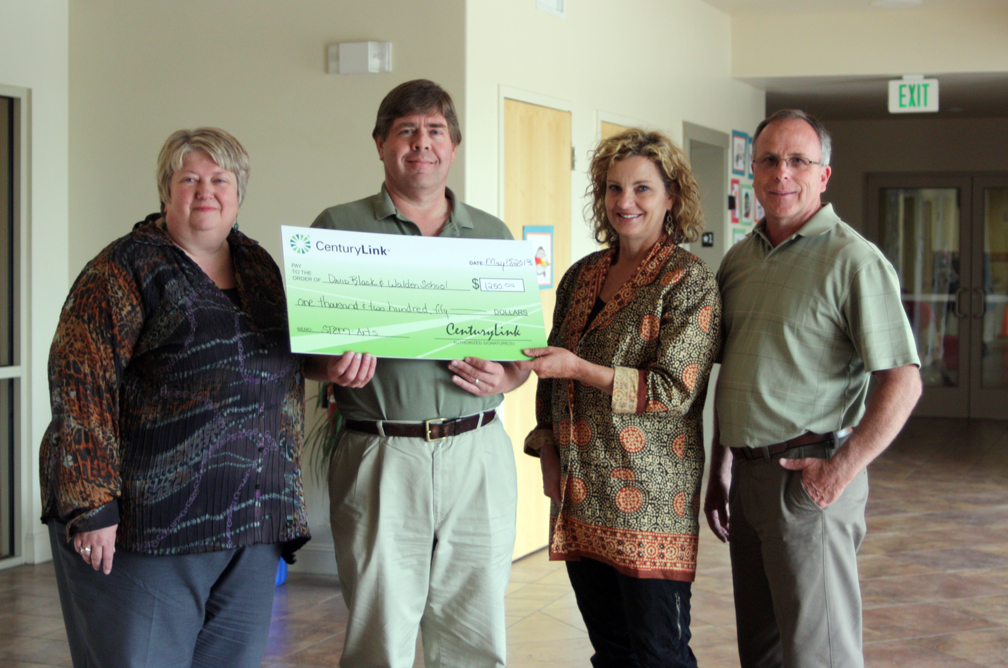
Receiving the award from CenturyLink Foundation.

Receiving the award from CenturyLink Foundation.

I have several reasons for doing this. First, I hope to broaden our students’ participation in upper-level science and technology courses. Given the size of our school, we could have more students taking courses such as chemistry, physics, astronomy, anatomy, and environmental science. We are a public charter school with a liberal arts emphasis, which means we get a high percentage of creative, passionate, out-of-the-box-thinking students. We need people like this to choose careers (or at least become more literate) in the sciences. My solution is to broaden the appeal of our science and technology courses by integrating the students’ strengths and interests. This is not to say I’m making my courses any less academic; it just means we’re using the arts as a continuing theme, by looking at the art of science, the science of art, and the history of both.

Second, I happen to love drawing and painting and rarely have time to do it. My artistic passion is somewhat satisfied by 3D animation and video production projects, but there’s just something about holding a paintbrush or an ink pen and seeing a project emerge from paper. I’ve been pulled in four different directions all my life; I seem to keep swinging between science, media design, history, and fine art. So I’m creating lesson plans and projects that incorporate all four of these areas, projects that are based around my own passions.

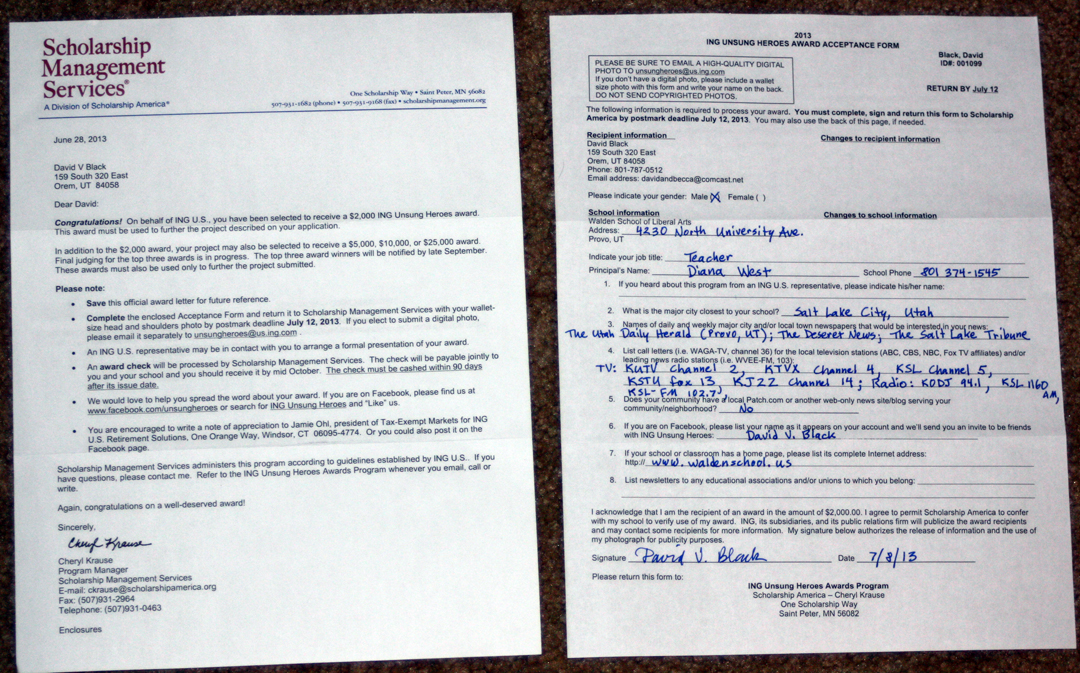
Award letter for the ING Unsung Heroes Award. It's always a good day when you receive one of these!

Award letter for the ING Unsung Heroes Award. It’s always a good day when you receive one of these!

Third, I hope to enhance the stories of science we’re telling by bringing my students’ artistic skills to bear on science topics. When I did some line drawings of Greek matter theorists (such as Thales, Parmenides, etc.) I found that they were frequently downloaded. Apparently, people are tired of finding only the few standard photos showing busts of Aristotle and his colleagues in some museum. Why not put myself (and my students) to work, creating new images in the cause of science education and fine art? I soon hope to complete the Greek Matter Theories videos I began four years ago, and I need more materials and images. Now I can do two things at once. I can draw illustrations of Aristotle or Democritus for the Greek videos while simultaneously teaching the chemistry of ink or paint pigments.

Fourth, our school is building up to become an International Baccalaureate (IB) school with a Middle Years Programme starting this year and growing to encompass 7-10 grades, with an additional Diploma Programme in our upper grades. The chemistry and technology courses are very much based on design projects and inquiry experiments while maintaining high academic standards. This is very much the model I have been working toward anyway, and my STEM-Arts Alliance should help my students transition into the IB chemistry and technology classes.

But to successfully implement my ideas, I needed funds and so I’ve been applying to every grant I can find. During this spring, I applied for five different programs, grants, or competitions, with three being due within two days of each other. True, it was made easier because all my proposals were similar, hoping that some would succeed. And they did! Two grants have come in. The first was $1250 from the CenturyLink Foundation. I received one of those large fake checks in May. I began purchasing equipment and supplies during the summer, including a GoPro camera, an audio recorder, a green screen, and a digitizing Bamboo tablet. These technologies will add to our ability to record video and audio, create digital images, and document what we’re doing in chemistry and astronomy in our two blog sites. We also purchased a new LEGO Mindstorms EV3 kit so we could start an afterschool robotics club. Here is a link to the CenturyLink Award: http://www.centurylink.com/static/Pages/AboutUs/Community/Foundation/teachers.html.

Receiving the award from Steve Platt of ING Foundation.

Receiving the award from Steve Platt of ING Foundation.

My second success was $2000 for the ING Unsung Heroes Award. They provide two such awards per state, and I thought I had a pretty good chance of winning one. I’ve purchased a new color laser printer (so much better than using the ink jet) as well as chemicals and supplies for the various lessons and projects we’ll be doing this year. I received a second large fake check from Steve Platt of ING this fall, as well as a nice plaque. I am still purchasing materials through this grant. Here is a link to the awards page in case you want to apply yourself: http://ing.us/about-ing/responsibility/childrens-education/ing-unsung-heroes.

So far my students have worked on a number of different projects in several different classes and at Timp Lodge. They’ve accomplished the following:
1. We set up a summer media design class that culminated in organizing the video clips and recording green screen narration for the SOFIA video I’m putting together.
2. We made tie-dye shirts at Timp Lodge.
3. We made marbled paper using dilute oil paints floated on water (also at Timp Lodge). 4. Students edited the SOFIA videos and built 3D objects from SOFIA’s interior in the middle school Creative Computing classes.
5. Students created iron-gall ink in chemistry and used it to draw pen and ink illustrations of science history concepts.
6. We started the robotics club after school, and students have built a rover capable of picking up small objects and moving them to new locations.
7. Students turned periodic properties of the elements into 3D models.
8. They built paper Christmas tree ornaments representing chemical elements.
9. Students created homemade watercolor pigments and used them to make paintings of science history.
10. They wrote and narrated podcast scripts on astrobiology topics.

I’ll report in more detail on each of these in future posts. It seems that we’re still just getting started, but in reality we’ve been very busy and very successful already. All projects have a fine arts component, a technology component (all paintings are scanned and cleaned up in Photoshop), and a history component. We are literally creating modern versions of old formulas used in making art for thousands of years. And it feels great to have all my passions pulling in the same direction.

Most of these activities have been in chemistry class. I am starting there as an initial run through, testing the recipes I’ve found online so that I can perfect the processes for future classes. The chemistry students have done exceptionally, and they’ve proven to have excellent art skills on top of learning chemistry and experimenting with different formulas. I hope to set up a dedicated Science and Art class during our Intersession that will incorporate all these activities and hopefully more besides. I’ve written another grant to the Moss Foundation just to get an electric kiln to do Raku pottery. So far I haven’t received word, but should soon. I might do a second class for making junk sculpture out of found objects. It will be a combination of materials science, design, and engineering.

I’m having a lot of fun researching and designing these projects, and I hope you’ll have fun reading about them and trying them out yourselves.

Read Full Post »

My summer this year was mostly taken up with astronomy related activities. I flew on SOFIA (see my other blog: spacedoutclass.com) and took an astrobiology workshop at the Great Salt Lake to study extremophiles in June, then spent most of July writing up my experiences and archiving the SOFIA video clips. But during the first week in August, I did return to chemistry and the elements as I participated in a materials science workshop offered by ASM, the materials science association of America (yes, I know, the acronym doesn’t fit. It used to be the American Society of Metallurgists, but has grown to include all material sciences, so now it’s just ASM International). I had heard of these workshops before, and this is the first time they’ve been offered in Utah. When the announcement went out from the Utah State Office of Education, I signed up immediately.

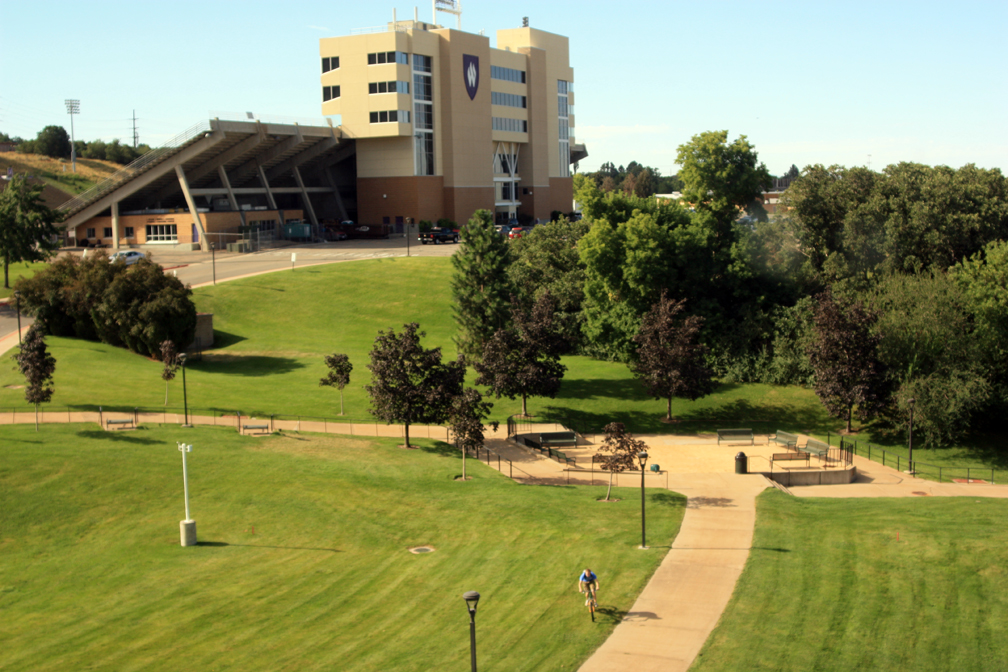
Weber State University campus seen from the science building

Weber State University campus seen from the science building

The workshop was held at Weber State University in Ogden. I couldn’t attend the one at BYU because I was in Palmdale flying on SOFIA that week. Even though it was a bit of a drive to go up to Ogden for five days, I did manage to carpool the last three days with two other teachers from Utah Valley, and we had some good conversations while driving up and back. We met at the Park and Ride at Thanksgiving Point each morning. One was a middle school science teacher in Alpine, the other a Technology teacher at the Nebo Learning Center in Springville. Other teachers in the workshop ranged from chemistry teachers (and a WSU chemistry professor) to industrial arts teachers doing Project Lead the Way. Getting to know the other teachers is always a highlight of attending these workshops.

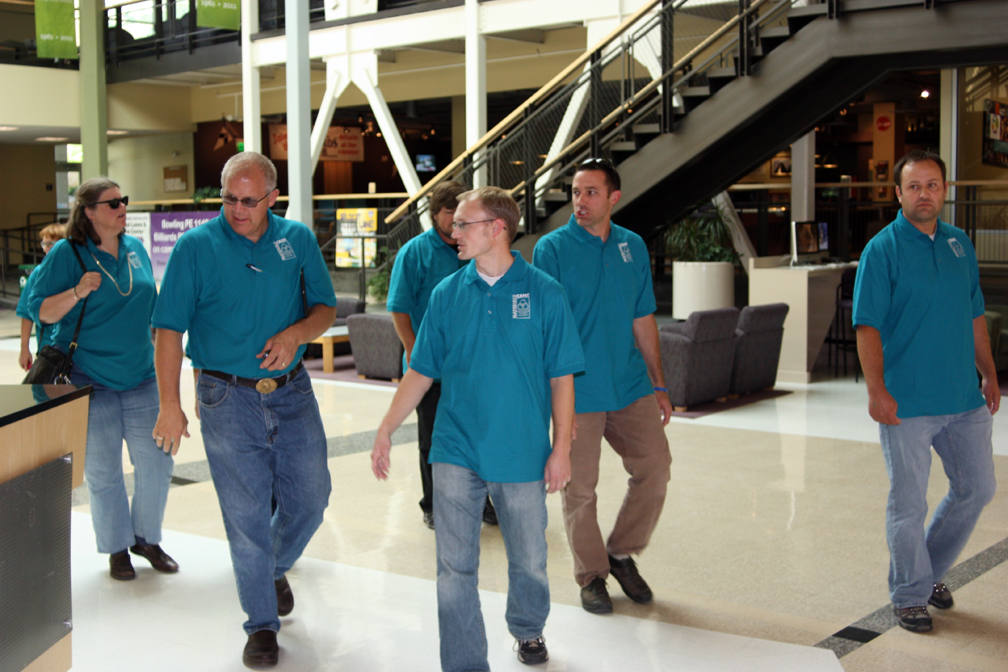
Teachers in the ASM Materials Science workshop at WSU

Teachers in the ASM Materials Science workshop at WSU

The course was taught by Becky Heckman, who teaches materials science courses at an International Baccalaureate school in Princeton, Ohio outside Cincinnati; and by David McGibney, a teacher from Sammimish, Washington. He was also a finalist in the original Teacher in Space program. A third teacher, Chris Miedema, from Ottawa, Canada also helped out as an ASM trainee teacher. All three have been through these workshops before and have received additional training to present them, traveling to several locations each summer for a week at a time.

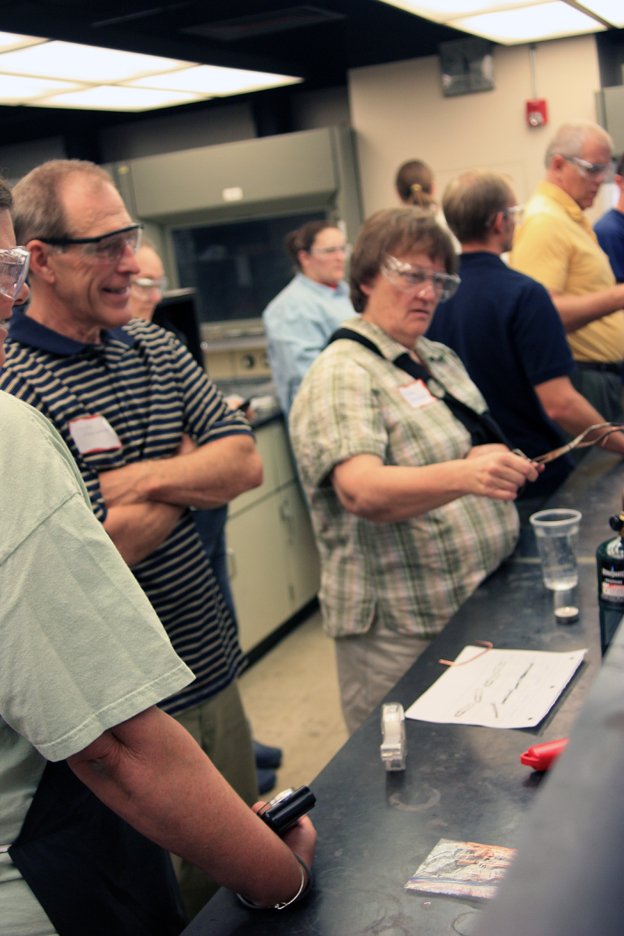
Weber State University chemistry lab, with Dr. Donaldson and his wife.

Weber State University chemistry lab, with Dr. Donaldson and his wife.

The course was divided up into sections by the types of materials, with an overview on Monday. We looked at the properties of metals, ceramics, glass, composites, and polymers and alternated our time between in-class discussions and demonstrations and lab activities. We were in the current WSU science building (a new one is being built) and used the chemistry lab upstairs. Some of the labs I’ve done before, such as the activity series of the elements, but we did them in new ways or from different perspectives. Most of the labs will be directly useful in my chemistry class this year. A few use equipment that will require some grants to get, such as a small kiln for raku pottery that runs about $800. They provided some starter materials, such as a bag of sodium polyacrylate and some metal electrode kits, that were given by various chemical companies.

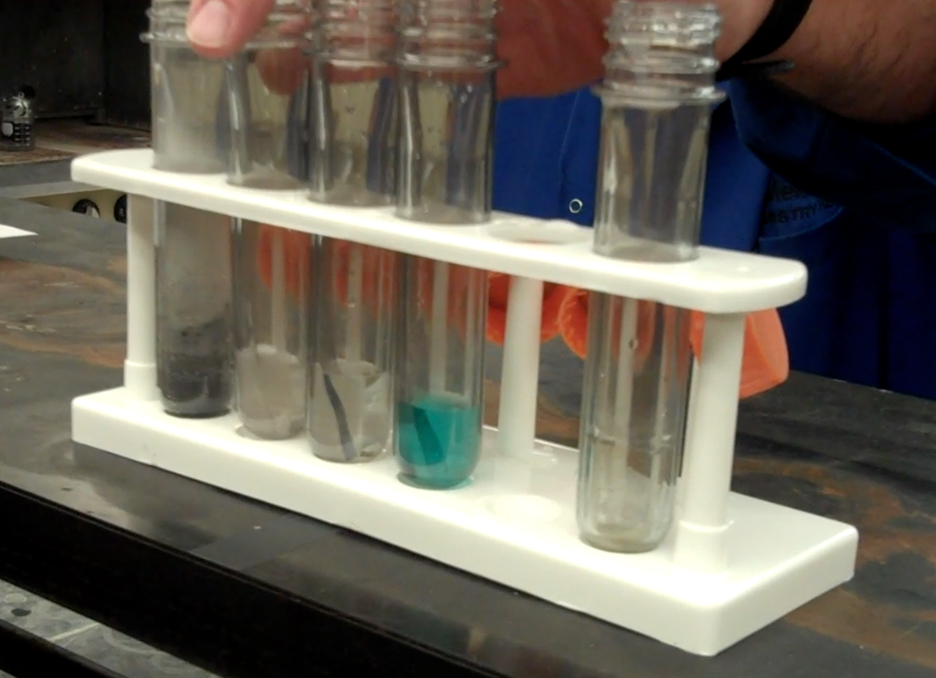
Testing the Reactivity of Metals in Copper Sulfate Solution.

Testing the Reactivity of Metals in Copper Sulfate Solution.

Workshop Highlights:

Activity Series with Copper: We used plastic bottle performs instead of test tubes to test various metals in a solution of copper sulfate, then observed the differences in reactivity. This is a variation of the Activity Series of Metals lab, but is presented as an excellent inquiry/discovery lab. I’ll use this during my second semester as we talk about reactivity and reaction types, leading into my lab on copper compounds.

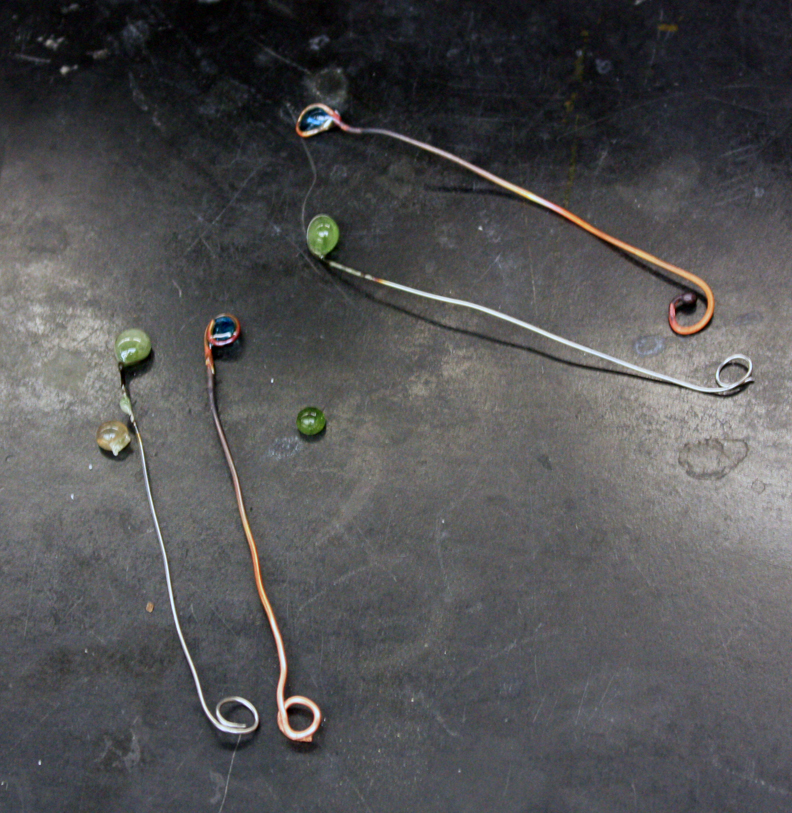
Borax glass beads. The green beads are on nichrome wire, the blue beads on copper wire.

Borax glass beads. The green beads are on nichrome wire, the blue beads on copper wire.

Borax Glass Beads: We had two types of wire, nichrome and copper, bent into small loops. We heated up the loops in a torch flame, then dipped them into a cup with borax powder, then heated it again, until a bead of vitrified borax formed in the loop. The nichrome bead was green, the copper wire bead was blue. It took some practice not to get too much borax on the loop, so that it didn’t drip into the torch burner.

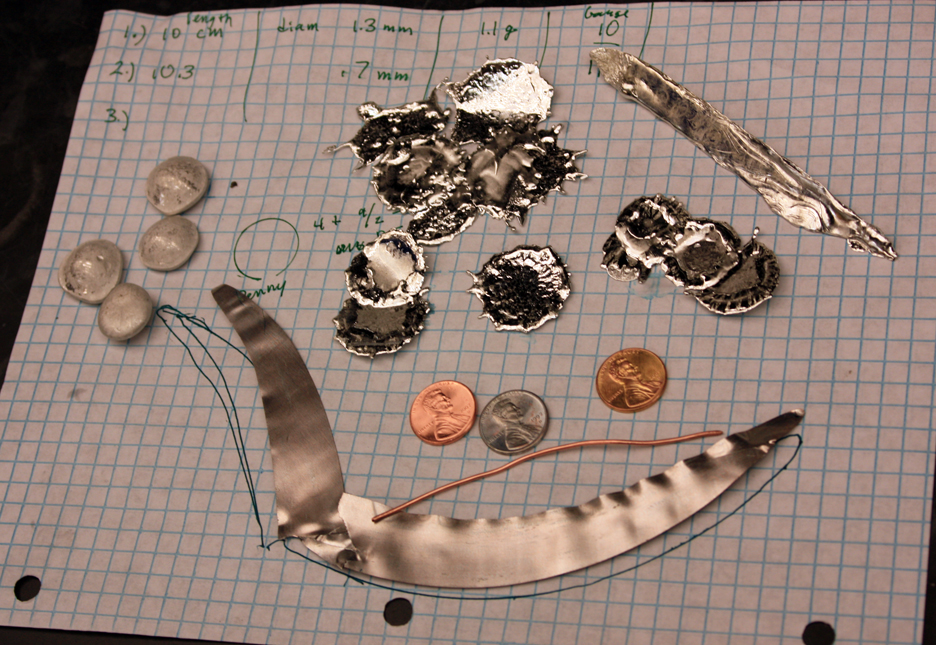
Metal Activities. From Bottom clockwise: A penny squished through a stretching machine, tin and bismuth alloy buttons, tin splotches and shreaking tin, pennies turned to "silver" and "gold."

Metal Activities. From Bottom clockwise: A penny squished through a stretching machine, tin and bismuth alloy buttons, tin splotches and shreaking tin, pennies turned to “silver” and “gold.”

The Alchemist’s Dream: We did a variation on the old “turning copper into gold” lab that didn’t require pre-1982 pennies (which were made of pure copper). This one uses a solution of zinc powder and sodium hydroxide, just like the other version, but deposits the zinc onto the copper using electroplating. A zinc electrode is in the solution is attached to the positive lead, and the penny is placed inside a plastic spoon with holes in it and touched with a copper wire attached to the negative lead. The zinc appears instantly. It is less dangerous than heating up the zinc-lye solution, and the zinc layer is more even, producing a better-looking golden penny when heated up on a hot plate. I’ve already done this lab in my chemistry class this year with excellent results.

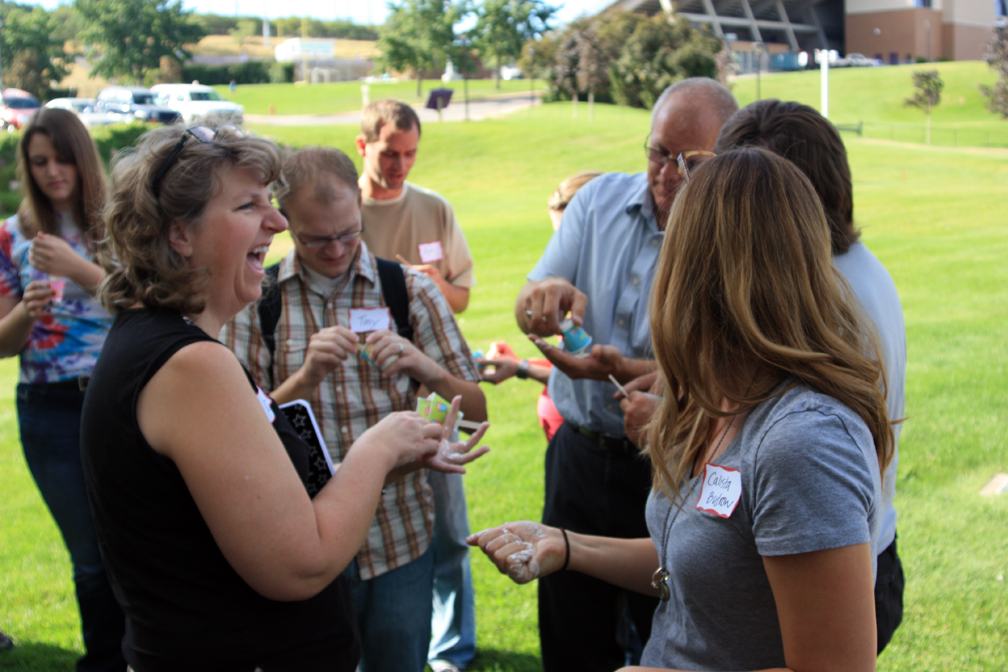
Playing with starch and water solution at the ASM camp.

Playing with starch and water solution at the ASM camp.

Thixatropic vs. Dilatant Solutions: We did the old cornstarch and water oobleck lab (outside, as this is very messy) but looked at it from the perspective of thixatropic (adding shear force or shaking makes the solution less viscous, such as shaking a catsup bottle) versus dilatant (pronounced “die-laa-tant”), where shear forces make the solution more rigid, such as the starch-water solution. These are both examples of non-Newtonian fluids.

Making sulfur allotropes. We did this outside because of the smell.

Making sulfur allotropes. We did this outside because of the smell.

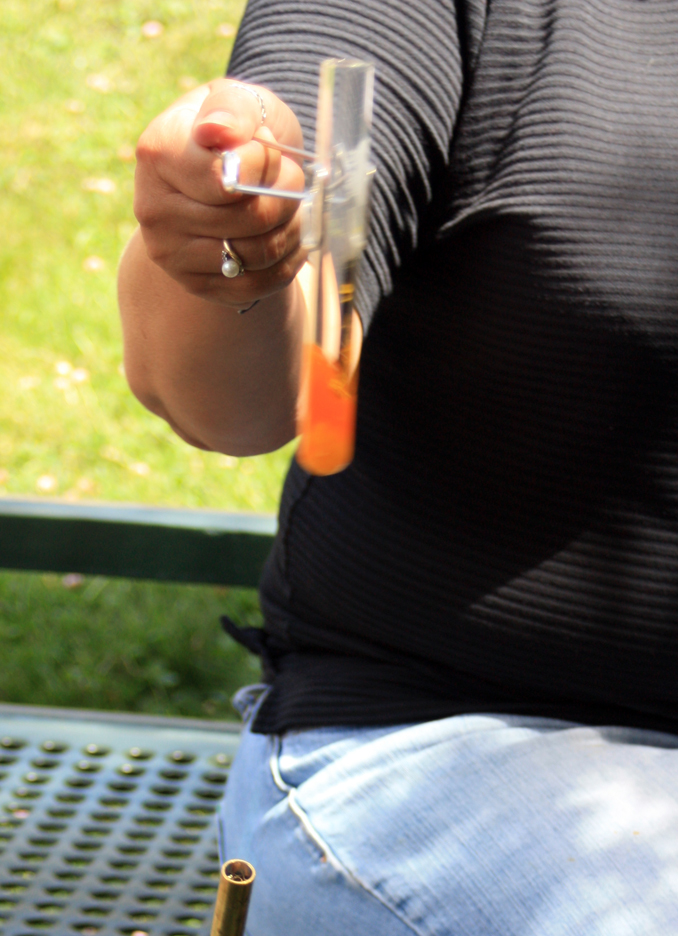
Sulfur Allotropes: Heating sulfur flowers until it turns orange, then carefully pouring into water produces a rubbery form of sulfur. Depending on the temperature and how quickly it is heated, sulfur has several allotropes. We also produced sulfur crystals.

Crystal Bead Boards: Taking a DVD case and filling with small plastic beads, then taping it together to make a single layer. These beads can be shaken to illustrate crystal lattices and imperfections, such as linear cleavage planes, vacancies, etc. Mixing two colors of beads or even two sizes of beads can show substitutional and interstitial alloy structures.

Sir Ken Robinson TED Talk: A very provocative and inspirational talk on the nature of learning and education that all teachers should watch (all students for that matter). Here’s the link: http://www.ted.com/talks/ken_robinson_says_schools_kill_creativity.html.

Annealing, Quenching, and Tempering: We heated bobby pins and paper clips (having different levels of carbon in the steel) and tested how easy it was to break them after they had been annealed, quenched, and tempered. Then we learned the differences in crystal structure. A good introductory discovery lab, with inquiry, that I had never seen before.

Tin splotches, made by dripping melted tin onto a steel plate.

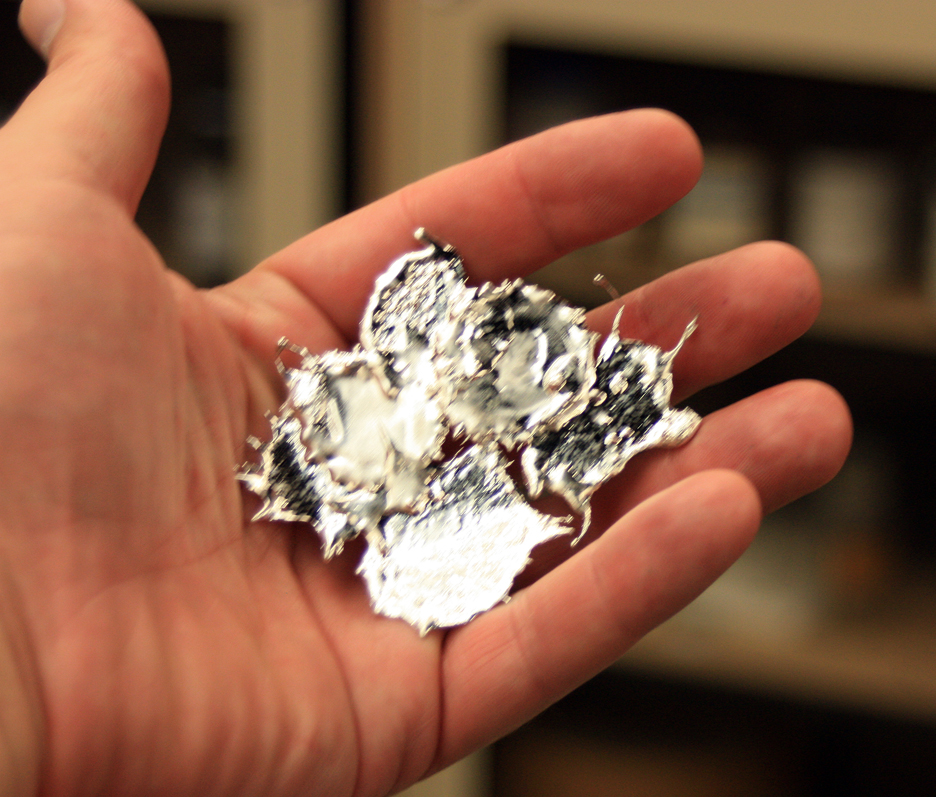
Tin splotches, made by dripping melted tin onto a steel plate.

Tin and Bismuth Alloys: We made a series of buttons of different percentages of tin and bismuth metals melted together. We then tested their melting points to see where the eulectic point (alloy with lowest melting point) was. This was at about 58% bismuth to tin.

Steel Wool in Vinegar: We placed steel wool in a small Erlenmeyer flask with vinegar and salt water, then placed a balloon over the mouth of the flask. We measured the temperature of the solution every ten minutes with a laser thermometer (I had never seen these before – pretty slick!) We were asked to predict what would happen with the balloon – would it inflate or deflate? We also did a corrosion lab with steel wool in water, salt water, hydrogen peroxide, and a combination and compared reaction rates.

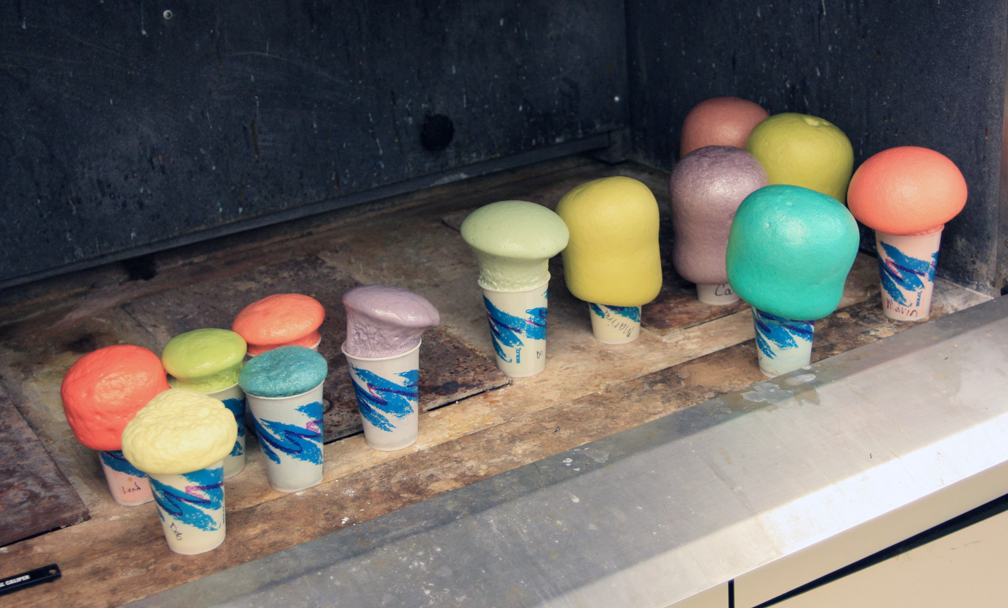
Polyurethane foam mushrooms colored with food coloring.

Polyurethane foam mushrooms colored with food coloring.

Thomas Thwaites video: A Welsh man received a grant to see if he could build a toaster from scratch, based on a quote from Mostly Harmless, the fifth book in the Hitchhikers series by Douglas Adams. Arthur Dent, who seems to have trouble hanging onto his towel, has landed on a primitive world where he assumes he will soon be in charge due to his advanced 20th century scientific knowledge. He soon discovers, however, that he doesn’t even have the skills necessary to build his own toaster. He can barely manage to make a passable sandwich. Thwaites decided to put the idea to the test; he took apart a toaster and catalogued the parts, then collected all the raw materials needed to build one himself. He had to melt the metal (which he got at an iron mine), create the plastic (he used potato starch, but snails ate it, and British Petroleum wouldn’t give him a jug of crude oil. He finally had to “mine” the plastic from a garbage dump), and he eventually got a crude toaster that lasted a few seconds before burning out. Here is the link to that video: http://www.ted.com/talks/thomas_thwaites_how_i_built_a_toaster_from_scratch.html.

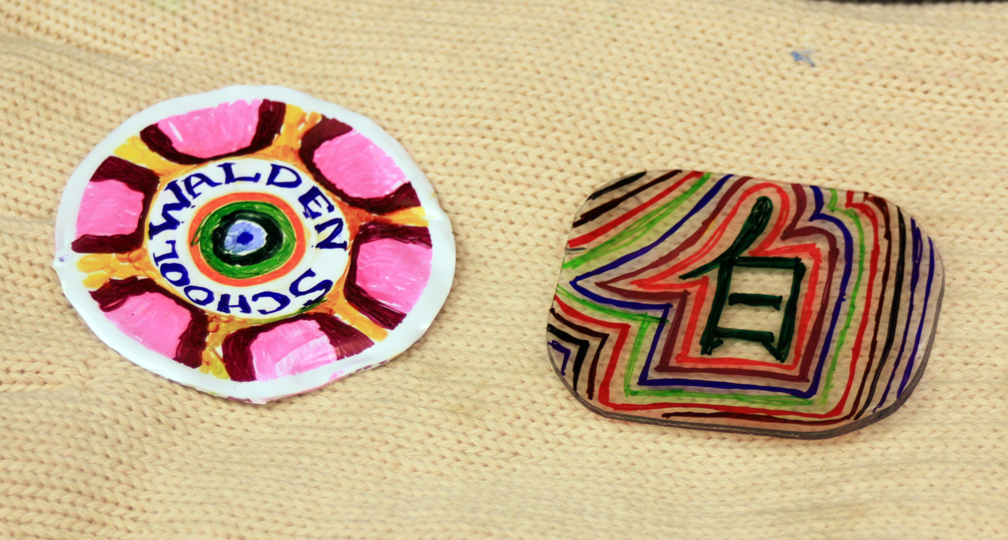
Plastics Labs: We made polyurethane foam plastic, both rigid and flexible. We also made large clothespins, shrinky dinks (plastic cups painted with Sharpie pens, then melted in a toaster oven), a latex ball (although mine looked like a brain more than a ball), and a homemade Styrofoam shape from a mold and polystyrene pellets.

Shrinky dinks. The disk on the left was a #6 recyclable plastic cup colored by Sharpie permanent markers, then heated in a toaster oven. It shrank down to its original size before plastic forming.

Shrinky dinks. The disk on the left was a #6 recyclable plastic cup colored by Sharpie permanent markers, then heated in a toaster oven. It shrank down to its original size before plastic forming.

Making Models of Composites: We created “diving boards” out of foamcore wrapped with tape, then tested their elasticity and Young’s Modulus. We also made “hockey pucks” from cement mixed with plastic Easter grass as a reinforcer, then dropped the pucks from different heights to compare reinforced vs. non-reinforced concrete. The reinforced cement held up to stresses and did not shatter as the non-reinforced cement did.

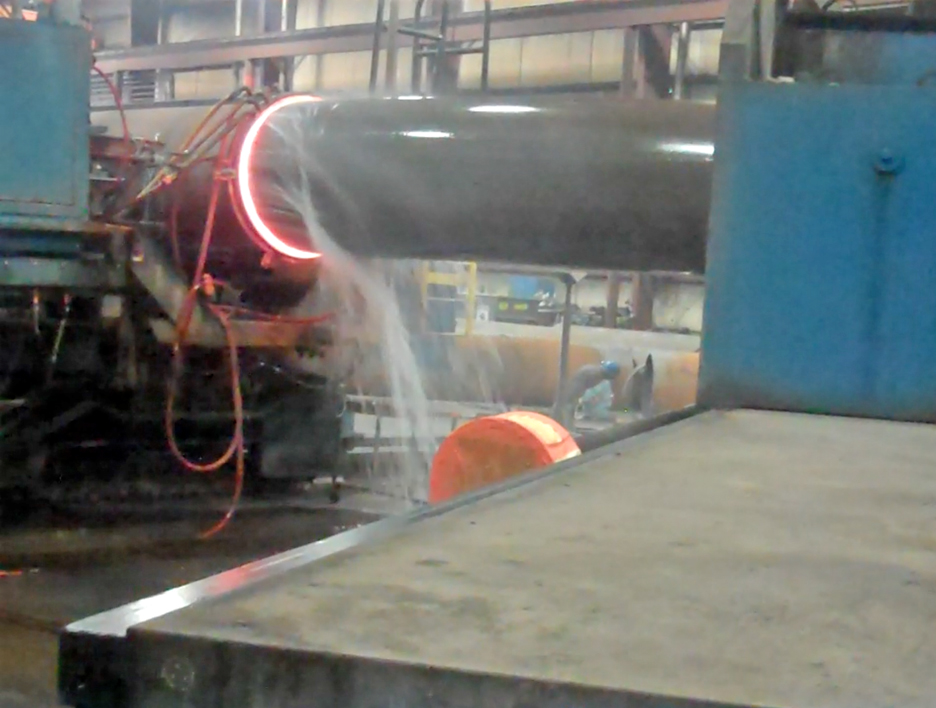
Bending a large pipe at the CBI plant. The glowing band is where the pipe is heated by electric current induction, then bent by the machine at right. Water is sprayed on the already bent portion to prevent over bending.

Bending a large pipe at the CBI plant. The glowing band is where the pipe is heated by electric current induction, then bent by the machine at right. Water is sprayed on the already bent portion to prevent over bending.

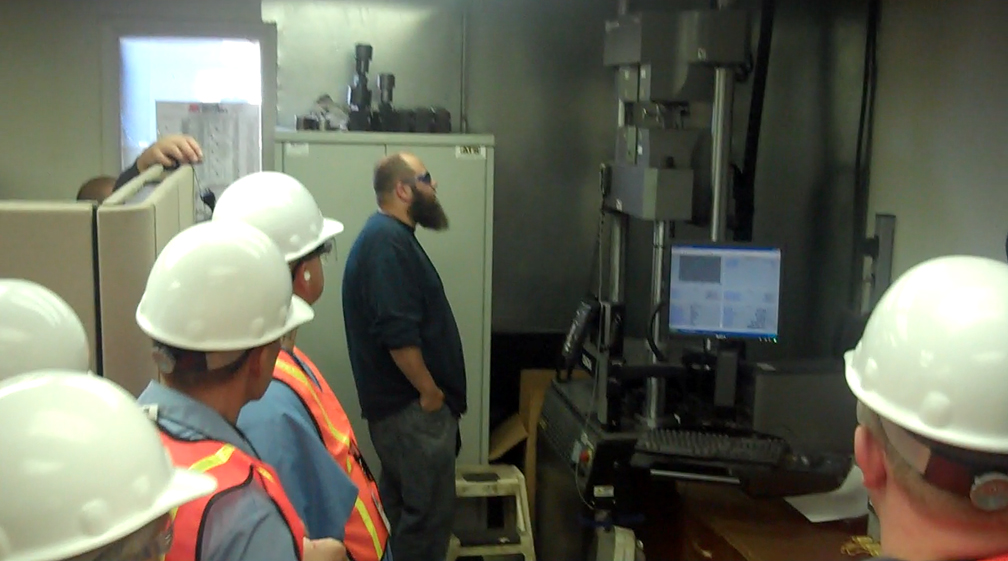
Tour of CBI Pipe Bending Plant: On Thursday, we carpooled over to a subsidiary of CBI Pipe and Supply in west Ogden that bends large pipes for oil or gas pipelines. The pipes are manufactured straight, but there are times when pipelines have to bend, so this company does the bends. The pipes are extruded and heated using electrical current at a very thin line as a large machine pulls the pipes around at a specific angle. Except for the thin band of heated pipe, the rest is cooled with a water jet. We were shown all through the plant, including how the pipes are tested for strength and shear stress in a lab, how they are annealed in an oven, and how they are painted. Some of the pipes we saw being bent were four feet in diameter.

Testing metal samples from the original pipes to determine strength, elasticity, etc.

Testing metal samples from the original pipes to determine strength, elasticity, etc.

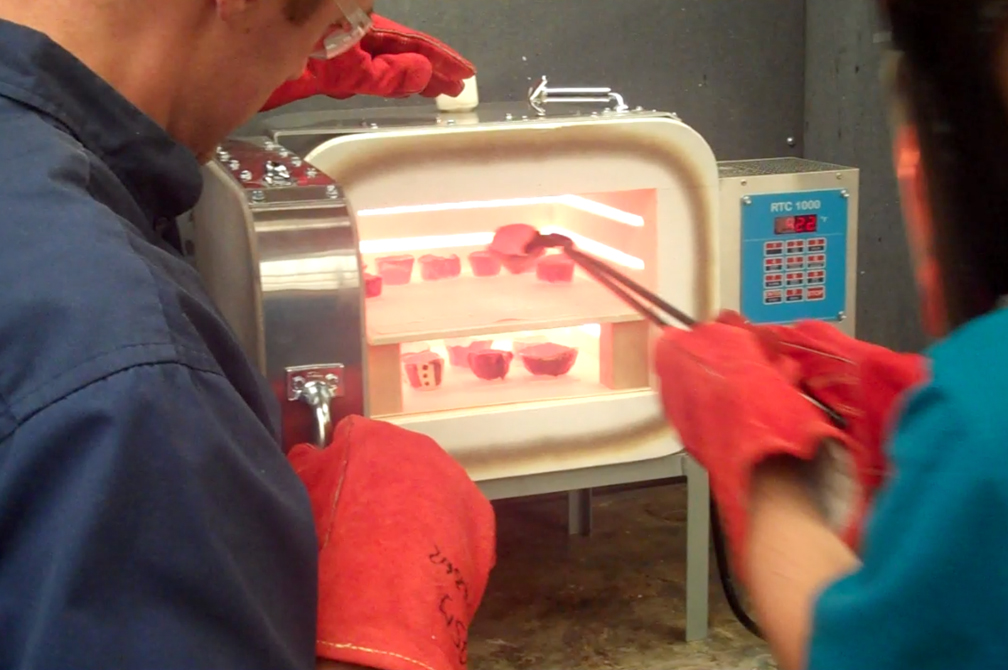
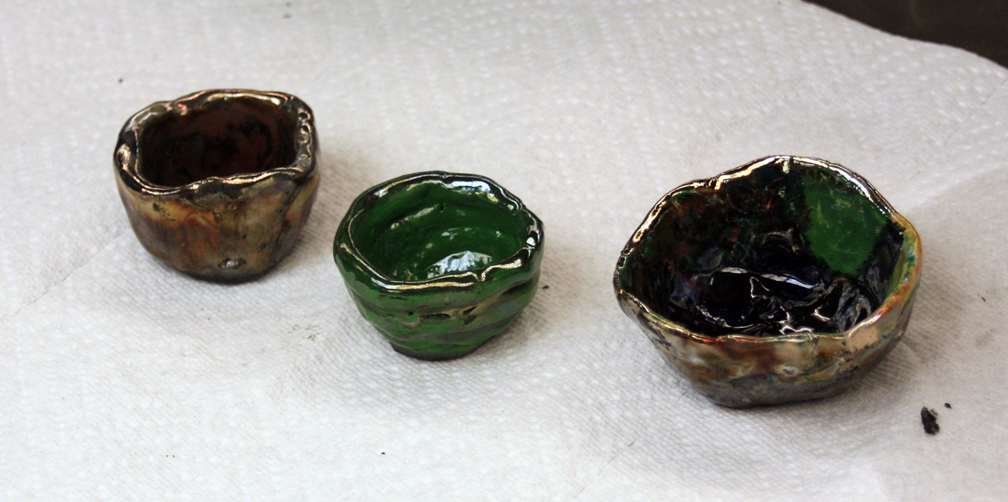
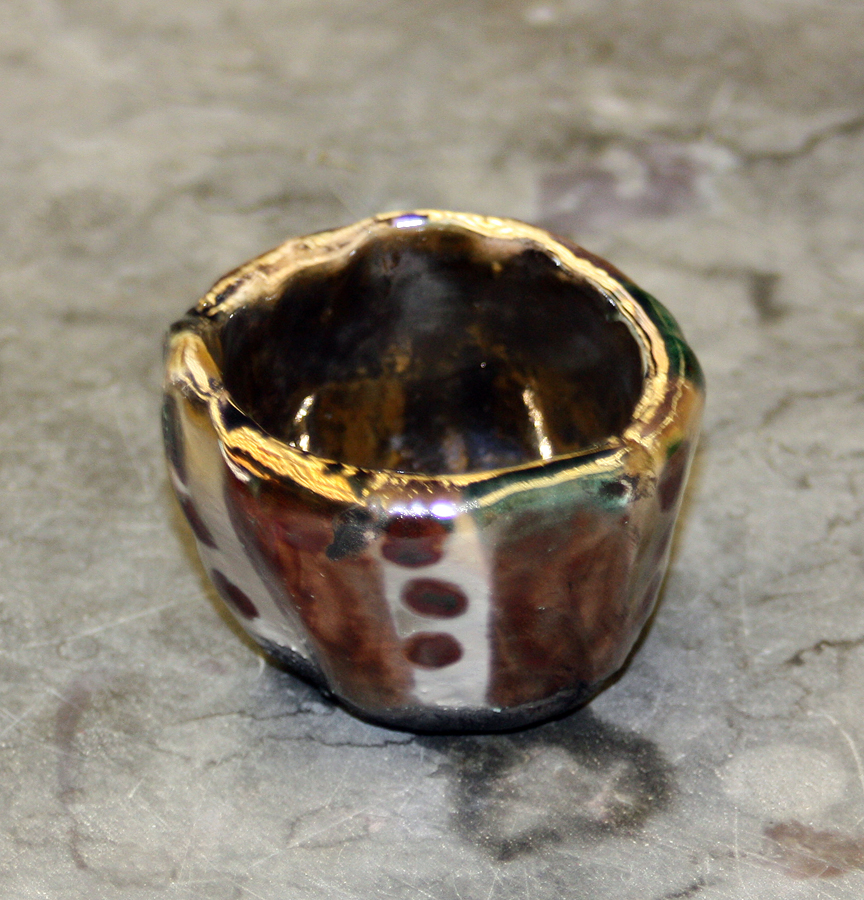
Raku Pottery: This was the most complex thing we did, but also the most interesting from a chemistry perspective. We used a special type of ceramic clay, with higher sand content than usual, to shape small pinch pots. A small 120 volt electric kiln was purchased for this workshop, and the pots were fired in it during the first two days. Then we put glazes made of metal oxides onto the bisque ware and fired it to 900°. On Friday, as our final activity, we took the pots out of the kiln while still hot and placed them into new paint cans filled with shredded newspaper. As the pots hit the paper, it burst into flames. The lid was then placed on the paint can to smother the flames. As the oxygen in the can is used up, the flames pull oxygen away from the metal oxide glaze, reducing it back to a metal. The pots come out with metallic shines. I experimented with various glazes and layering colors on top of each other. My best results were with red copper oxide, tin oxide, and silver oxide glazes. Chromium oxide stayed green and cobalt oxide stayed blue. Tin started pink but turned silvery. Copper went from pinkish to coppery metal, and silver from bluish green to silver-white.

Removing the glowing red Raku pots from the kiln.

Removing the glowing red Raku pots from the kiln.

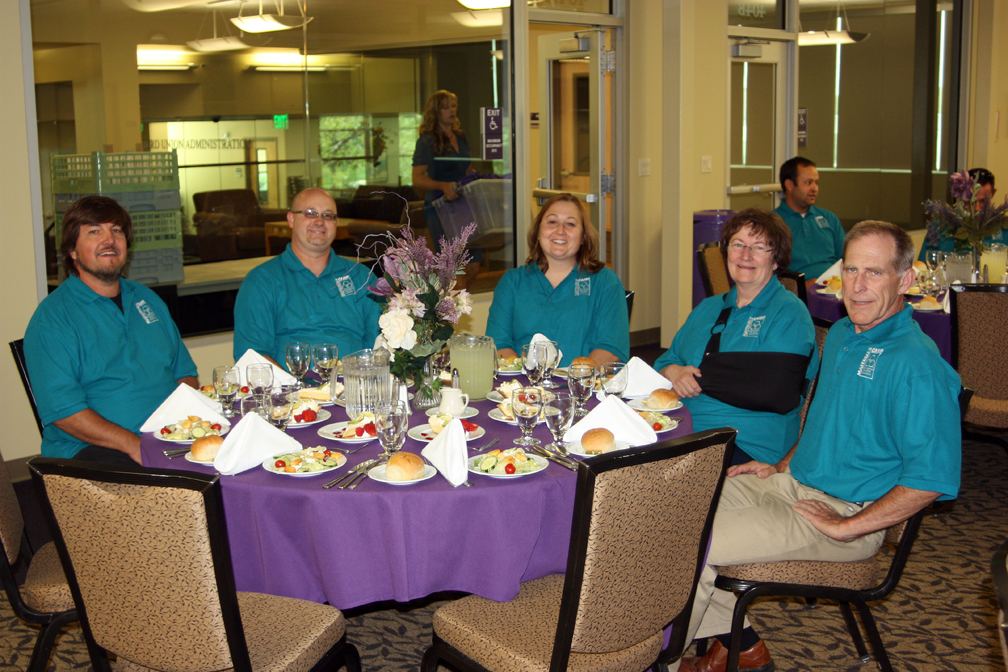
These were just a few of the things we did over five days. The workshop has already been extremely useful for me, and I plan to incorporate more of the ideas and activities into my other courses this coming semester. We received a large booklet with lesson plans as well as a DVD. Perhaps I will even propose a semester-long materials science course for next year at Walden School. We ended the workshop on Friday with a nice banquet at the student union building at WSU and were addressed by a colonel in the Air Force at Hill Air Force Base, one of the cosponsors of this workshop.

Some of the finished Raku pots. Mine is on the right. It's not as nice as others because I experimented with layering glaze colors.

Some of the finished Raku pots. Mine is on the right. It’s not as nice as others because I experimented with layering glaze colors.

Raku pot using copper oxide glaze, which reduced to a copper metal shine.

Raku pot using copper oxide glaze, which reduced to a copper metal shine.

Teachers at the ASM workshop banquet, Friday, August 9, 2013.

Teachers at the ASM workshop banquet, Friday, August 9, 2013.

Read Full Post »

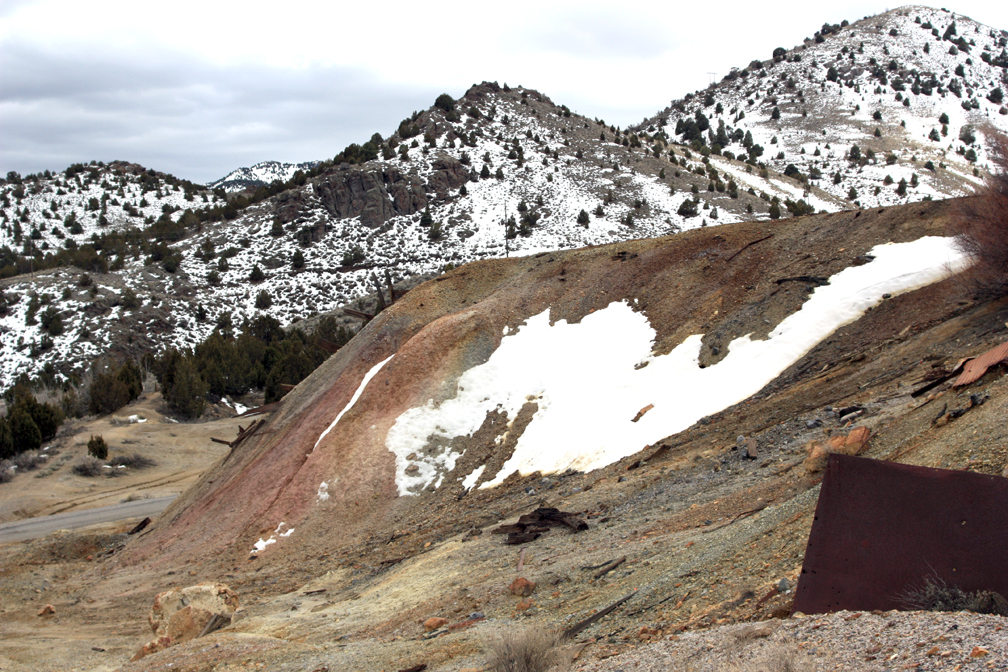
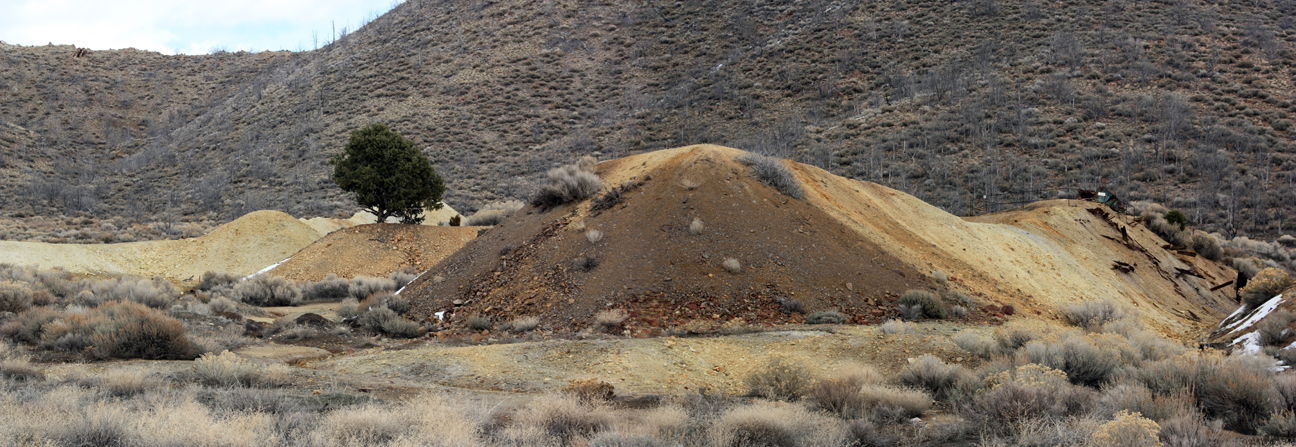
Main waste rock dump at the Tintic Standard Mine.

Main waste rock dump at the Tintic Standard Mine.

In this post, we will report results and draw conclusions for our study of soil contamination in the Tintic Mining District. This study was supported by a grant from the American Chemical Society.

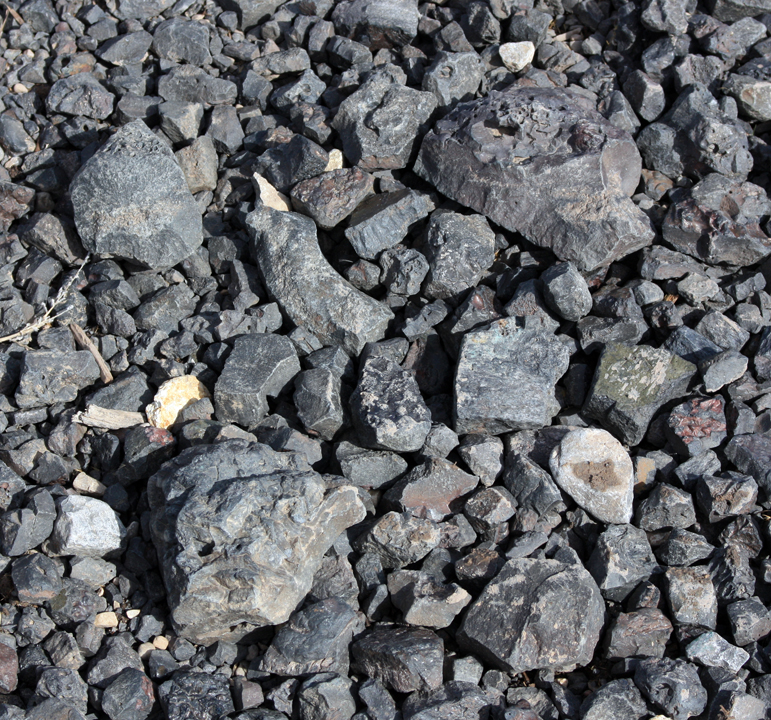
Students from Walden School of Liberal Arts brought back 42 samples of soils from the area in and around Eureka, Utah. Our purpose was to test for heavy metal contamination, especially lead. Previous tests done by the Utah Department of Health and the EPA showed lead contamination to be widespread throughout the town, due to the presence of historic concentration plants in the town and the use of mine waste rock as fill in many lots. Since there are mine dumps on the hillsides south of town, rain runoff also brought lead contamination into the residential areas.

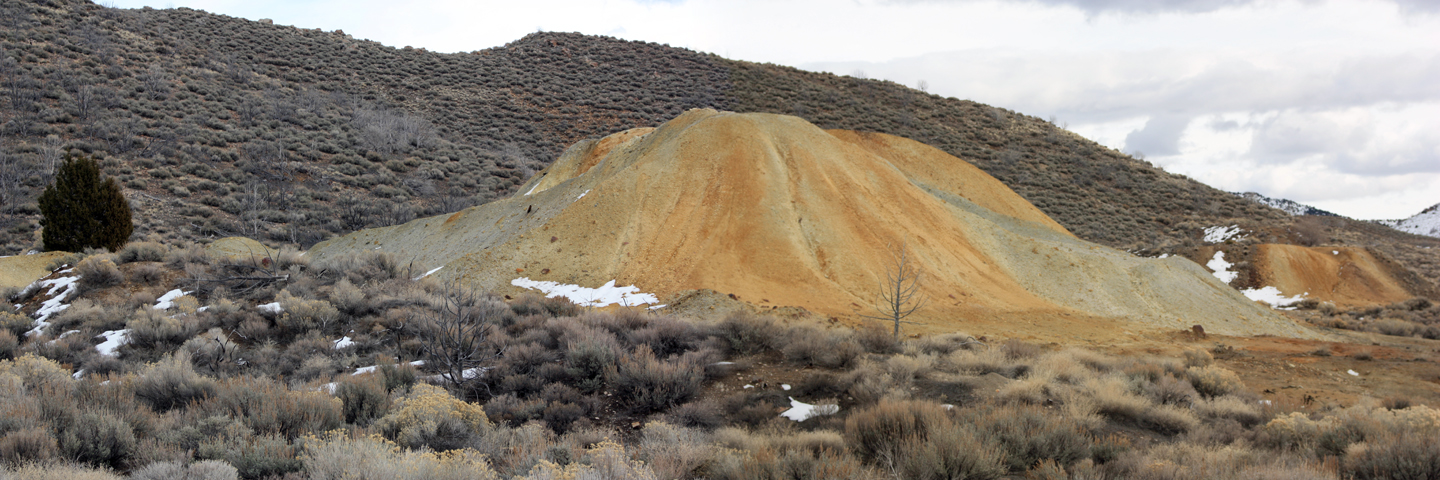
Western side of the Swansea Consolidated mine dump near SIlver City.

Western side of the Swansea Consolidated mine dump near SIlver City.

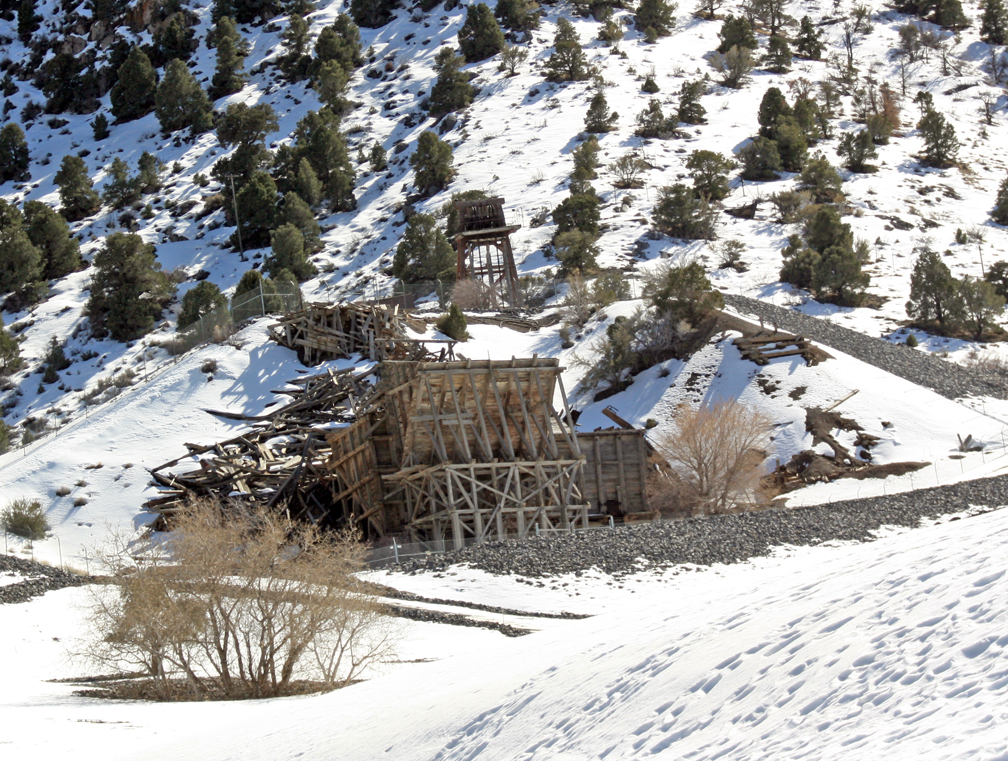
These tests led the EPA to declare the town a Superfund project and spend $26 million to replace soils in some areas of town (but not all). They also placed limestone riprap over the mine dumps to prevent further runoff. The process took ten years and completely changed the look of the town, damaging or destroying several historic landmarks along the way, such as the headframes for the Eureka Hill and Gemini mines. Two landmarks, the Bullion Beck headframe and the Shea building, were restored. The rest have been left in ruins.

Middle section of the Swansea Consolidated mine dump near Silver City.

Middle section of the Swansea Consolidated mine dump near Silver City.

All of the tests we conducted were put into numerical form and entered into a spreadsheet so that we could compare the results. We used an ALTA II reflectance spectrometer to measure reflected light at eleven wavelengths, including four infrared wavelengths. We also tested the pH of the samples using several methods, including universal test strips, a garden soil test kit, and a pH meter. We tested for lead using a sodium rhodizonate solution, which changes from orange-red to pink in the presence of lead in neutral soils and to green or blue in the presence of lead in acidic soils. Please see our previous post for details on these tests. Since the rhodizonate test was qualitative, we assigned numbers depending on the color of the final solution so that some comparison could be made.

For the samples, we selected ten areas inside the town of Eureka, including some where the soil has been replaced and others where the soil is original. We tried to pick areas that were representative of the town as a whole. At each site, we sampled the surface soil and soil about six inches below the surface. We also sampled 12 sites outside of town, including areas away from town as controls and areas on or near exposed mine dumps, such as those from the Tintic Standard, Swansea Consolidated, and Tesora mines. We also took samples from gullies or washes downstream from mining areas and dumps, and from an exposed ore body (which has not been mined or processed) at a road cut along U.S. Highway 6.

Test Results:

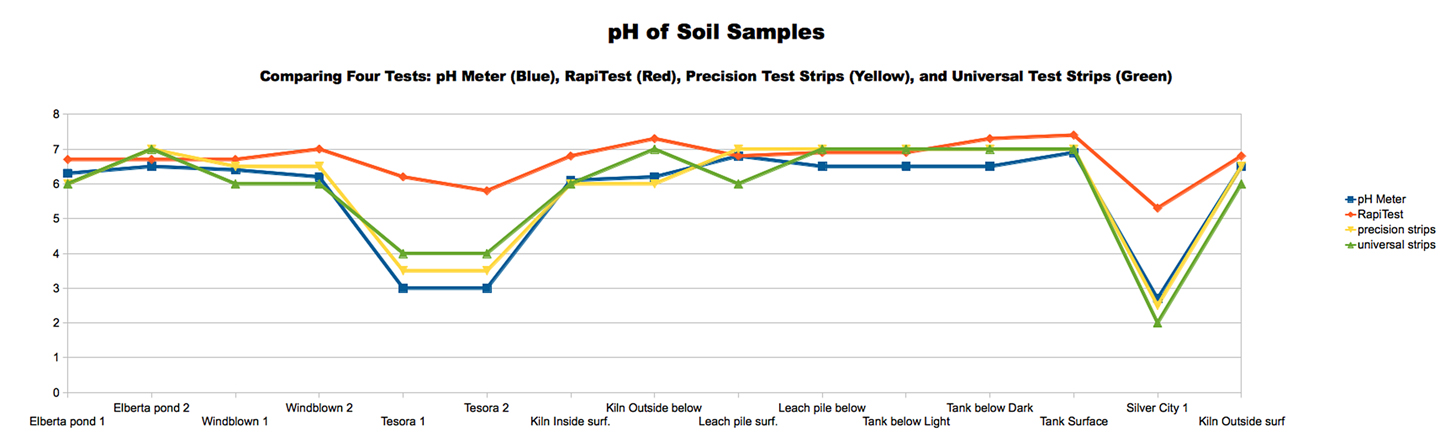
Chart 1: Comparing Different pH Tests of Soil Samples. The readings taken with our portable pH meter provide the most consistent results (and can be done easiest in the field).

Chart 1: Comparing Different pH Tests of Soil Samples. The readings taken with our portable pH meter provide the most consistent results (and can be done easiest in the field).

As you can see from Chart 1 shown here, of the different methods we used to determine the soil pH, the pH meter was the most sensitive and consistently accurate. It was also easiest to use. It showed that most of the samples, were slightly acidic (between 6 and 7), but the samples taken from mine dumps and the areas immediately downstream were extremely acidic; in fact, some samples had a pH too low for our meter to read, which had a low limit of 2.5. Although not shown on this chart, the samples taken inside Eureka on our fourth collection trip all showed pHs near neutral (6 – 7).

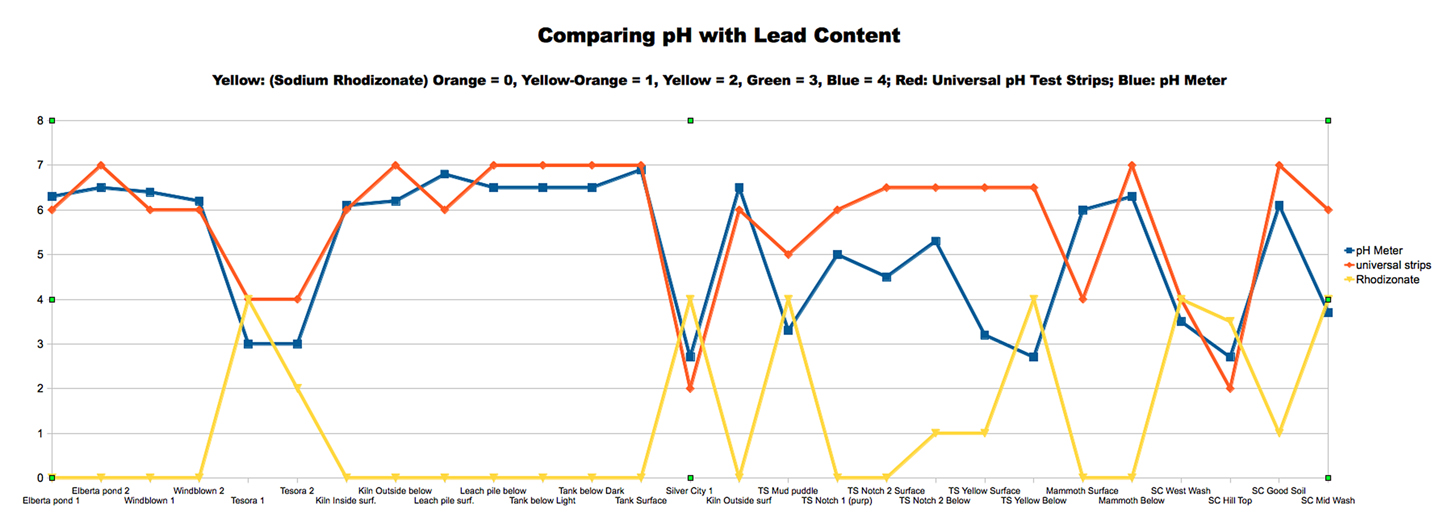
Our lead test showed no discernable lead inside Eureka, even in soils that had not been replaced by the EPA. This is probably because our test is not sensitive enough for low lead levels. It becomes hard to distinguish the original color of the rhodizonate from the natural color of the soil unless there is enough lead present to create an obvious color change. In Chart 2, low levels of lead correspond very well with neutral pH soils.

Chart 2: Comparing Soil pH with Lead Levels. The lower the pH (more acidic) the soil samples were, the more lead was present with a correlation coefficient of rho = -0.876.

Chart 2: Comparing Soil pH with Lead Levels. The lower the pH (more acidic) the soil samples were, the more lead was present with a correlation coefficient of rho = -0.876.

The most interesting result of our study was to compare pH with lead levels. Chart 2 shows that the highest lead levels were found on or immediately downstream from mine dumps, which correlated very well with low pH levels with a correlation coefficient of rho = -0.876. Mine dump soils had high lead content and were highly acidic. Of course, this doesn’t imply causality: the high acid doesn’t cause lead, and the high lead probably doesn’t cause the acidity, but if one is present, so is the other.

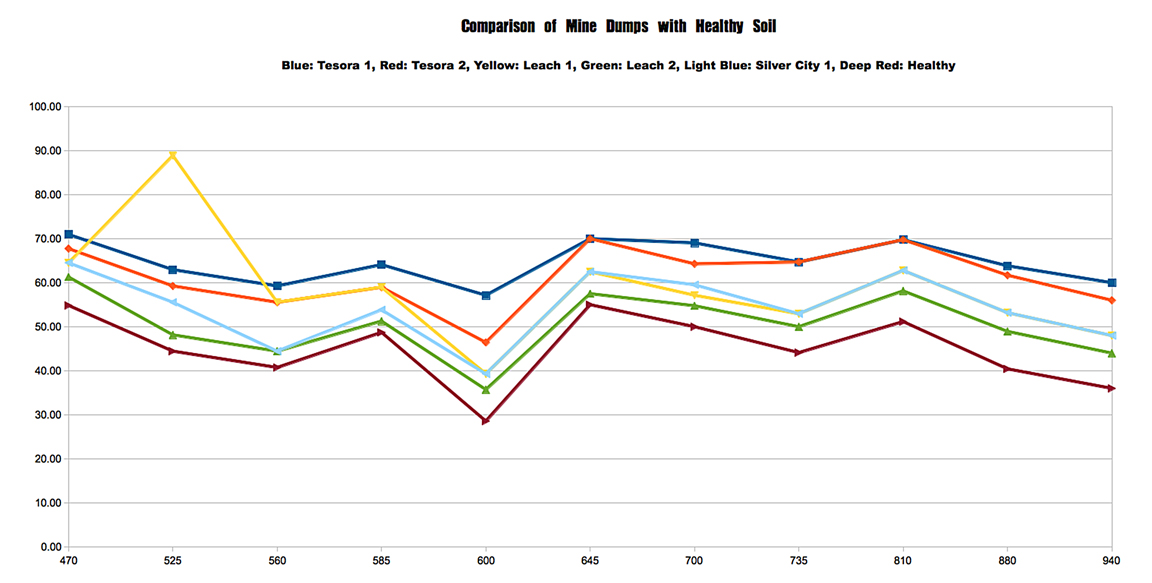
Chart 3: Comparing Soils at Mine Dumps with Healthy Soil Using the ALTA II Reflectance Spectrometer. Healthier  soils were darker and richer in humus, whereas mine dump soils were pale and yellowish.

Chart 3: Comparing Soils at Mine Dumps with Healthy Soil Using the ALTA II Reflectance Spectrometer. Healthier
soils were darker and richer in humus, whereas mine dump soils were pale and yellowish.

In Chart 3, the reflectance spectrometer tests were inconclusive as far as detecting a signature for lead. We compared the results shown with samples of pure lead, pure galena (lead sulfide), and silver-lead ore. There were no obvious wavelengths that gave a definitive fingerprint for only lead.

The one useful result of the spectrometer tests was to confirm the overall health of the soil samples; those with lower percent reflectance overall were darker, richer, more healthy soils with more plant life growing. The lighter soils had less plant life and higher overall reflectances. The soils at mine dumps were yellowish to light purplish due to the presence of sulfur compounds, and these also had no plant life, lower pH, and higher lead.

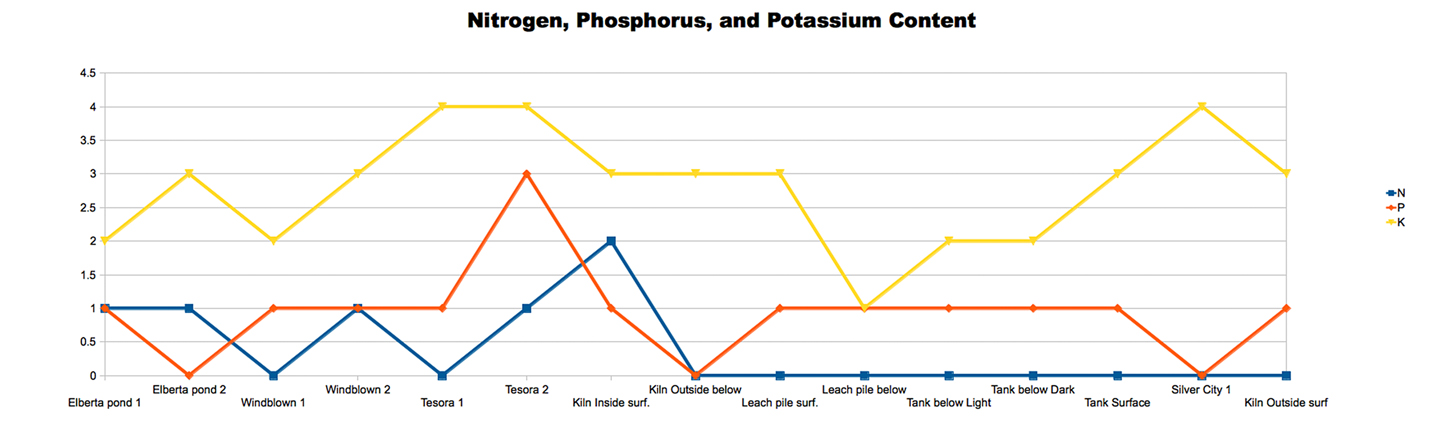
Chart 4: Comparing the Levels of Nitrogen, Phosphorus, and Potassium in Soil Samples. The nitrogen and phosphorus tests gave no predictable results, whereas the potassium test showed higher levels of potassium in mine dump soils with high lead content (rho = .687).

Chart 4: Comparing the Levels of Nitrogen, Phosphorus, and Potassium in Soil Samples. The nitrogen and phosphorus tests gave no predictable results, whereas the potassium test showed higher levels of potassium in mine dump soils with high lead content (rho = .687).

Chart 4 shows the tests we conducted on soil nutrients. The nitrogen and phosphorus tests were inconclusive, and are probably due to the poor quality of the garden test kit we used. The potash (potassium) test did show higher potassium in the mine dump soils where lead levels were also highest, although the correlation was only moderate (rho = 0.687).

Conclusions:

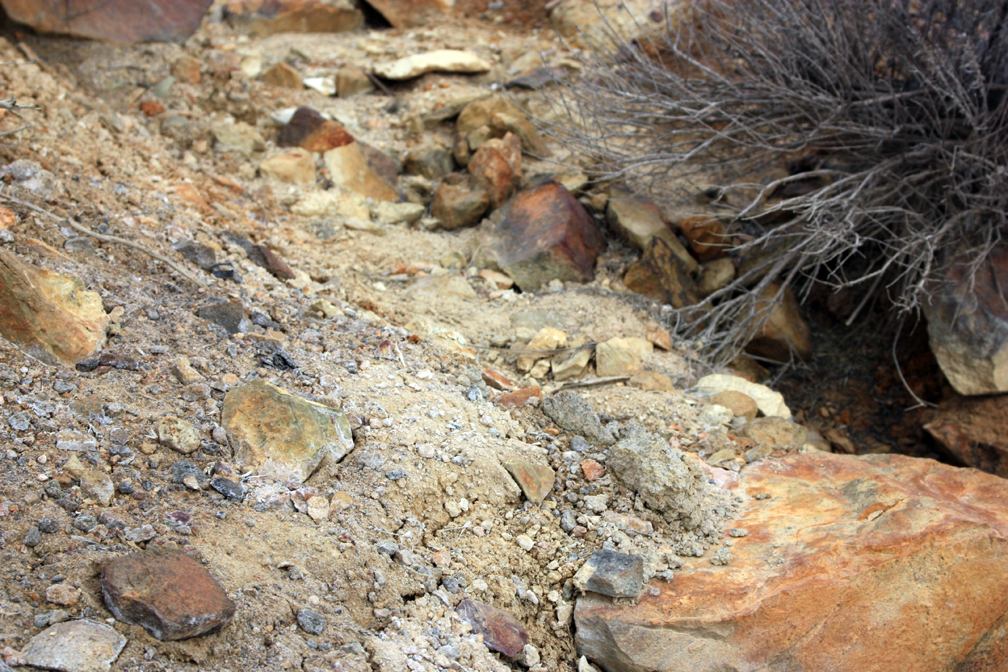
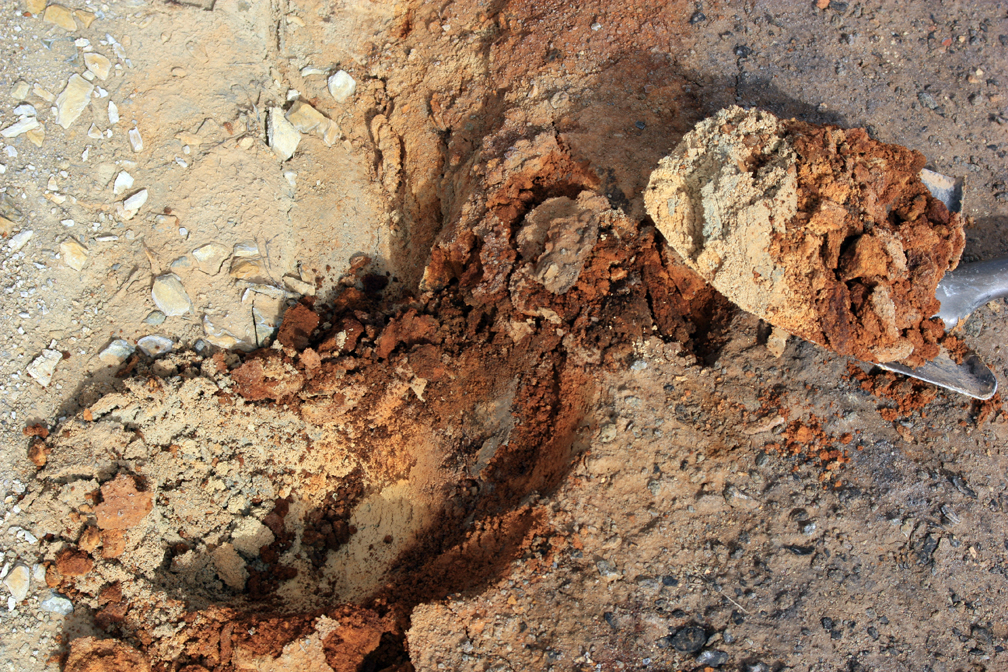
A visual inspection of the mine dumps outside of Eureka, Utah in the Tintic Mining District shows that the waste rock and soils are highly contaminated. No plants grow on the dumps or in the gullies immediately below them. They are stained a bright yellowish-orange, and soils in the nearby gullies have layers of red, yellow, and even green. Overall, they are lighter and less rich than nearby soils with plant life. Our tests show that these mine dump soils are acidic and have high levels of lead contamination.

Similar mine dumps were located at the west end of town (around the Gemini and Bullion Beck headframes) and south of town (Chief Consolidated and Eagle and Bluebell mines). If the same pattern of contamination occurred there as what we found in the Swansea, Tesora, and Tintic Standard dumps, then it is likely that the soils downstream in the residential areas of town were also contaminated by lead and sulfur compounds. We did not find evidence of this in our tests of original soils inside town, but our test was not sensitive enough to find the lowest levels of lead. Soil pH throughout the town was slightly acidic, which may indicate sulfur or even lead content. We were not able to get the data from the original EPA tests.

Soil discoloration in the wash west of the main Swansea mine dump at Silver City.

Soil discoloration in the wash west of the main Swansea mine dump at Silver City.

Both pH and potassium content appear to be well correlated with lead content, with pH having a particularly high negative correlation (-0.876). Perhaps pH can be used as a marker, since it is easily measured. Where lead is suspected, a pH reading showing high acidity would indicate a strong possibility of lead. It would be interesting to see if the two measurements decouple as one travels further downstream from the mine dumps along washes and gullies. Do the lead and the acid travel the same distances?

Soil layers showing different types of contamination, in the middle wash downstream from the Swansea mine dump.

Soil layers showing different types of contamination, in the middle wash downstream from the Swansea mine dump.

Much remains to be tested. We have some additional grant funds that we will use to send four samples to an outside lab for detailed element analysis. I also hope to take all our samples to a local university and use an X-ray Fluorescence Spectrometer or Raman Spectrometer to get an accurate and precise readout of the lead levels and other heavy metal content. We need to determine the amount of sulfur compounds in the soils, and how that correlates with pH. We also need to pass our samples through a soil sieve and measure the relative sizes of particles and the amount of humus in each. We should test the mine dump soils to see if plants will grow in them compared to the other samples. Finally, we need to return to the site and collect more samples of other mine dumps, as well as the soils around and downstream from the dumps we’ve already tested. We need to determine how far the lead contamination and acidity travel down the washes and gullies and the extent to which the slope of the land affects this.

As with any field research study, it’s hard to keep all the variables constant. We’ve been careful and consistent with our tests, recording each location and using controlled testing conditions in the lab. But there are factors we can’t control. It could be that the low plant life on the dumps is simply because this is a desert, and plant life takes time to get established after soils are disturbed. The dumps were all dug up and the best materials were transferred to a leaching pile nearby in the 1980s. 30 years is not enough time for climax vegetation of sagebrush and juniper trees, but is enough time for grasses and low brush to grow. In general, soils in the area are poor in nutrients except where higher levels of water (such as in washes or gullies) allow more plants to grow and decay into better humus.

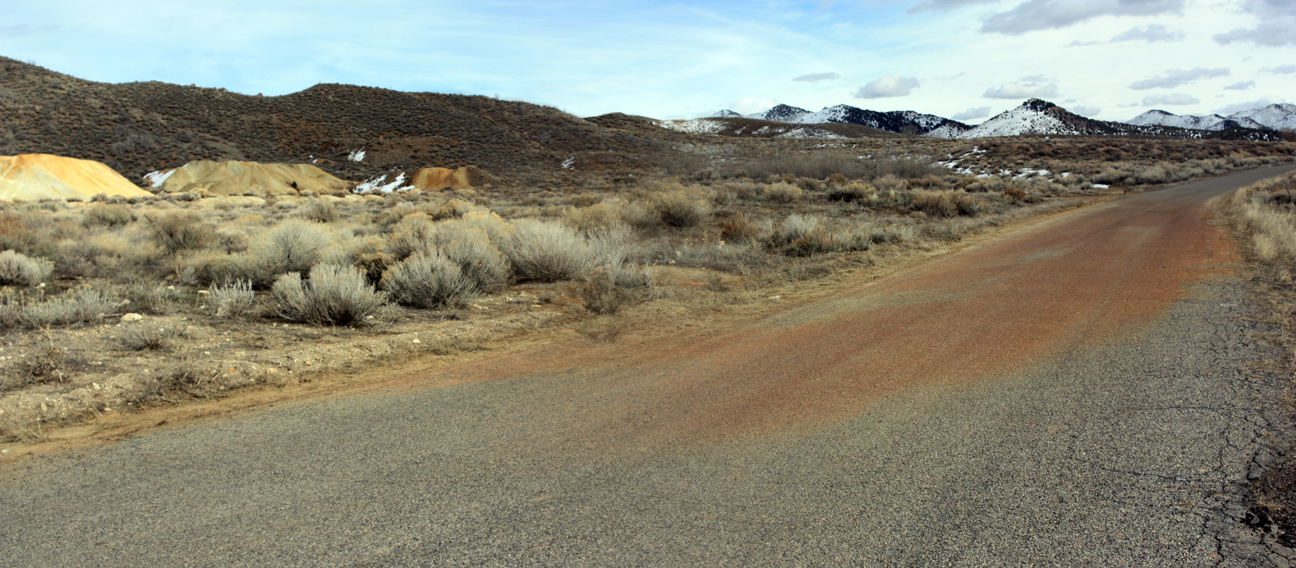
Staining on the asphalt where water draining off of the Swansea mine dump runs over the road near Silver City.

Staining on the asphalt where water draining off of the Swansea mine dump runs over the road near Silver City.

Read Full Post »

Some of the soil samples from the Tintic Mining District

Some of the soil samples from the Tintic Mining District

Although it’s been over six months since we conducted these experiments, I want to report on what we did before moving on to other topics so that these blog posts will be in the right order. So much has happened doing chemistry that I’ve fallen behind on reporting and writing about chemistry and the elements.

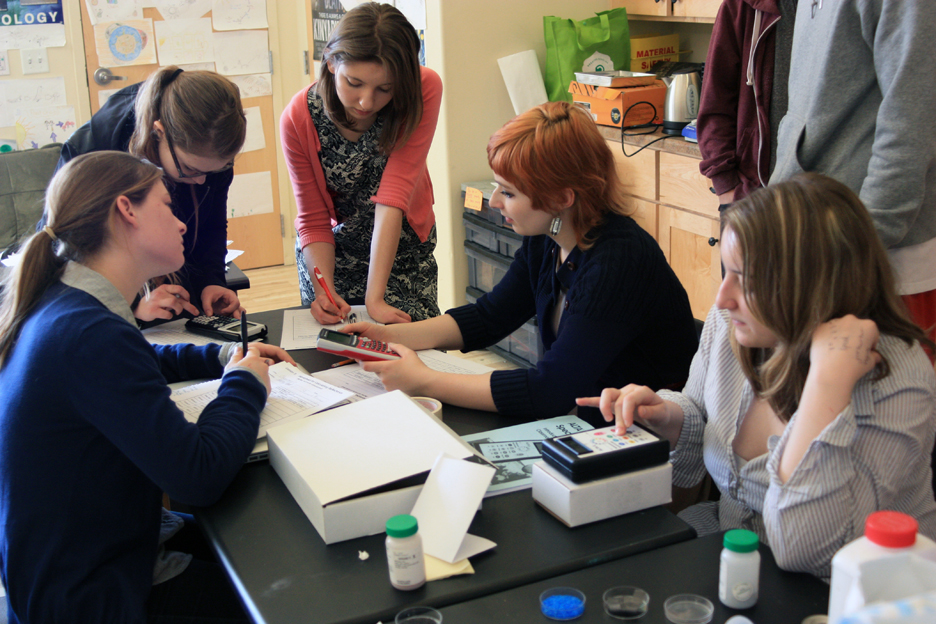
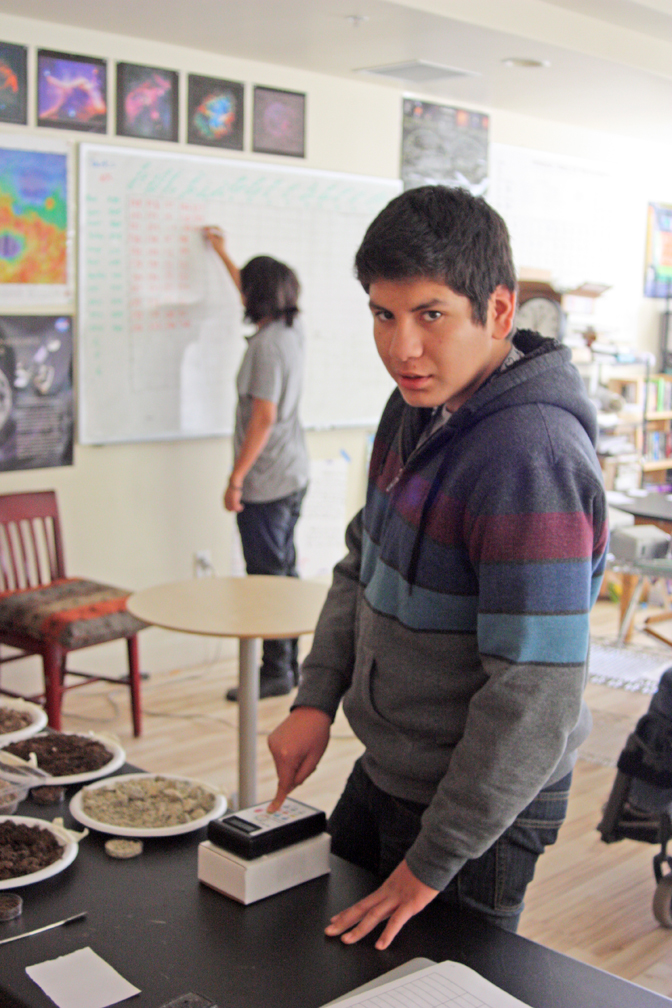
Chemistry students test chemicals with the ALTA II reflectance spectrometer

Chemistry students test chemicals with the ALTA II reflectance spectrometer

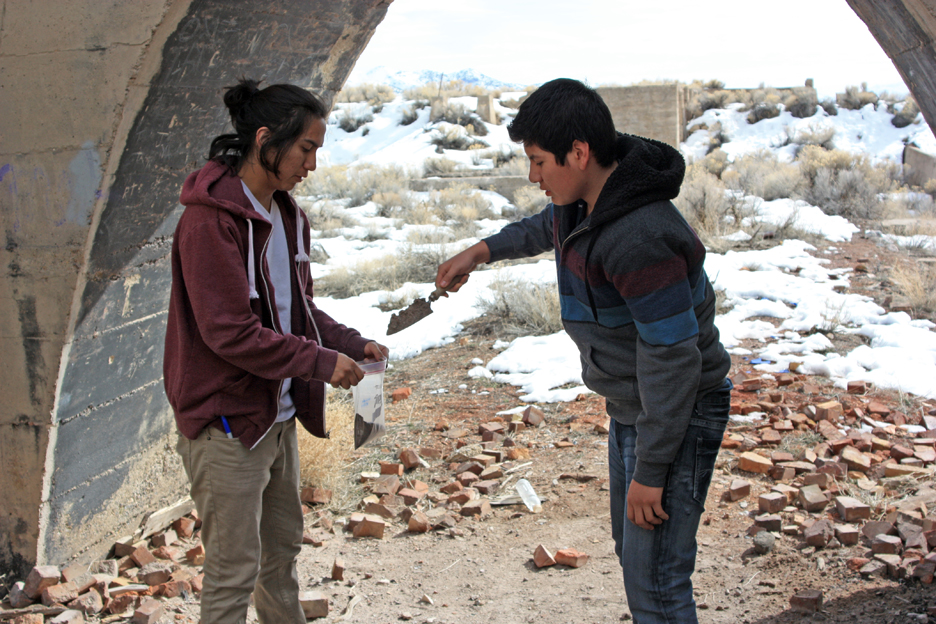
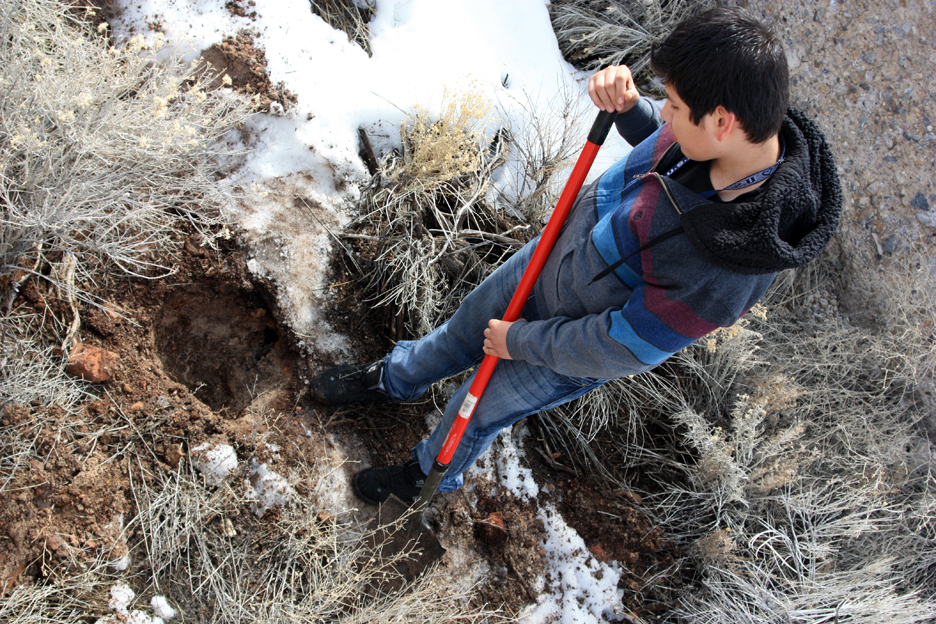
During our Intersession class in March, we visited the Tintic Mining District three times in addition to our visit the previous fall. This made four collection trips altogether, and we got 42 samples from over 20 locations. Some of these were from areas inside the town of Eureka, some were outside in areas with heavy mining, such as on or around mine dumps, and some were control samples where no mining has occurred. Our goal was to test these samples for lead and other metal contaminants as well as pH.

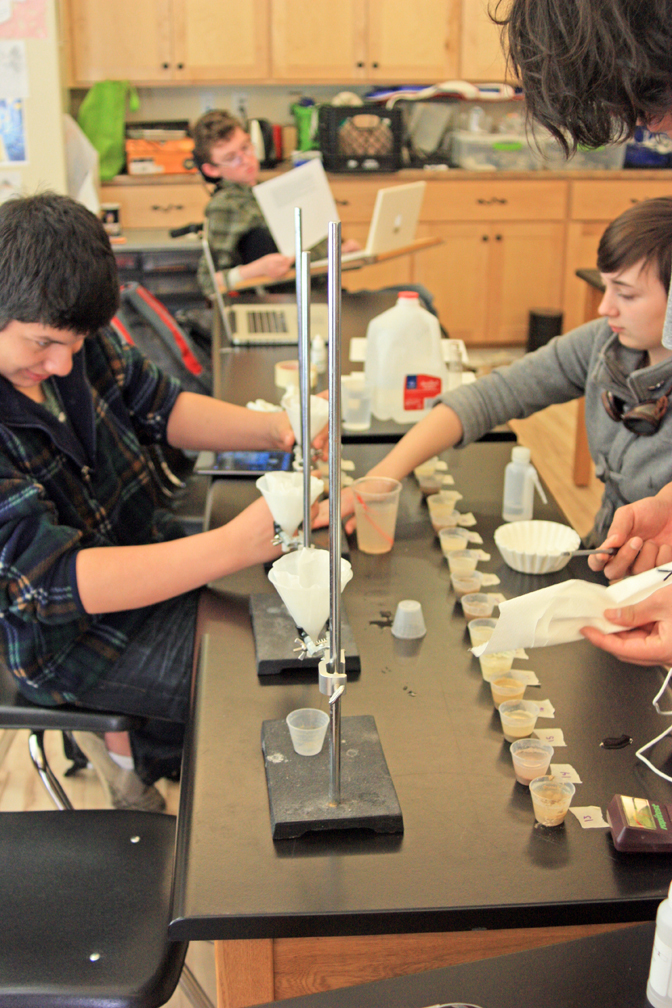
Sean, Jem, Indi, and Jeffrey add water to soil samples

Sean, Jem, Indi, and Jeffrey add water to soil samples

We did this in several ways. First, we took a field pH meter with us to test the soils as we collected the samples. Since most were gathered in March, the ground was damp and the pH meter worked well. The areas around mine dumps showed extremely low pHs (the meter pegged at about 2.5, so the samples were lower still). They also showed the most discoloration, ranging from yellow to purplish colors. These sites also had little or no vegetation.

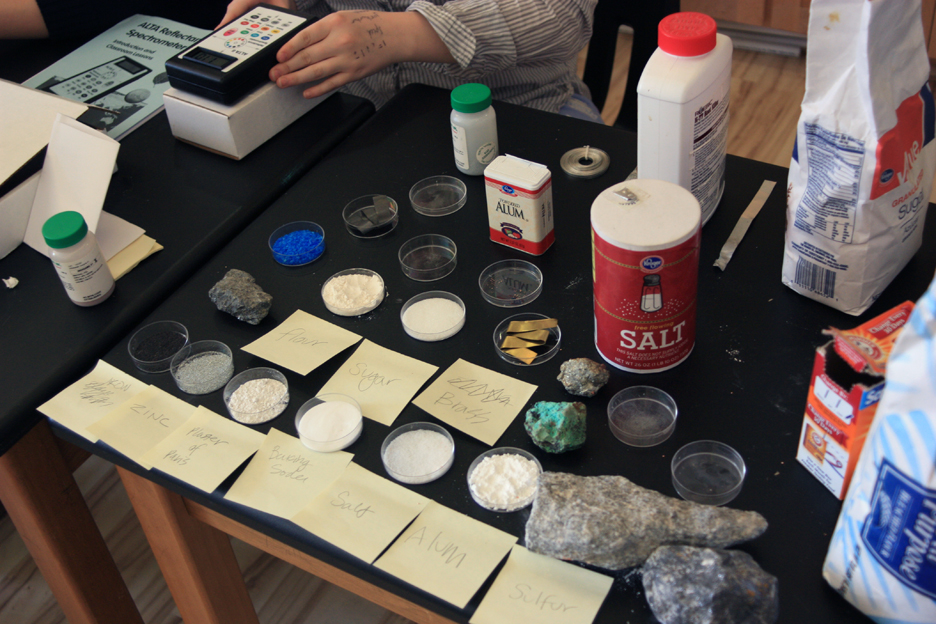
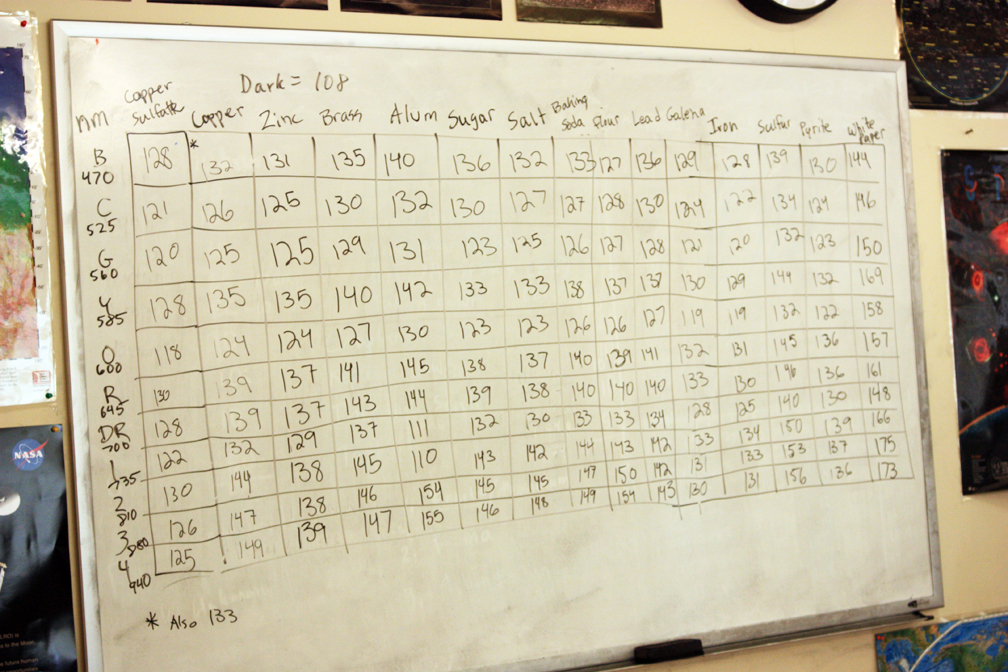
Chemicals and minerals tested by the chemistry students using an ALTA II reflectance spectrometer

Chemicals and minerals tested by the chemistry students using an ALTA II reflectance spectrometer

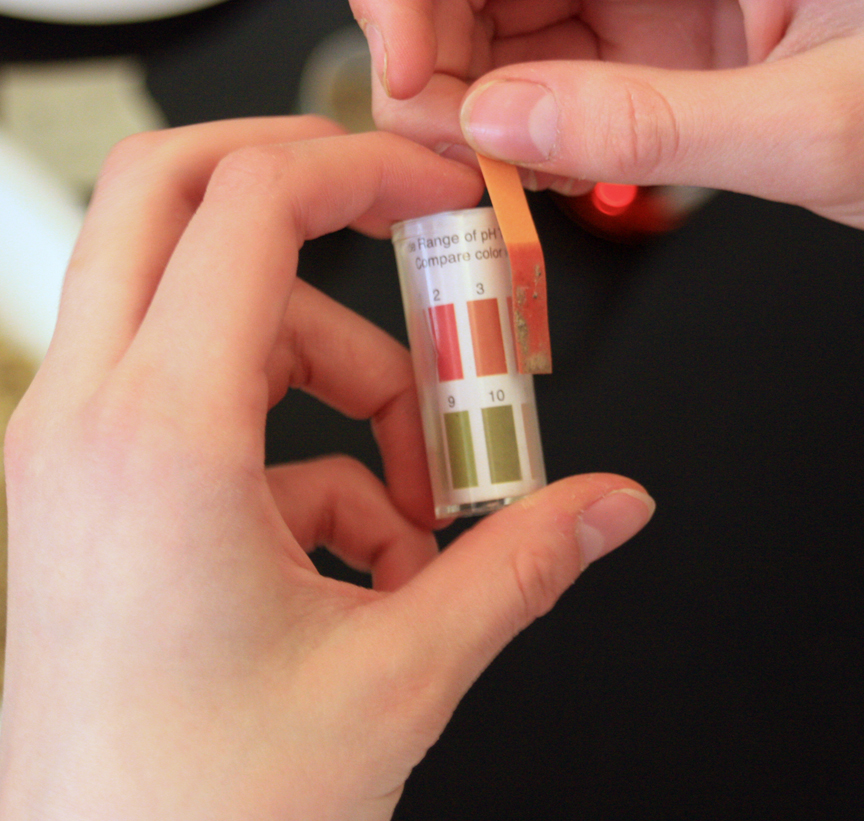
Measuring pH using universal test strips

Measuring pH using universal test strips

Even though the field pH meter worked well, we weren’t sure if it was consistent or reliable given that the soil samples had different amounts of moisture. When we took the samples back to our chemistry lab, we took them out of the Ziploc bags they were in and placed them onto paper plates to dry for several days. Students measured 10.0 g of each and added 25 mL of distilled water, stirring the samples to mix the soil with the water as much as possible. Then we tested each with the pH meter, universal pH test strips, and more specific test strips. We also used a garden soil nutrient test kit that included a pH test where a pill was emptied into the wet sample and color read off of a chart. The various results were set up on the whiteboard as a table, then my student Jem set up a spreadsheet to record and chart all the samples to compare which pH test method was most sensitive and accurate.

Testing for lead with sodium rhodinzonate. The blue color of the second to last sample indicates both lead and acid.

Testing for lead with sodium rhodinzonate. The blue color of the second to last sample indicates both lead and acid.

Another test was to see how much lead was in the samples. Our technique was to use a kit for testing lead in soils using a solution of sodium rhodizonate, which turns from reddish orange to pink in a control solution of lead nitrate. Our samples brought back from our first and second collect trips were tested by filtering out the sediment from the soil mixed with water, then taking the filtrate and adding the rhodizonate solution. Most of the solutions stayed orange, but one turned purplish blue, not pink. It was the sample taken from the Tesora mine dump. This was puzzling until one of my students, Sean, looked up the rhodizonate test and found that it does turn purple-blue if the sample is acidic. When testing its pH, we found it was highly acidic with a pH of 3.0.

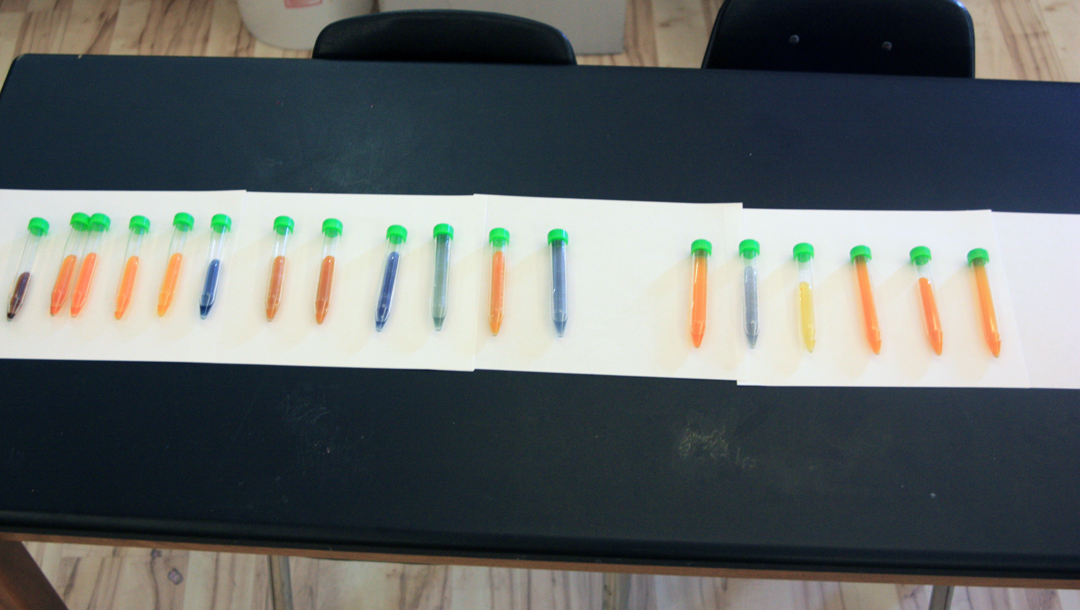
Results of rhodizonate test, with colors ranging from orange (no lead) through yellow (moderate lead) to green and blue (high lead). The test was qualitative, not quantitative.

Results of rhodizonate test, with colors ranging from orange (no lead) through yellow (moderate lead) to green and blue (high lead). The test was qualitative, not quantitative.

We began to see there was a correlation between low pH and lead content. As we repeated the test with other samples, we refined our techniques and came up with a color gauge that provided a rough quantitative scale for the amount of lead present. Most samples, including all from inside town, had a pH of 6.5-7.0 and the rhodizonate stayed orange. Where the pH was a little lower (6.0-6.5 and 5.0-6.0), such as in areas downstream for mine dumps, the rhodizonate turned orange-yellow or yellow. A pH of 4.0 – 5.0 showed a rhodizonate test of light green. A pH lower than 4 showed a test of blue. The correlations between the amount of lead and the acidity of the soil were very strong. We set up a scale of orange equals no to very little lead, yellow a small amount of lead, green a larger amount, and blue the largest amount with numbers 0 to 4. Unfortunately, the rhodizonate test is not specific enough to show actual quantities of lead, and we have no way of knowing if a number 4 (blue) test has twice as much lead as a number 2 (yellow) test. That will have to wait for x-ray fluorescence spectroscopy or some other technique.

Control tests using the sodium rhodizonate solution (on the right). The second to the right shows pink color when the test solution is added to a neutral solution of lead nitrate. It turns purple (second from left) in an acidic solution that contains lead. It produces a white precipitate in a solution basic solution of lead. In the soil samples, lead in acidic soil produced a blue color. When a base was added, a black precipitate formed. All samples with lead present were also highly acidic.

Control tests for lead using the sodium rhodizonate solution (on the right). The second to the right shows pink color when the test solution is added to a neutral solution of lead nitrate. It turns purple (second from left) in an acidic solution that contains lead. It produces a white precipitate in a basic solution of lead. In the soil samples, lead in acidic soil produced a blue color. When a base was added, a black precipitate formed. All samples with lead present were also highly acidic.

We also tested for soil nutrients, including phosphate, nitrate, and potassium. The only correlation was that the soils with higher levels of lead had higher potassium levels overall, but the correlation wasn’t completely certain.

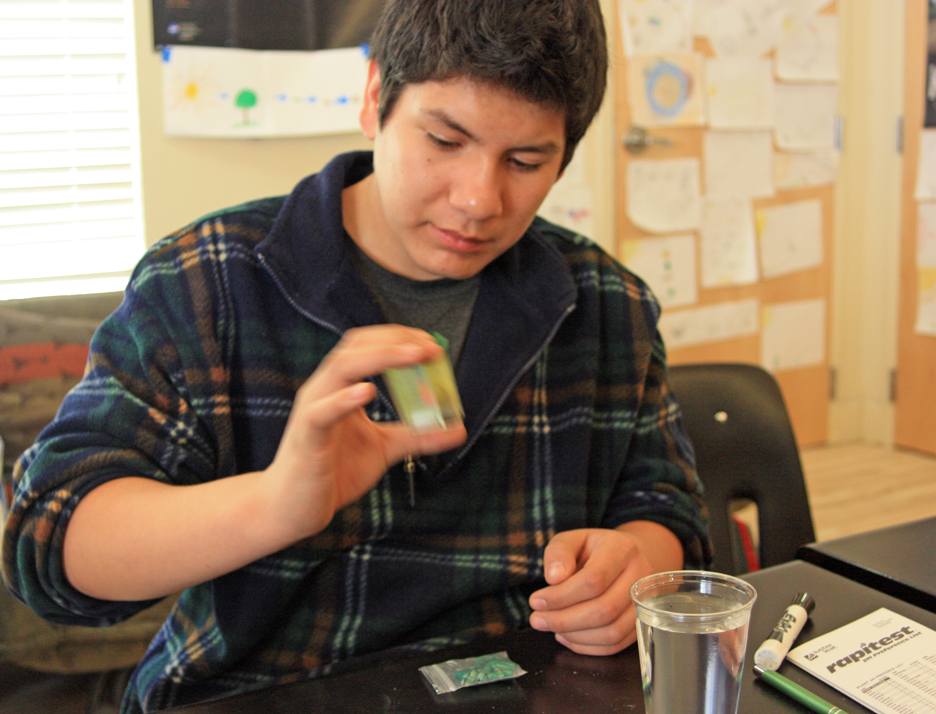
Sean tests for nitrogen in the samples

Sean tests for nitrogen in the samples

I had seen an interesting device demonstrated at a workshop for the landing of the Curiosity rover on Mars where we used reflectance spectroscopy to analyze rock samples representing Martian rock analogs. The ALTA II device uses 11 LED lights on the bottom to shine off of a rock or mineral sample, then a detector shows the relative reflectance of each wavelength, ranging from blue through red to four frequencies of infrared LEDs. Using a white paper and a black paper as controls, the percent of reflected light can be determined and charted. Before Intersession began, I had the chemistry students use the ALTA on a series of chemicals. Some were white but of different substances, some were pure elements, such as copper, tin, lead, iron, and sulfur. Others were alloys such as bronze or compounds such as copper sulfate or minerals such as iron pyrite. I wanted to see if the alloys were an average between the pure elements that made them up, and to see if the infrared reflectance was different even though the visible colors of substances were white.

Reflectance spectrometer readings for various chemicals and minerals. There are 11 wavelengths read for each sample, which are compared to the values for white and black to get a percent reflectance.

Reflectance spectrometer readings for various chemicals and minerals. There are 11 wavelengths read for each sample, which are compared to the values for white and black to get a percent reflectance.

We also used the ALTA on each of the soil samples, and the results were fairly predictable in that the richer, loamier soils had lower reflectance at all frequencies (they are darker). The more mineralized and contaminated soils were lighter (more yellowish overall) and high reflectance. Yet the yellow soil didn’t necessarily have higher yellow reflectance – it might have higher green and red, which were combining to make yellow. This spectrometer isn’t specific enough to really give detailed reflection spectrums, which would show spikes at specific frequencies for lead or other elements.

Recording data for the reflectance spectrometer on the Tintic soil samples.

Recording data for the reflectance spectrometer on the Tintic soil samples.

Doing 11 wavelengths of light for 42 samples created a huge data table. We also had all the nutrient, pH, and lead data. Jem set it all up in a massive spreadsheet. Our ten-day class finished before we had the chance to analyze the samples from our final collection trip, so another student, Jeffrey, continued to work on the samples on his own time. By the end of the school year the results were all finalized. I’ll talk about those results in my next post.

Jem enters all the data into a spreadsheet.

Jem enters all the data into a spreadsheet.

Read Full Post »

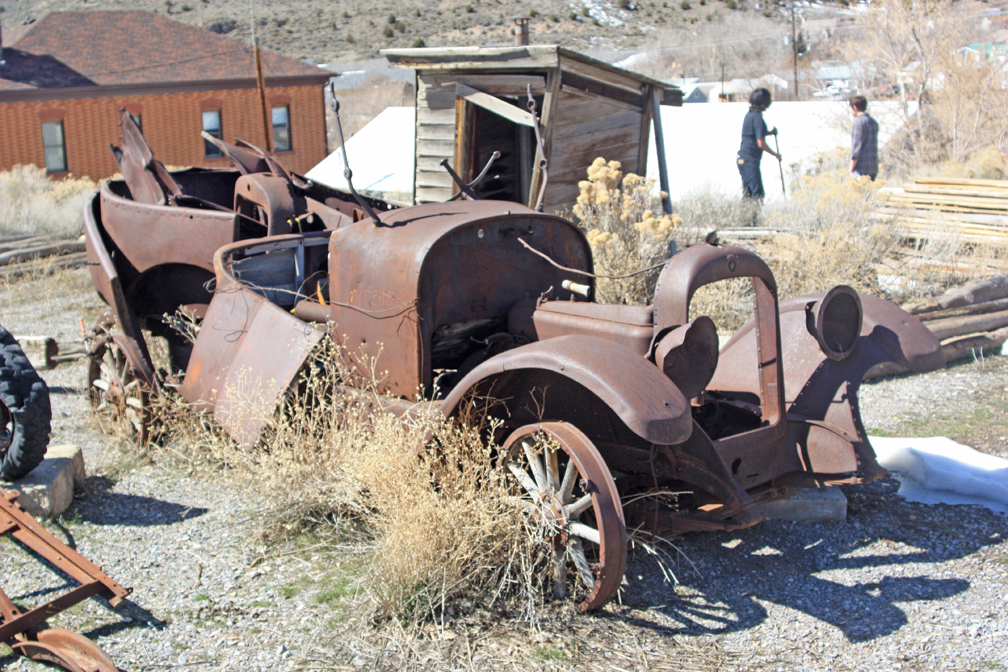
Old car behind the Tintic Mining Museum in Eureka, Utah.

Old car behind the Tintic Mining Museum in Eureka, Utah.

During our Intersession period between third and fourth terms, I taught a class that would help complete our study of lead contamination in the Tintic Mining District around Eureka, Utah for our American Chemical Society Hach grant. We had already visited the area three times to collect samples in the various mine dumps around the area, but we needed one more trip to collect samples from inside the town of Eureka itself. We traveled down for this last trip on Thursday, March 14, 2013. I had three students with me from Walden School: Jeffrey, Indie, and Aaron.

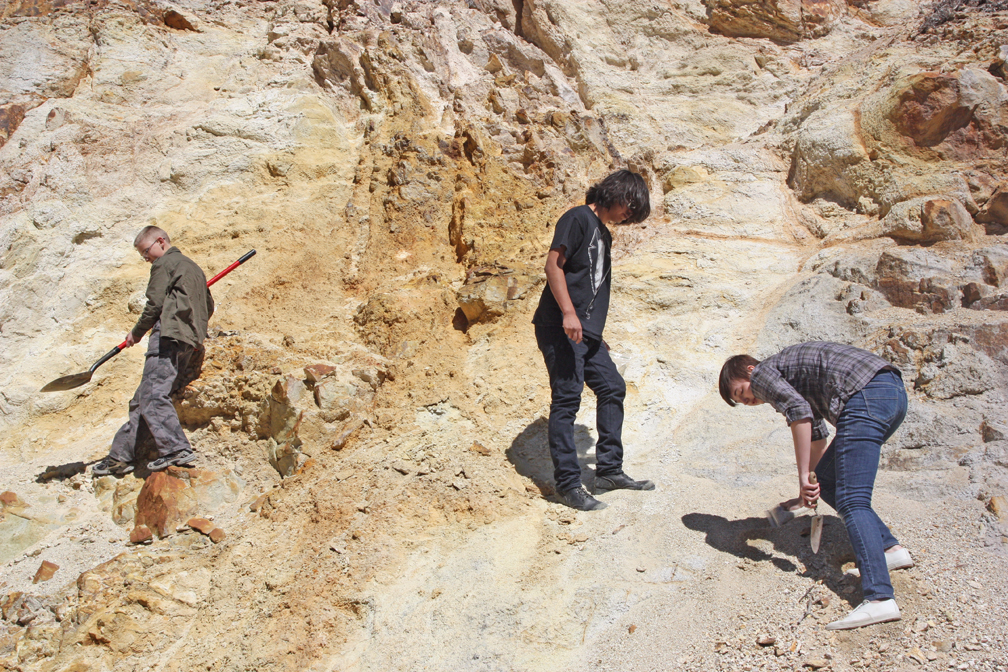
Aaron, Jeffrey, and Indie collecting samples of a hydrothermal vein at a road cut on Highway 6.

Aaron, Jeffrey, and Indie collecting samples of a hydrothermal vein at a road cut on Highway 6.

We had scoped out the town and decided to collect at ten locations in the town and at least one location further southwest outside the entire district as controls. The town was cleaned up by the EPA as a superfund project, and $26 million was spent to dig up contaminated topsoil in sensitive areas, such as playgrounds, the baseball field, and lawns at the high school. Other areas have been covered with limestone fragments, or rip-rap, dug up at a quarry about five miles outside town and supposedly beyond the contaminated zone. Still other areas in town have had plastic netting laid over the ground, supposedly to prevent erosion from washing contamination back into the town. And there are many areas that have not been touched, with climax vegetation (mostly sagebrush and some juniper trees) that would take decades to grow. These untouched areas are even found upslope from sensitive areas, such as the high school. There doesn’t seem to be much rhyme or reason to it. The EPA claims that the problem has been solved, but my goal with this study is to provide independent evidence. Are areas inside the town still contaminated?

Headframes at the Eagle and Bluebell Mines

Headframes at the Eagle and Bluebell Mines

We had hoped that students at Tintic High School would identify and collect samples inside town, but the teacher that was going to collaborate with us bowed out because it was getting too close to the end of the year and he needed the time to prepare his students for state mandated tests. So instead, my students and I had traveled around town on our previous trips looking for candidate locations that will give us a good cross section and not cause problems with identifiable private property

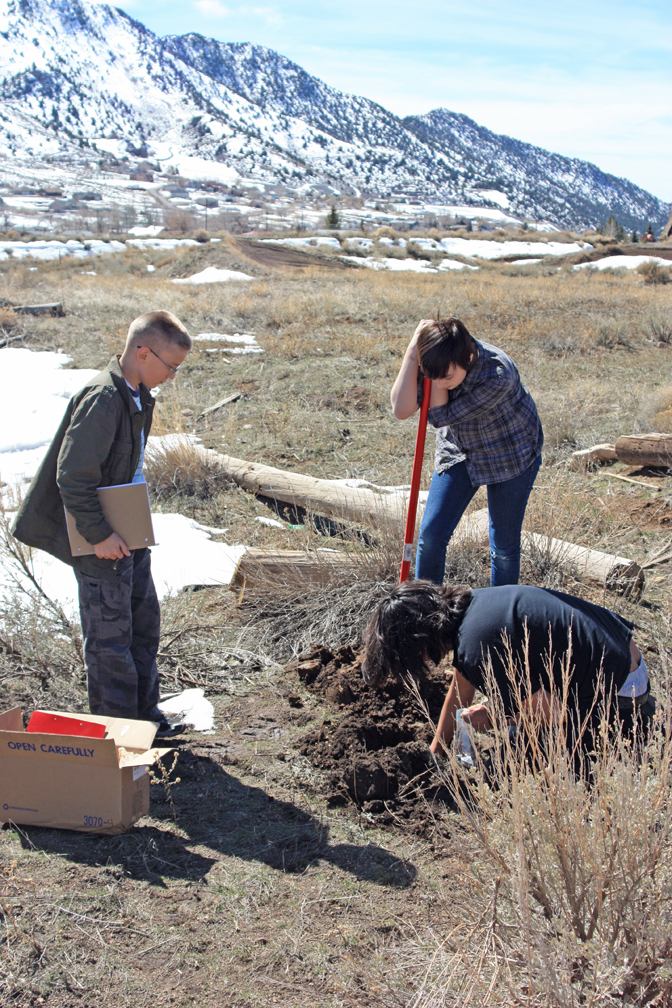
Collecting samples near the High School

Collecting samples near the High School

I also wanted to get soils from a typical mineralized area that had not been mined or processed. There are a series of road cuts leading into town from the east where U.S. Highway 6 goes around several sharp turns. One of these curves cuts through a section of reddish-yellow rock and soil, the marker of a hydrothermal vein. We stopped and collected two samples, one from yellowish soil and one purplish-white. Then we drove on in to town to start collecting samples there.

We began by driving up to a dirt parking lot near the high school baseball diamond. There is an ATV track there where contamination is likely to have been stirred up by the four-wheelers and washed down a small gully through climax sagebrush and junipers. We collected inside the track, in the gully itself, and at the base of the junipers in what was undisturbed original soil.

A pump used to drain water from the mines. Power for the pump came from the Nunn brothers' hydroelectric station in Provo Canyon.

A pump used to drain water from the mines. Power for the pump came from the Nunn brothers’ hydroelectric station in Provo Canyon.

We then proceeded around town, taking samples on the surface and about six inches below at several locations, including a few empty lots, spots next to road right of ways and the city park, downslope from the Eagle and Bluebell mine dumps, and around an old house foundation that was long since abandoned and crumbling into ruin. Altogether we collected at ten sites, or twenty samples, in town. We then drove out of town to the west and collected samples from the bottom of a wash about half way down to the old CCC camp. This would be a control.

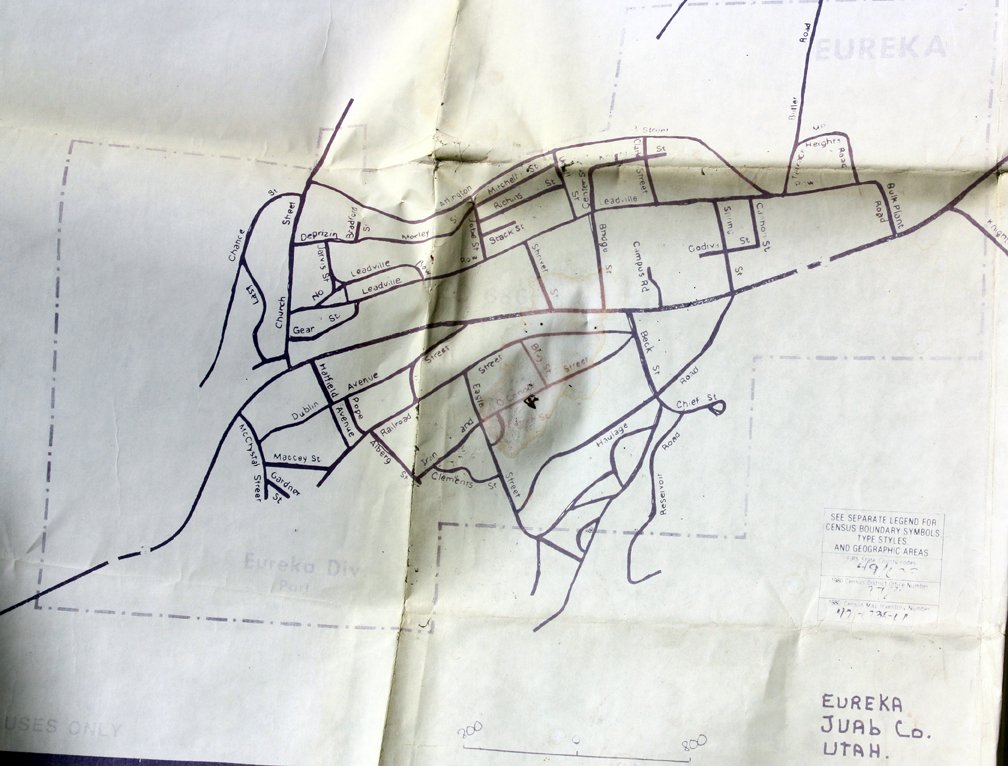
Map of Eureka, Utah

Map of Eureka, Utah

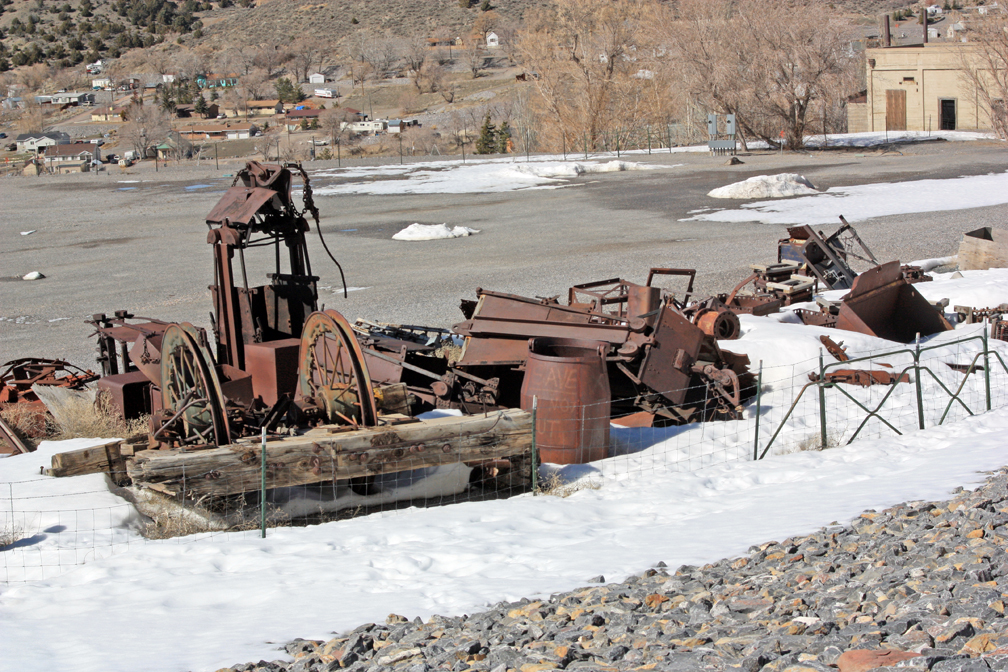
Although we needed to collect quite a few samples in a short period of time, we also took some time to explore more of the town. Around the museum, I explained to the students how the equipment worked, such as the pneumatic hammers, skip cages, water buckets, and muckers. They looked around the old jail and discovered some papers in a room underneath, including a booklet summarizing clean-up efforts after the flooding in 1983. We also found an old, yellowed map of Eureka itself. I carefully took photos of these documents and put them back where we found them. It was a sunny, warm day and we didn’t need coats even though there was still snow on the ground in places. We drove up to get some pictures of the Eagle and Bluebell mine sites. I got out of the car and walked along a hill that is covered in rip-rap to take photos of some old mine equipment and got myself stuck in a snowbank for a minute.

Mining gear at the Chief Consolidated Mining Company headquarters.

Mining gear at the Chief Consolidated Mining Company headquarters.

All told, we have about 42 samples from over 20 locations all over the district. We had identified these areas using Google Earth last fall. In addition to our sample collecting, we shot video and took photos as we traveled around town, with the intent to put all of this into a video on the history and current challenges of the town. Now for the analyses!

Plastic netting used by the EPA to slow down erosion on slopes, allowing native plants to grow.

Plastic netting used by the EPA to slow down erosion on slopes, allowing native plants to grow.

Ruined foundation of a house in Eureka. We sampled near here, since yard fill was often collected from the mine dumps.

Ruined foundation of a house in Eureka. We sampled near here, since yard fill was often collected from the mine dumps.

Read Full Post »

Mine dump at the Tintic Standard Mine near Eureka, Utah

Mine dump at the Tintic Standard Mine near Eureka, Utah

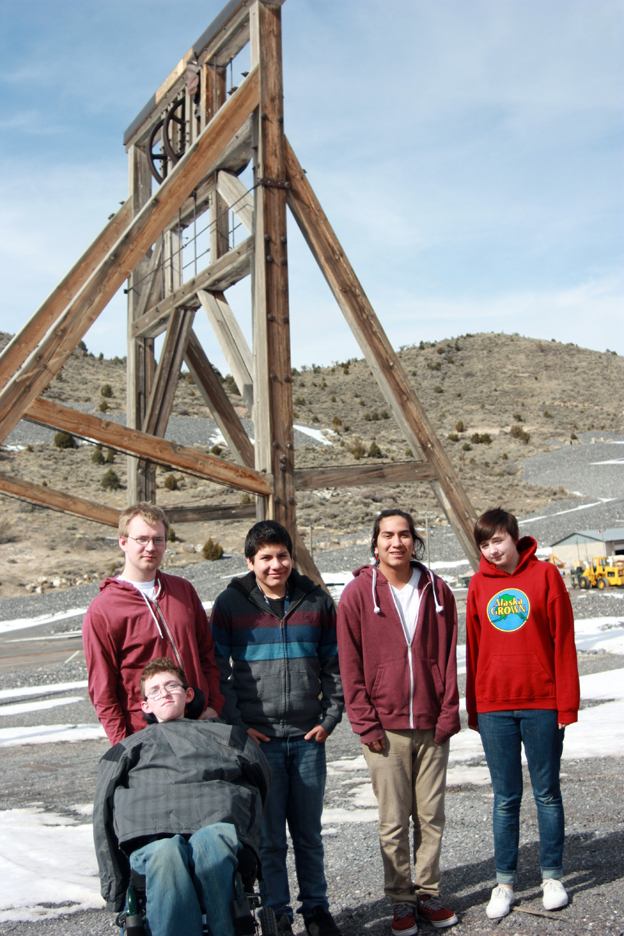
On Tuesday, March 12, 2013 I took three students down to Eureka, Utah to collect our third set of soil samples for our Amercian Chemical Society grant project. Jeffrey, Sean, and Indie helped to collect samples and measure the soil pHs, as well as explore the history of the Tintic Mining District.

Mine dump with contaminated soils at the Tintic Standard Mine

Mine dump with contaminated soils at the Tintic Standard Mine

This time our first stop was at the old Tintic Standard Mine workings above Burgen and Dividend in the East Tintic District. Of all the ore bodies in the area, these on the east side of the Tintic Mountains were the last discovered and the Tintic Standard Mine was in full production by the 1920s. A reduction mill was built across Goshen Valley at the warm springs near Genola. Workers lived in a company town below the mine called Dividend. The mine produced well into the early 1940s, when it was partly shut down for the war effort, then re-opened. Work continued sporadically into the early 1970s.

I

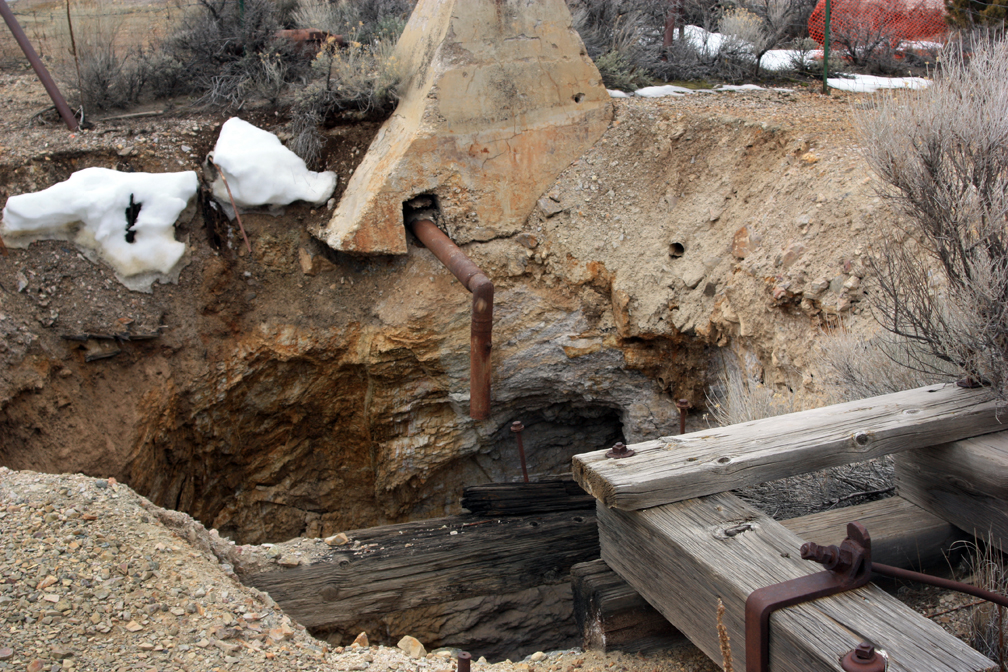
Collar and shaft at the Tintic Standard Mine. Even with a chain link fence around the hole, the loose soil at the collar could cave in and makes this shaft a dangerous place if you get too close.

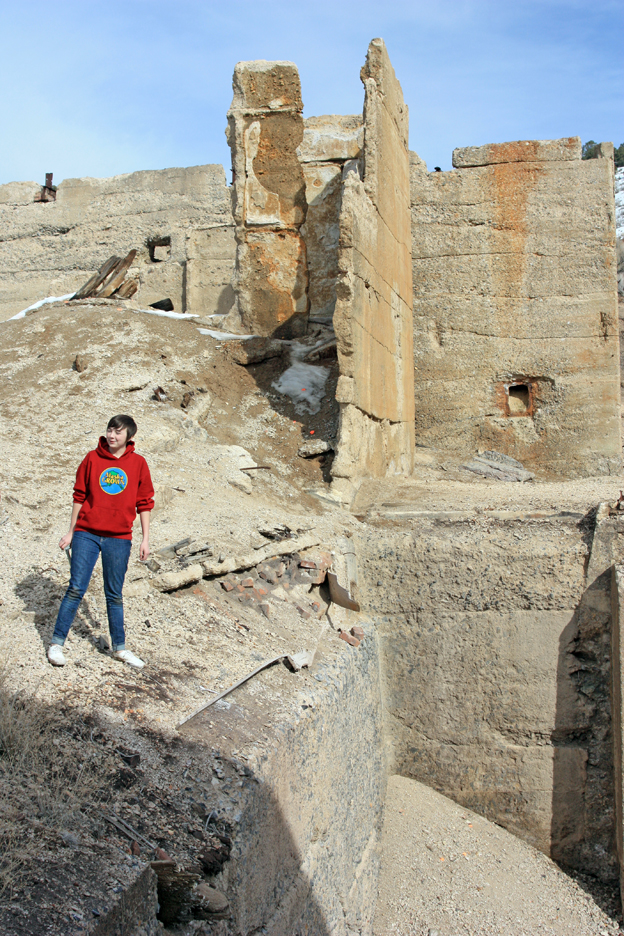
There are still quite a few artifacts and ruins at the site, and care must be taken as there is a large vertical shaft with loose dirt around the collar, so you should stay well back from it. There is a large glory hole on the back hill and two water tanks further up, with the remains of a wooden ditch that brought water down to the company buildings and change room. The main portal to the mine went back from the change room, where there is still an old stove to keep the miners warm. That portal has been sealed off.

Stove in the change room at the main portal of the Tintic Standard Mine. This portal was active off and on into the 1970s.

Stove in the change room at the main portal of the Tintic Standard Mine. This portal was active off and on into the 1970s.

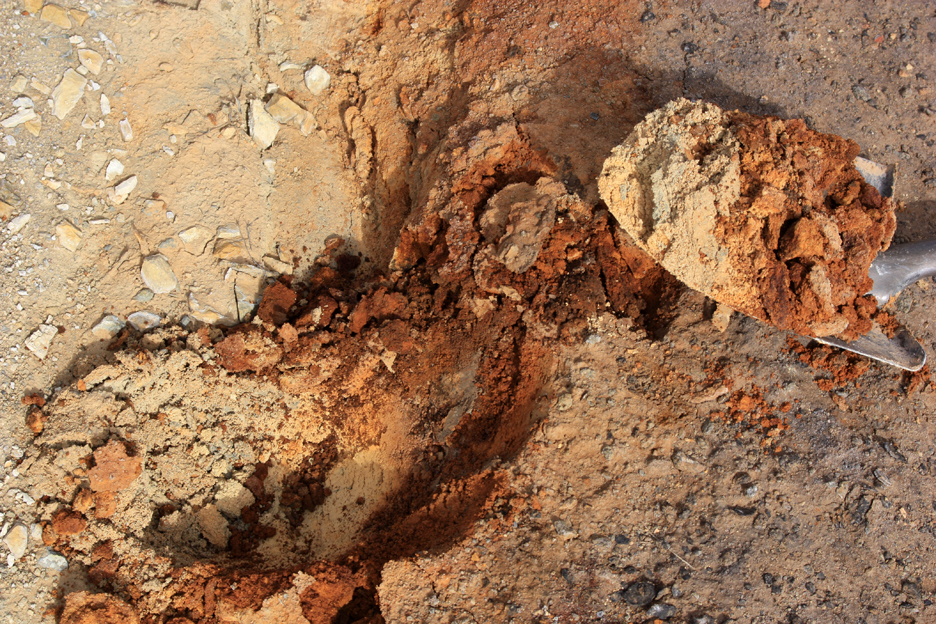
After exploring around, we collected some samples from the mine dump at the bottom of the hill where melting snow had created a clayey puddle. We also collected several samples along a trench that had been cut into the waste rock dump, where the soil was discolored with purplish or yellow deposits. The pH indicator needle pegged several times, showing an acidic pH of less than 3.5. It will be interesting to see what kind of lead content these samples have.

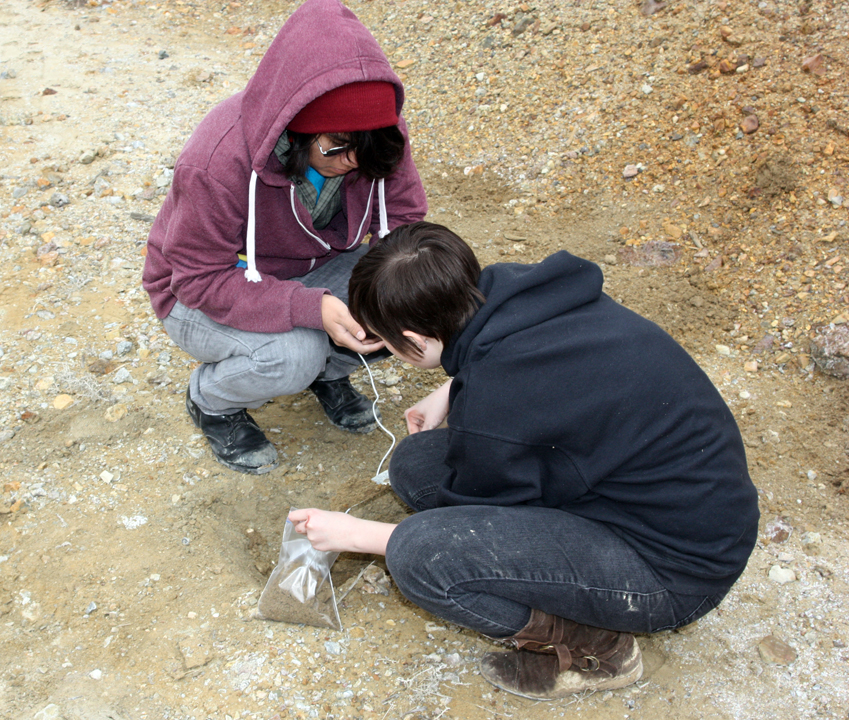
Jeffrey and Indie taking samples at the Tintic Standard Mine

Jeffrey and Indie taking samples at the Tintic Standard Mine

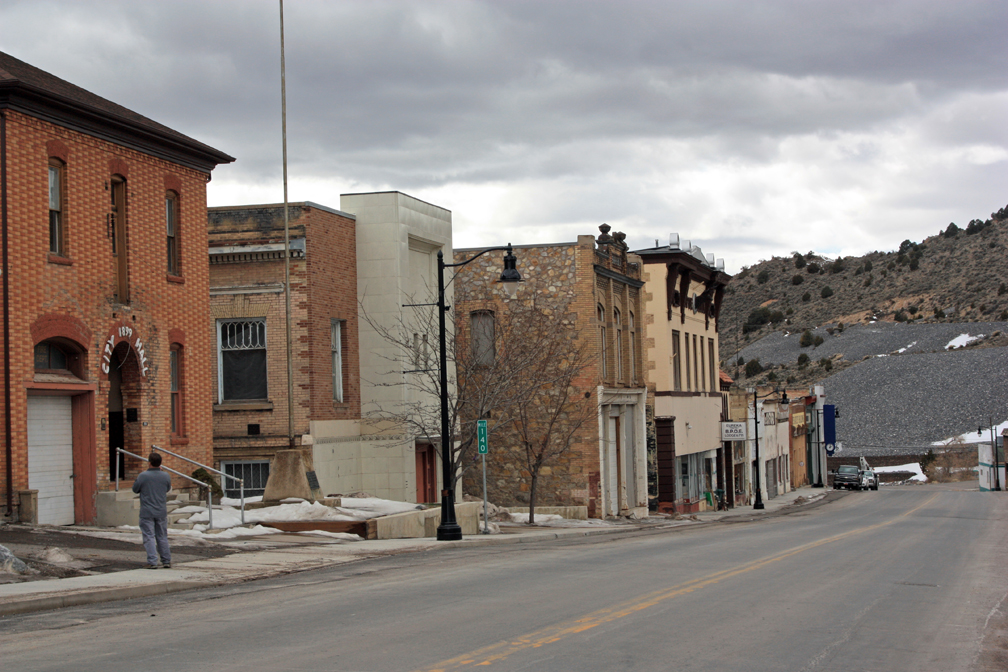
We then drove into Eureka and scouted around town for some additional sample sites to collect on our final trip on Thursday, as well as to look around the mining museum, old City Hall building with its jail in back, and the cemetery. I showed the students how miners worked the air-driven hammers and how water was sprayed into the holes through the center of the drill steel. We looked at the skips or man cages, the water removal buckets, and the mucker machine out front. We walked around Main Street, which was very quiet for a Tuesday afternoon. Only a few cars were driving through.

David Black by City Hall on Main Street in Eureka, Utah.

David Black by City Hall on Main Street in Eureka, Utah.

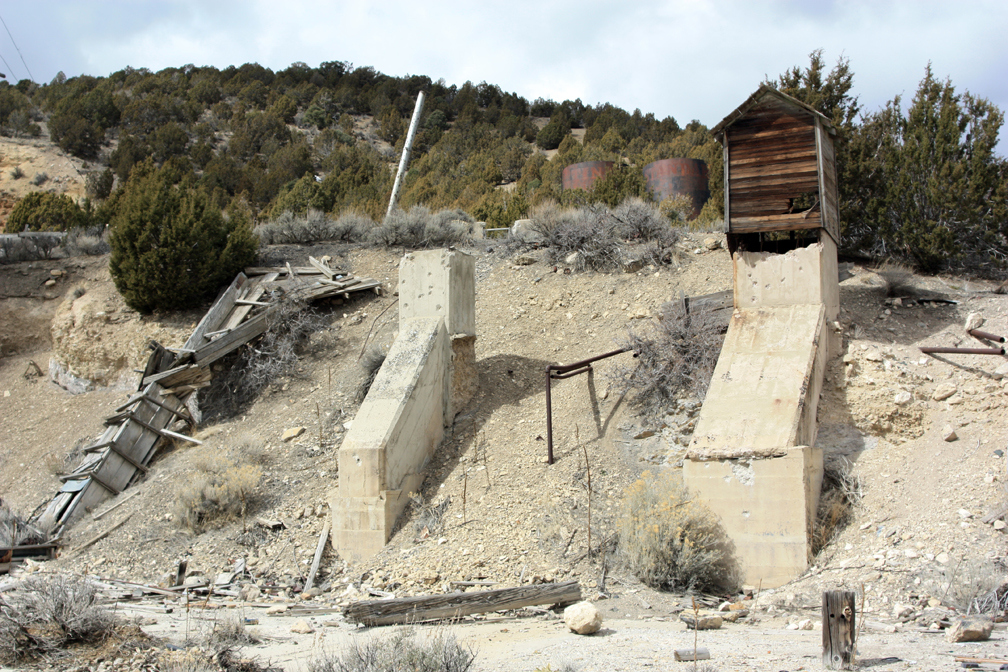
Water chute, tanks, and old foundation at the Tintic Standard Mine

Water chute, tanks, and old foundation at the Tintic Standard Mine

We drove out through the west end of town on Highway 6 and took a detour through the cemetery, recording with the Flip cameras as we went.  We explored around the town of Mammoth and collected samples in a wash at the mouth of Mammoth Canyon. We then went on around to the Swansea mine dumps at Silver City to continue collecting samples.

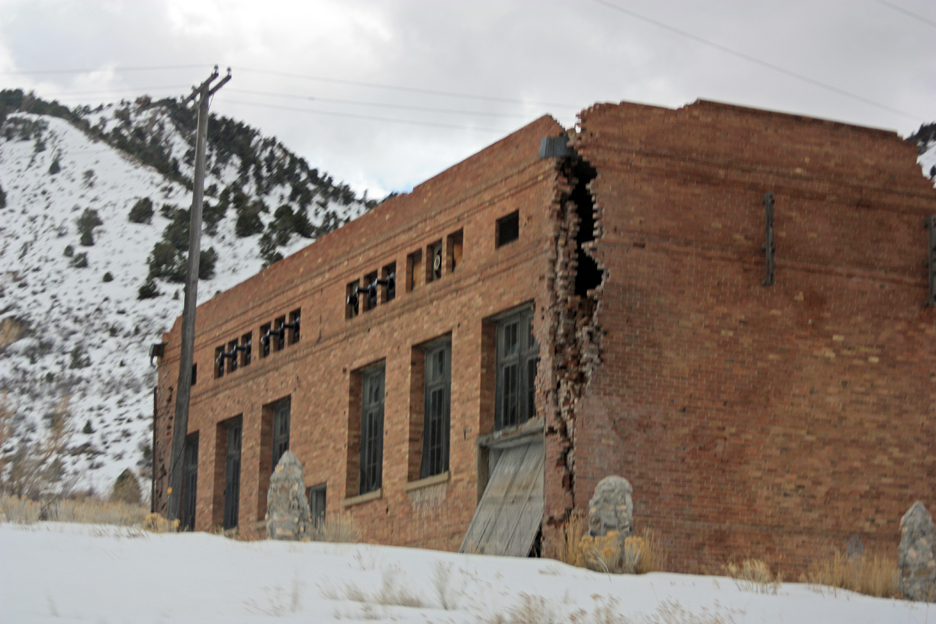
Ruins of the old power plant in Eureka. Heavy machinery moving through town has contributed to the deterioration of historic buildings like this one.

Ruins of the old power plant in Eureka. Heavy machinery moving through town has contributed to the deterioration of historic buildings like this one.

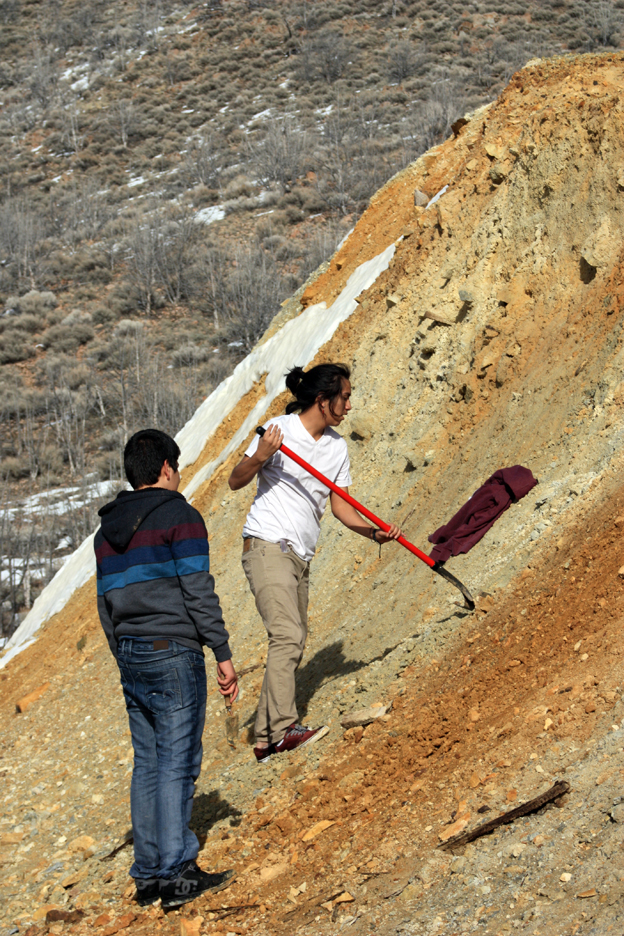
Since last week, the snow has mostly melted and the ground dried out to where we could walk on it in most places without leaving muddy footprints. We sampled in several washes running off the main dump and in soils between the washes where some scrub brush survives. The main wash feeding off of the dump had several layers of brightly colored soils, ranging from reds to yellows to even a shade of green.

Mammoth Mine, headframe, and glory hole. This was the deepest mine in the district, with the richest concentration of silver and gold ore.

Mammoth Mine, headframe, and glory hole. This was the deepest mine in the district, with the richest concentration of silver and gold ore.

I can see we need to do more studying here, to see how much lead and acidic runoff continue down these washes into the valley beyond. The runoff water has left a red stain on the asphalt of the road over a hundred yards from the main dump. The soil on and near the dump itself and in the bottom of the washes is devoid of life. Even though the last time this mine waste was dug up was the 1980s, when the leach pile nearby was created, no plant life has yet to colonize the contaminated soils in about 30 years.

Sean and Indie at the Silver City mine dump.

Sean and Indie at the Silver City mine dump.

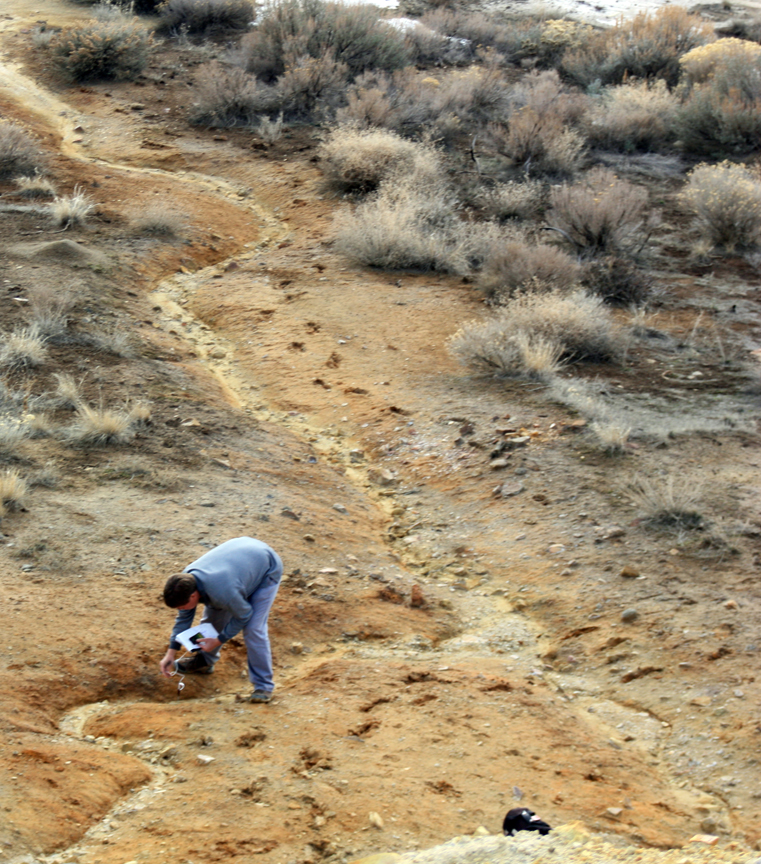
David Black taking pH readings in the middle wash draining the mine dump at Silver City.

David Black taking pH readings in the middle wash draining the mine dump at Silver City.

All told we had an enjoyable and low-key trip, and even though it was overcast the day was fairly warm. We had now collected all the samples we needed outside the remediated zone.

Contaminated soils in the wash draining the Silver City mine dump.

Contaminated soils in the wash draining the Silver City mine dump.

Read Full Post »

Science Research Class at Walden School on our second collection trip.

Science Research Class at Walden School on our second collection trip.

After our fall semester, my research science class ended and the two sections of chemistry were consolidated down to one, with me teaching a computer technology course third period instead of chemistry. Without the two classes that could support the Tintic soil analysis project, I had to put the project on hold until I could get some more students involved. We also had an unusually cold January and February, with snow staying on the ground. This hampered our ability to collect samples. Between 3rd and 4th terms we hold a two-week Intersession at Walden School of Liberal Arts that allows us to teach specialty courses, and I dedicated my course entirely to finishing the Tintic project.

Altogether five students took the course, including Jeffery, Indi, Sean, Jem, and Aaron. To finish collecting all the samples, we had to take three additional trips down to the Eureka area. We were fortunate that the weather cooperated and warmed up enough that the snow melted.

Our second collection trip was on March 5 to the area of the Knight Smelter, the cyanide leeching pile, and Silver City. We stopped at the Bullion Beck Headframe on the way to take a group shot.

Ruins of the Knight Smelter built by Jessie Knight to process silver ore.

Ruins of the Knight Smelter built by Jessie Knight to process silver ore.

The Knight Smelter was built by silver tycoon Jesse Knight, who made his initial fortune with the Humbug Mine, then expanded along the Iron Blossom lode. Eventually, Uncle Jesse needed a smelter to concentrate and refine the ores from his mines, and he built it south of Eureka near the Union Pacific line. To connect his mines with the smelter and the Union Pacific main line, he built a narrow gauge railroad so that the smaller engines could make the turns and the steeper grades. A fairly level grade was built around the hills into his mines, and the road I walked on to the Iron Blossom #2 last fall followed this old grade. Jesse Knight contributed quite a bit of money to what was then the fledgling Brigham Young Academy, now Brigham Young University. The Jesse Knight Building, where I had several classes, is named after him.

Tank foundations and kiln at the Knight Smelter

Tank foundations and kiln at the Knight Smelter

The technology for refining ore went through rapid change in the 1920s. The smelter only operated for about four years, at which point it became cheaper to ship the ore by rail to the more modern smelters in Murray. The same thing happened with the Tintic Standard Mine and the reduction mill near Goshen.

There isn’t much left of the Knight Smelter except crumbling foundations for the solution tanks, a few archways where the kilns stood, and a pile of slag. Just to the south is the leeching pile. During the 1980s the price of gold jumped up when we went off the gold standard and the price was allowed to rise. Investing gurus such as Warren Buffet were advising people to invest in gold, and that drove up the price even more. Now, all these old tailings and waste rock piles that hadn’t been economical to process suddenly were. A layer of thick plastic was laid down and the waste rock crushed and piled onto the plastic, then a solution of cyanide was pumped over the pile. The cyanide would chelate with the gold and silver and trickle down through the pile into its lowest area, where it was pumped out and transported for smelting. This same process is being used at the Cripple Creek and Victor gold mine in Colorado.

Collecting a sample inside the kiln at Knight Smelter

Collecting a sample inside the kiln at Knight Smelter

We walked into the old smelter ruins and identified spots where there would likely be contamination, such as inside the kiln and underneath the tanks. We saw that a layer of sand was laid down under the tanks over the original soil, which is now covered with new soil deposited since the 1920s. We also collected samples from the top of the leeching pile. I picked up some samples of slag as well.

This smelter took the original ore and concentrated it by crushing and chemical action, using both physical and chemical separations. Mercury was used to bind to the silver (amalgamation). The amalgam was then heated up in a kiln to drive off the mercury and leave silver and gold. Since the silver started out in a compound with a higher oxidation state (+1) and was now a metal with an oxidation state of 0, this process is also called reduction. There were several reduction mills in the Tintic District. The leftover ore, after heating, still contained appreciable amounts of iron and lead, and was dumped onto a heap in a molten state. This waste material is called slag.

Slag at the Knight Smelter.

Slag at the Knight Smelter.

Sample under the tank foundations. Notice the layering of the soil; a layer of sand was laid down under the tanks when they were first built which is now covered with new topsoil.

Sample under the tank foundations. Notice the layering of the soil; a layer of sand was laid down under the tanks when they were first built which is now covered with new topsoil.

We moved on to the waste rock pile at Silver City where the Swansea Consolidated mine was located. Here, water runoff since the pile was created in the 1980s has washed small gullies fanning out south of the pile, crossing the road, and going on down the valley. The asphalt on the road is stained red with the iron sulfides. We collected on the pile itself, and used a portable pH meter to test the soil at locations on and near the pile. It was still too muddy to walk around much, and we were getting short on time, so we packed back up and drove back to Provo. We collected ten samples from five sites on this trip.

Testing the soil around the Swansea mine dump. The pH is very low, under 3.0.

Testing the soil around the Swansea mine dump. The pH is very low, under 3.0.

Sample at the Swansea Consolidated dump near Silver City

Sample at the Swansea Consolidated dump near Silver City

Read Full Post »

« Newer Posts - Older Posts »