Feeds:
Posts
Comments

Archive for the ‘Weekly Post’ Category

My last post had me still in San Francisco at the NSTA national conference. That was March. Now it’s May, and I don’t quite know what happened to April. Let me try to catch up on myself and this project.
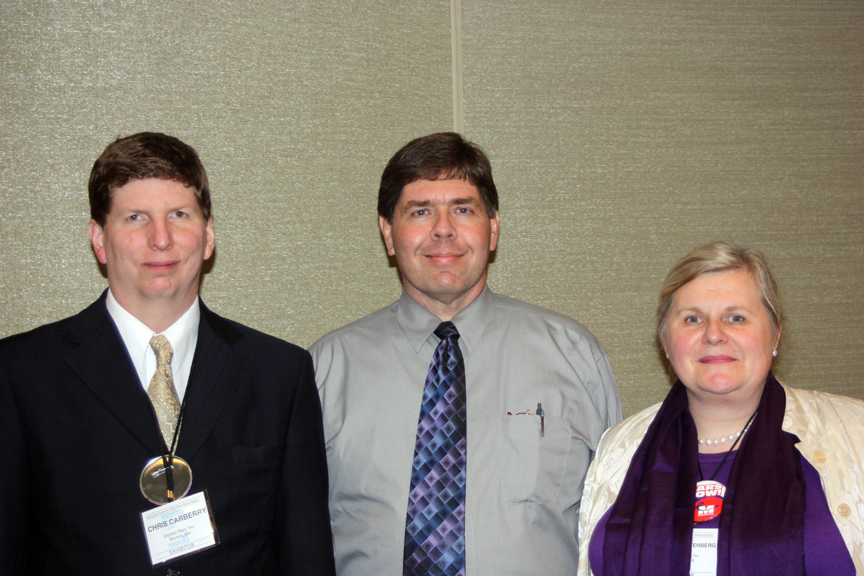
Me and Explore Mars

Chris Carberry, Myself, and Artemis Westenberg of Explore Mars

Back in San Francisco, I had just been awarded 3rd Place in the Mars Education Challenge by Bill Nye (yeah, that guy) and by the Explore Mars Foundation. That was on Thursday, March 10. On Friday, March 11 I attended a number of excellent presentations including one on an online student science project from Mt. Pisgah Observatory to classify stars based on their absorption spectra. Thousands of photographic plates with the stars’ light refracted into spectra have been digitized and made searchable. A spectrum from a star can be compared against standard spectra for major stellar classes and subclasses. I will incorporate this activity into my astronomy classes.

My second session was to be over in the Moscone Center on how to use the iPad in science education, a subject I’ve talked about here before, but when I got there the room was packed and people were standing in the aisles and flowing into the hall. This isn’t too surprising – as I saw later that day at the nearby Apple Store, the lines were very long (all the way around the block) and Apple employees were handing out fruit (apples, of course, and oranges) and granola bars just so people wouldn’t pass out from lack of food for waiting so long. The reason: the iPad 2 came out that day.

Apple lines

Lining up for the iPad 2 at the Apple Store in San Francisco

Instead of the iPad session, I went next door to a good session on project-based learning in the classroom, where a junior high in Lincoln Parish in Louisiana has created a program that is completely project based, yet covers all core curriculum. I found out more about it from the presenters afterward.

I had planned on going to more sessions, but since I was in the Moscone Center it seemed a good time to check out the dealers exhibit. The exhibit hall is a huge, cavernous space with the big name companies jockeying for prime spaces by the main entrance and smaller companies along the aisles in the back corners. I was ostensibly looking for the Explore Mars booth, but I systematically covered the floor and visited anything that caught my eye, picking up a lot more materials to take home than I really wanted to. I was glad I left some space in my suitcase. I finally found the Explore Mars booth on the NSTA aisle (the competition was sponsored by NSTA) and I reported in to Artemis and Chris, who said that the first place winner had arrived and that we would have another small presentation later that afternoon.

I went to lunch, finding a place about a block away called Mel’s Diner. As I sat down at a stool at the counter, the person sitting next to me turned to me and said, “Well, Dave, how are you?” It was Eric Brunsell, who now teaches at the University of Wisconsin at Oshkosh. I first got to know Eric through the NASA/JPL Solar System Educators Program (SSEP), the same group I had dinner with the night before. Eric was with Space Explorers, the group that managed the training sessions for SSEP. We had a good talk about what he’s been doing and on the problems currently being faced by teachers in Wisconsin, where the governor is trying to destroy the teachers union and cut teacher benefits and retirement.
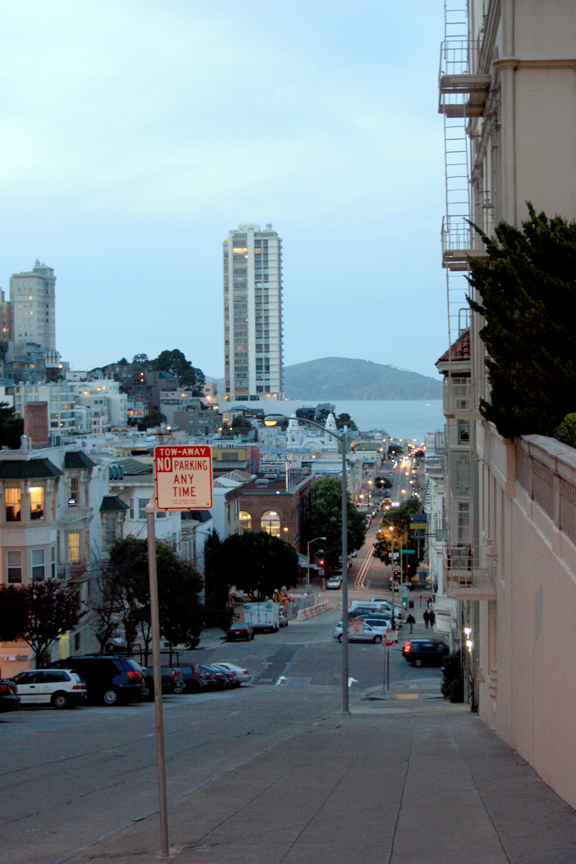
Down to the Bay

Looking down to San Francisco Bay from the top of Nob Hill

Back at the Moscone Center, I reported in at the booth and met Howard Lineberger, the first place winner. Andrew Hilt (2nd place) and Howard and I stood with Artemis and Chris and officials from NSTA for more photo ops, and were interviewed by Chris on camera on our feelings about Mars exploration. Chris and Artemis had to go to another reception, so they asked us to man the booth until the end of the day. Andrew and I talked to anyone who was interested about the competition and showed them our lesson plans.
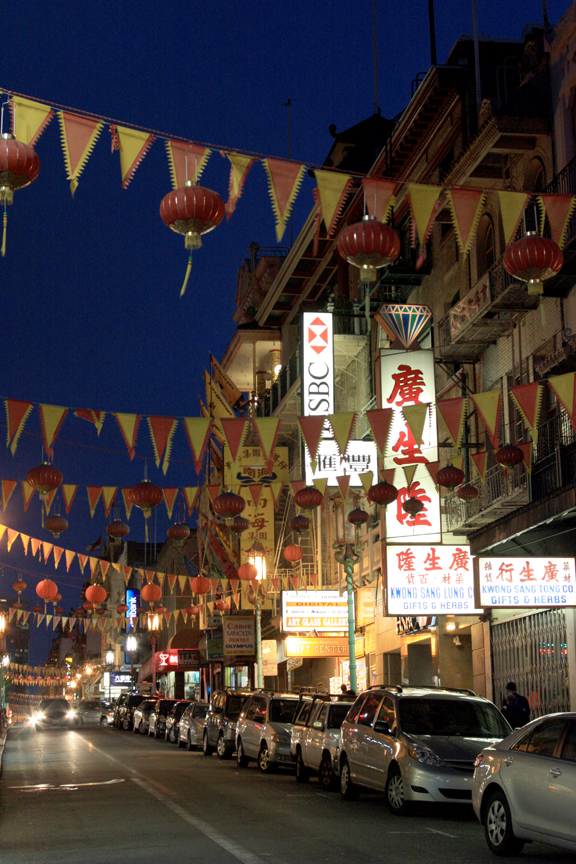
Chinatown

Chinatown in San Francisco

Afterward, we decided to walk up to Chinatown for supper. We headed to my hotel to drop off my stuff, then to Andrew’s hotel, then we walked up Nob Hill. We wound up going too high (it is quite a steep hill and we got a good leg stretching) and had to wander back down to the east into Chinatown. I found a really good Chinese bakery, where we sampled the yedz (coconut rolls) and I later bought a koushu binggan (kind of a graham cracker cookie). We found a promising SzeChwan restaurant and had supper. I found out the Andrew and Eric Brunsell are friends and have worked on common projects together. Small world! We also compared notes on our astronomy classes. We walked back down to where our hotels were, and I said goodbye (Andrew is heading home tomorrow). I found a good souvenir cable car ornament for my wife, then headed back to my hotel.
Read Full Post »

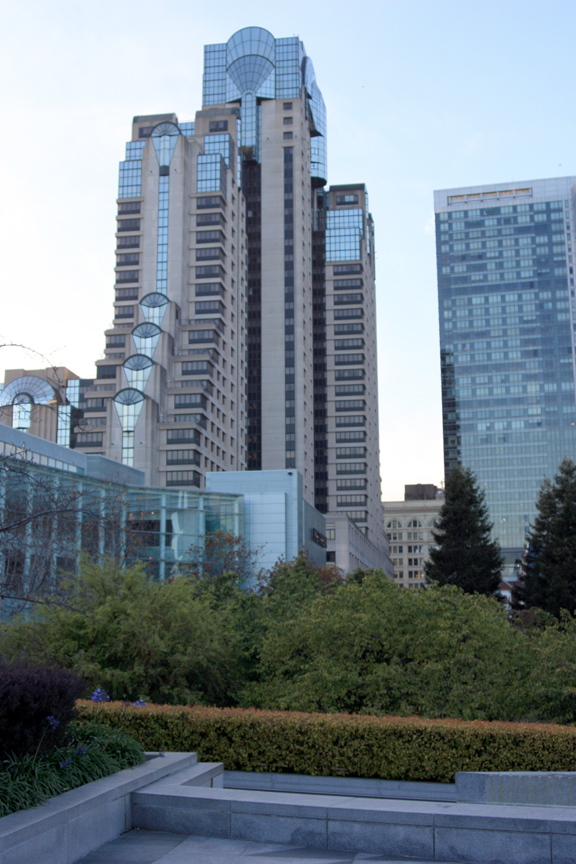
Marriott Hotel

Marriott Hotel in San Francisco

On Thursday, March 10, I experienced my first full day of the NSTA Annual Conference in San Francisco. It was a remarkable day for me, for several reasons. I attended some excellent sessions with ideas on how to improve my teaching of chemistry and integrate technology into my classroom, I presented a session on this project (The Elements Unearthed) and the Science Demonstration Program at Walden School, and I received an important honor from a well-known person.

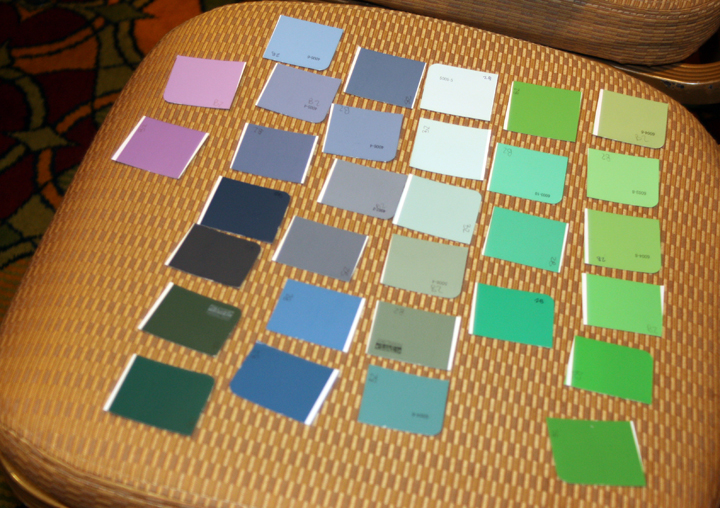
Periodic Paint Swatches

Periodic Paint Swatches: An Introduction Activity to Periodicity

All of my sessions today were at the Marriott hotel, right across the road from the Mosser where I stayed. My first session taught me an easy to implement idea on how to introduce the periodic table and the idea of periodicity of the elements using paint swatches from a hardware store’s paint department. Students are given a variety of basic hues with variations in tint and shade and are asked to put them into a meaningful two-dimensional array. In educational parlance, we would say this type of activity is de-contextualized (that is, removed from the context or content of the lesson far enough that students can easily relate to it). The presenters (Jesse Wilcox and Scott Moore) went further to suggest how to do the next step: an alien periodic table with missing elements very similar to what I already do (more contextualized), before introducing the actual periodic table (full context).

My second session was by D. J. West, a Senior National Science Consultant with McGraw-Hill, on good websites, sources, and ways to integrate Web 2.0 technologies into the classroom. He mentioned quite a few that I hadn’t heard of, and I now need to check them out and start using them.

My third session was on ways to improve Back-to-School Science Nights, which we will be doing in May.  Bruce Wear gave many ways of improving my planning and execution that I hadn’t thought of and which will come in handy. He presented about 25 steps and ideas, and he also showed some simple activities for physical science demonstrations that will be useful if I teach physics next year.

After lunch, I attended a session by the folks at Google on how to use Google Earth, including many features such as how to access new layers of data that can be found freely on the Internet. They mentioned that when natural disasters strike, they try to act quickly to provide before and after imagery, such as images of New Orleans before and after Hurricane Katrina. Little did we know they would have need of such fast data updating just the very next morning. I loaned the presenter my MacBook Pro video dongle, and they promised to send me something (what I don’t know).

The Google session was in the Pacific C room, which was where my presentation was to be held, so I stayed and prepared. I had finished creating some sample videos of my student’s presentations and of my visit last fall to Cripple Creek, Colorado. Here’s the Cripple Creek Video (which I will add to the downloads page along with the chem demo videos over the next few days).

I knew my presentation would be pushing the hour limit, but I wanted to show recent progress. My title was “Sharing the Stories of Chemistry in Your Community Through Video.” Perhaps a bit esoteric, so I knew my audience would be fairly small. I also knew I was going up against Bill Nye the Science Guy, who was speaking as the Executive Director for the Planetary Society. Despite all this, my presentation went well; I had six people there by the end and one stayed after to talk more about what I was doing. I had been promoting my session rather shamelessly all day, and quite a few people expressed interest, but not many of them came. At least they have my e-mail and can contact me if they want information.

I took my computer back to the hotel, then walked back to the Marriott for the reception I had been invited to. This was from 5:30 to 7:00. It was for ExploreMars, the organization I’ve mentioned that is promoting the human exploration of Mars within the next ten years. Here’s the press release:

http://www.exploremars.org/education/MEC_FinalPressRelease.php

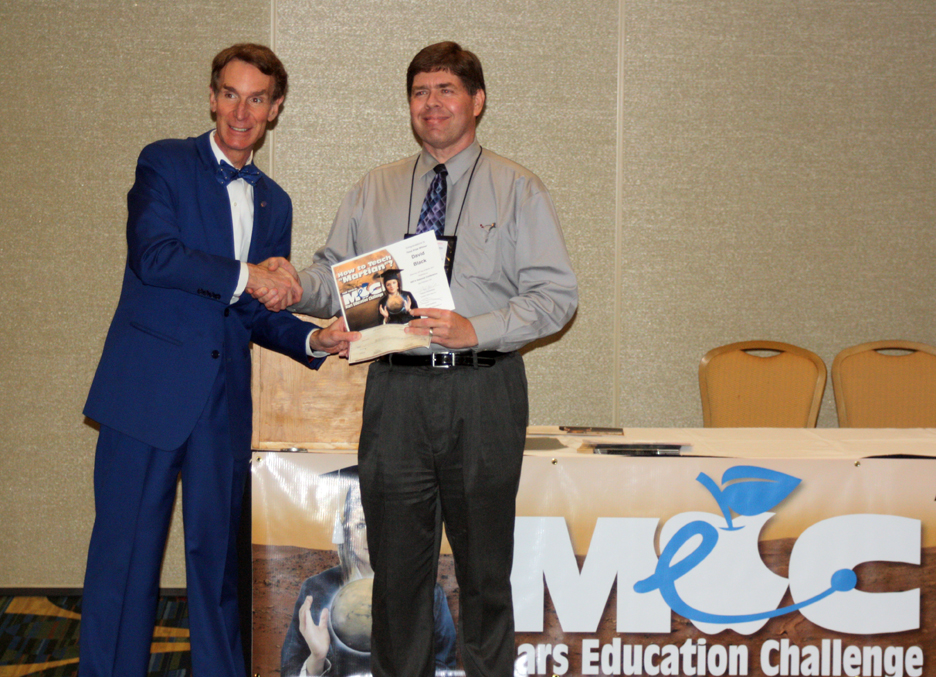
Artemis Westenberg and Chris Carberry were there to make the awards. They began just one year ago, and one of their first projects was to create the Mars Education Challenge, where high school teachers create curricula and lesson plans that promote Mars exploration and science as part of regular classes. I had submitted several lesson plans at the end of January, and I was notified on March 2 that I had taken third place in the contest, which not only means a nice award check but some money toward my travel expenses to this conference. It was a very nice day when I got the e-mail saying I would receive this award (I did quite the dance of joy in my classroom)!

Major Award

Third Place Award for the Mars Education Challenge, presented to me by Bill Nye

The second place winner, Andrew Hilt, and myself were there to receive our certificates and checks – handed to us by Bill Nye himself. So maybe Bill competed with me for attendees at my afternoon session, but he kind of made it up to me. Andrew and I both said a few words about why we were competing and how we decided to do this. Andrew is from Wisconsin and spoke about the controversy there where the governor is trying to eliminate the teachers’ union and cut back on salaries, benefits, and retirement in a misguided attempt to cut expenses by cutting back on education (which will only come back to haunt them). He mentioned how under-appreciated teachers are, and how hostile many people in Wisconsin are just because teachers ask for the same rights to collective bargaining that other workers have. I spoke on my visit to the launch conference for the Mars Odyssey probe, and how I watched the moon rise over the Atlantic Ocean, and decided then to dedicate myself to promoting Mars education, just as ExploreMars has done.

I ran into several Solar System Educators during the day and Nancy Takashima invited me (or I invited myself . . .) to dinner at Buca de Beppo. I was a bit lake because of the reception, but had a chance to talk to Shannon McConnell from JPL, who is now the lead education director for the GAVRT (Goldstone Apple Valley Radio Telescope) program. Julie and Gary Taylor, Nancy, Martin Horejsi, Kay Ferrari, and others were there, and it was fun to get back together with them even though I am not active in the program any longer. But now I’m back in a high school setting, teaching science once again, maybe its time to get hooked back in.

It was quite a busy and exhausting day. I learned much, shared much, was rewarded for my time and efforts, and met up with old friends. A great day!

Read Full Post »

The Mosser Hotel

The Mosser Hotel, San Francisco

The last two weeks have been crazy busy as our third term has ended, our Intersession classes have begun, and I’ve prepared to travel to San Francisco for the National Science Teachers Association Conference.

During Intersession our history teacher at Walden School (Eric) and I have put together a CSI class, coming up with a scenario, clues, evidence, witnesses, etc. On the first day, we trained the students what to expect and divided them into groups, including three students to be lead detectives. I also ran them through my old “Murder on the Carob Bean Queen” activity, where they must solve a paper mystery that requires group collaboration. On Tuesday we planted the evidence, including a very well made up dead body, multiple sets of footprints, and various physical clues. I even got some beef blood from the local supermarket and splattered it over the scene (getting quite a bit on myself – I was a bit overenthusiastic on how I smacked the container). While I was doing this, Eric had the students inside with a guest lecturer from the medical examiner’s office. She brought slides. I was glad to miss it. Then we took the students outside to the crime scene and had them collect the evidence. They did pretty well, except they only got two footprints cast, the rest of the prints either being ignored or obliterated as the team walked all over the scene. Wednesday we started cataloguing and analyzing the evidence, as witnesses started to come forward and the crime started shaping up.

Lobby of the Mosser

Lobby of the Mosser Hotel, San Francisco

At the same time, I was busily getting my bags packed, last minute changes on the presentations ready (including quick videos of Cripple Creek and my students’ chemistry demonstrations), and all the details done that must be done.

On Wednesday afternoon, I flew on a small Skywest Puddle Jumper from Salt Lake to SFO. I sat by a pre-teacher from Louisiana State, behind two other teachers, and they behind yet another teacher, all going to the conference. There must have been quite a few more on the same plane. We teachers are quite the gregarious bunch.

The plane flight was uneventful, and in between chatting with the other teachers I watched an episode of Star Trek Enterprise on my laptop. There’s just something oddly fulfilling about watching Star Trek on a laptop computer while flying at 35,000 feet. We had a nice view of San Francisco and the Golden Gate Bridge from the air as we circled around to land. I rode into San Francisco on a SuperShuttle van with yet more teachers to the Mosser Hotel. I selected the Mosser because it is inexpensive (about $60 per night, which is really good for a San Fran hotel). The drawbacks are the tiny rooms and shared bathrooms, but the beds are comfortable and the hotel staff friendly. After settling in, I walked over to the Moscone Center and picked up my registration packet. I found a Mexican restaurant in the Metreon, and sat with a teacher named Matt who teaches in an ex-patriot school in Bangladesh. We had an interesting conversation about the challenges of teaching in a country with such severe poverty and population issues; he tried to paint a picture of just how terrible the traffic is, for instance, and how prone to disasters of every sort the country is.
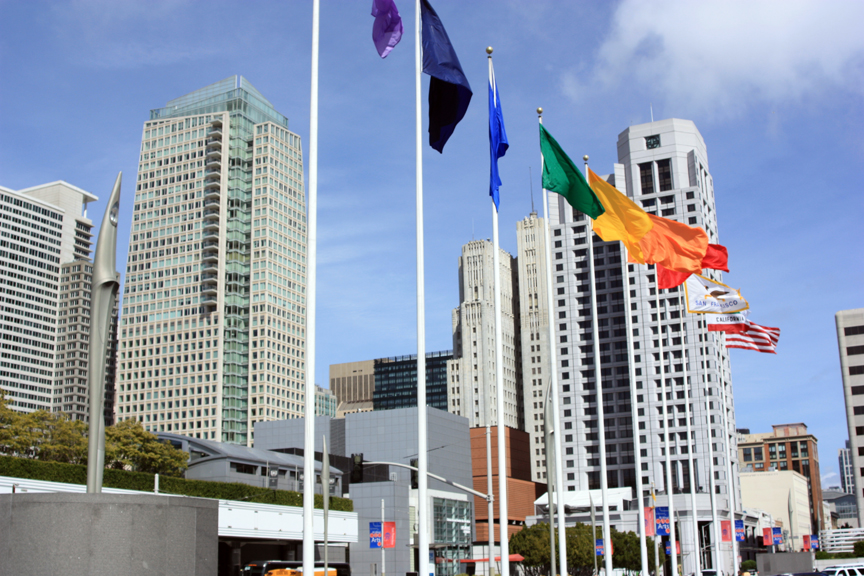
San Francisco skyline

San Francisco Skyline from the Moscone Center

After dinner, I returned to the hotel and crashed. It was a long day, and tomorrow will be very eventful. I present the Elements Unearthed project, and I have a reception to go to where I’ll receive a “major award” (although not from France or in a box marked “Fragilé”). Just thought I’d end on a note of suspense . . . .
Read Full Post »

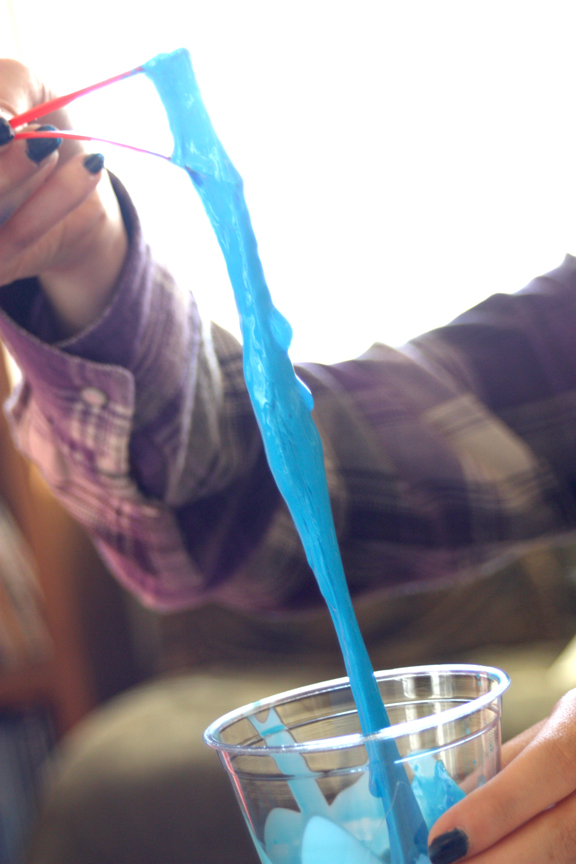
Blue gak

Blue gak, part of a student demonstration

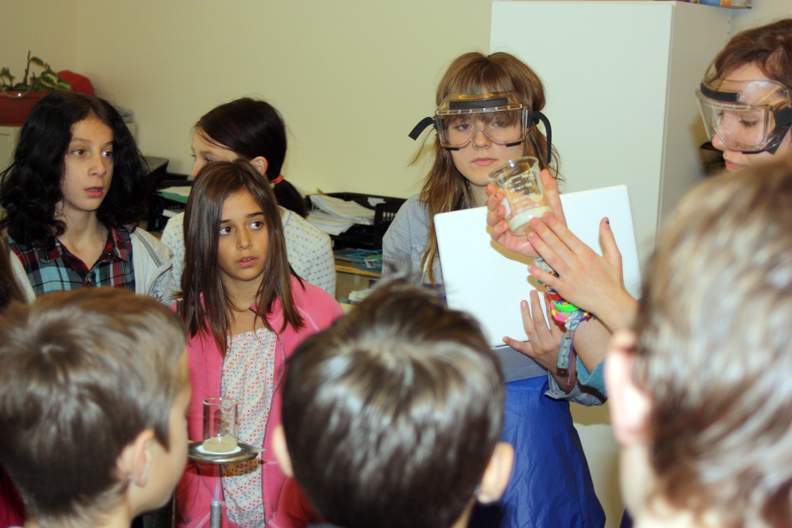
Last December right before winter break, my chemistry students prepared demonstrations to present to each other and to the elementary classes here at Walden School. This was their first attempt at it, and they received evaluations from me and from their peers with suggestions on how to improve. Now we have just finished the second round of presentations, and each team has added new features and made improvements.

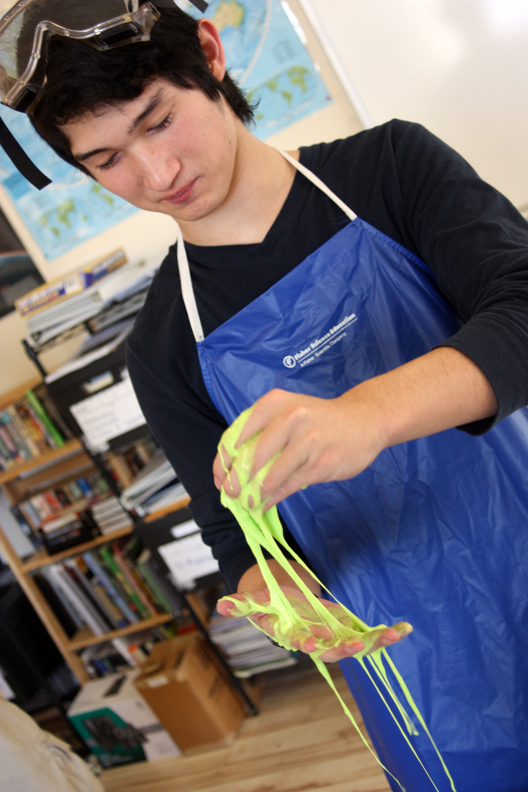
Green slime

Green Slime

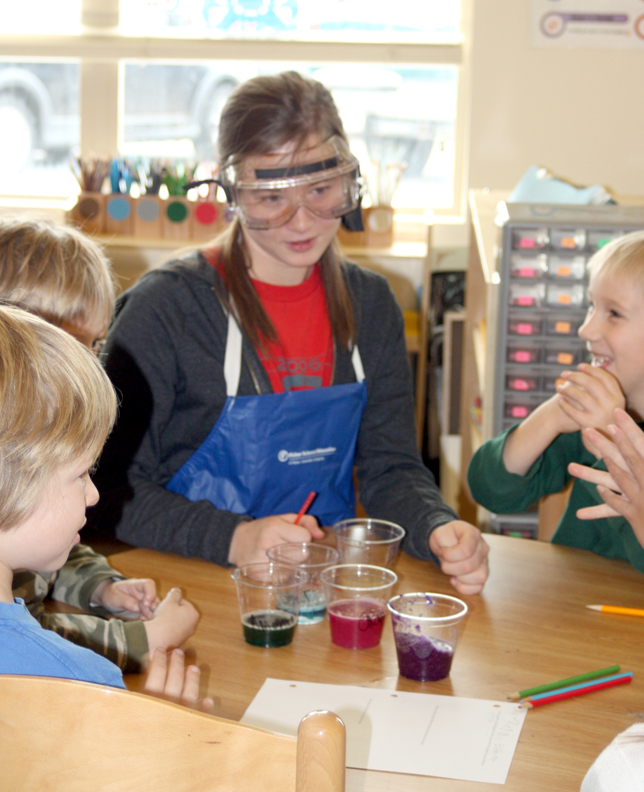
I had each team improve their presentations in four areas: first, their presentation skills, such as speaking with good diction, showing enthusiasm, and having a smoothly scripted and rehearsed narrative. The second area was improving the visual appeal of their presentation by adding some sort of poster or handout that could be used as an activity for the audience while the team sets up. Some of the groups made posters, some made paper games such as word searches or worksheets. The third area to improve was to add a multimedia component, such as a powerpoint slide show, a video, or a game. The final area for improvement was to make their presentation more hands-on for the audience, such as having more audience participation, or some sort of kinesthetic activity, or turn the presentation into an inquiry-based lab.

Girl with pH samples

Girl with pH samples

The results were very good; all the presentations have improved. Their science content was already good, but is deeper and more engaging now. By adding slide shows, posters, games, activities, and participation, they have gotten their audiences much more involved and excited.

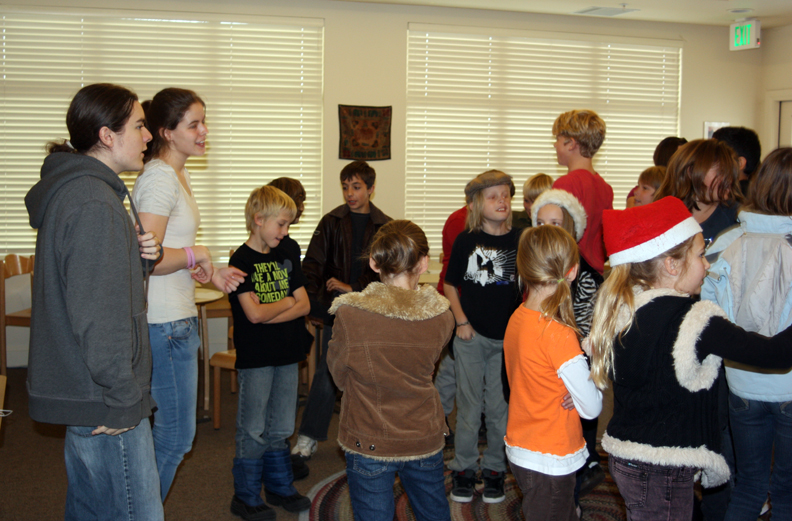
Here are some examples: One group presented on the properties and uses of silver, and their demonstration was how to untarnish silver. They not only had a good slide show, but created a kinesthetic activity where the elementary students linked arms to form first silver sulfide (tarnish) and aluminum, then reformed to create aluminum sulfide and pure silver. This demonstrated the idea of conservation of matter in chemical reactions.

Sofia activity

Sofia leads a kinesthetic activity

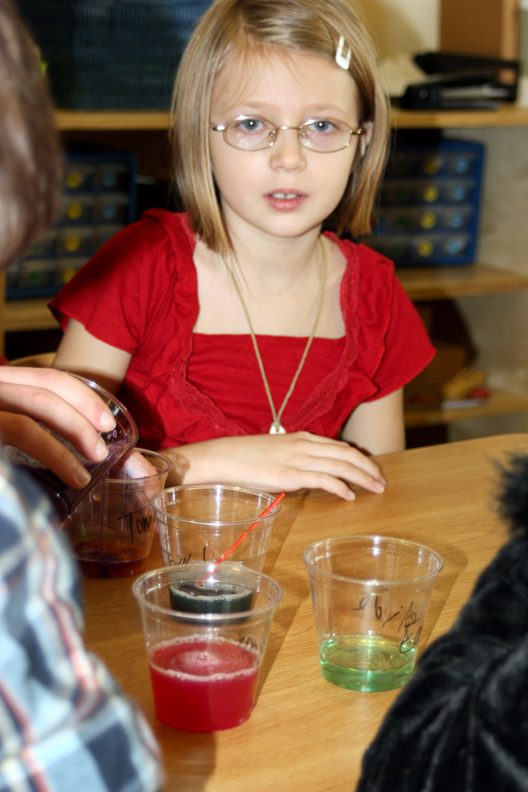
The cabbage pH group turned their presentation from a demonstration into an inquiry lab by pouring samples of many types of household chemicals and food (such as grapefruit juice) into small clear plastic cups, then having the elementary students predict whether the chemicals were acids or bases, then use the cabbage juice to prove their guesses.

Marni and kids

Testing the pH of household chemicals with cabbage juice

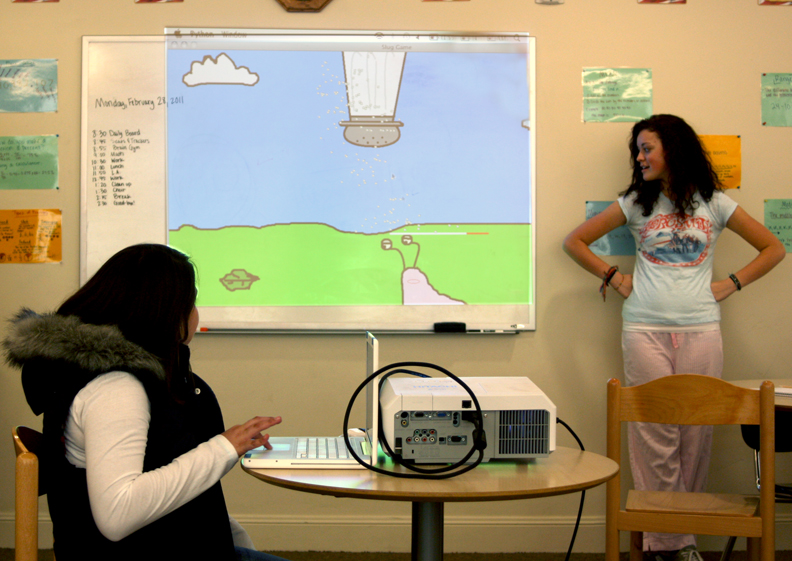
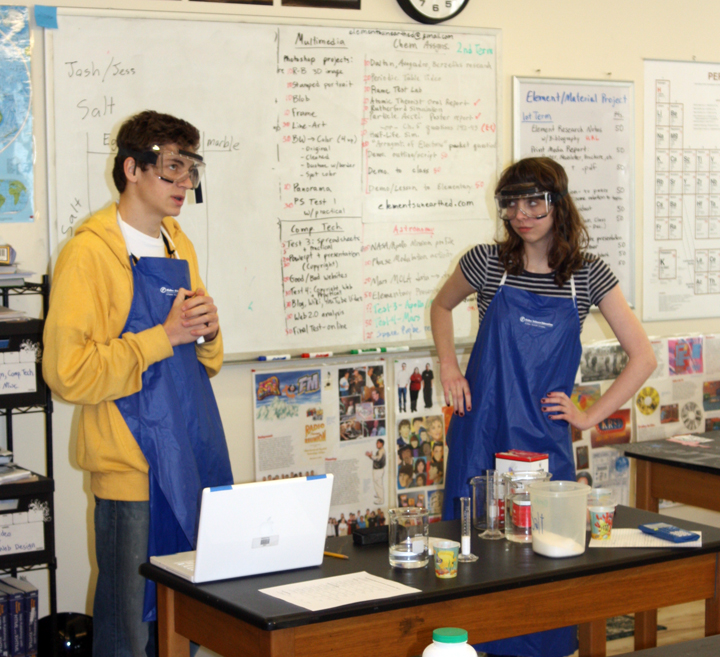
My favorite improvement was in the saltwater density group; they had some difficulty during their last presentation with not having practiced enough and having things not work out as planned. This time it went smoothly, and they even created a computer video game called Salt the Slug. Jess created the graphics and Josh did the programming. The purpose of the game is to use the trackpad of the computer to shake a salt shaker up and down, shaking out salt onto a slug that is crawling across the screen trying to steal food. If the player can kill the slug before it gets back to its home with the food, he or she wins. Yes, the concept sounds a a bit cruel but it taught the idea of osmosis and concentration of solutions and besides, the graphics were hilarious. The elementary students were jumping up and down for a chance to play, so the team had to ask them some review questions to decide who would get a chance to try the game out.

Slug game

"Salt the Slug" game by Jess and Josh

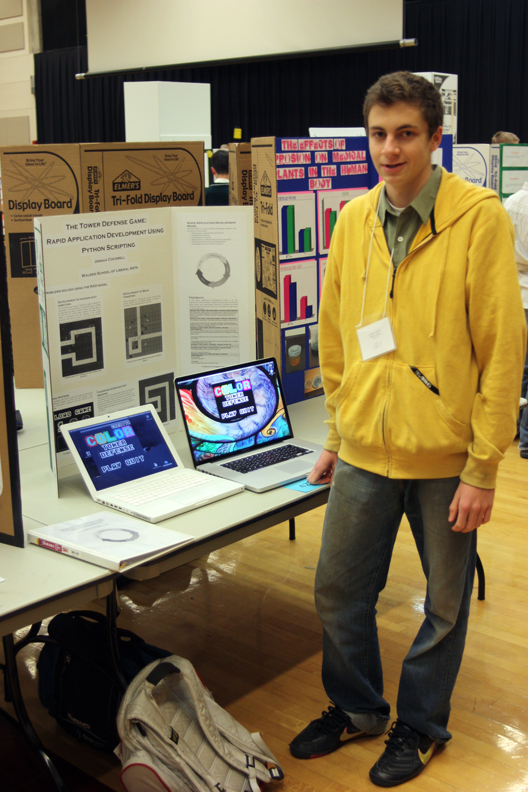
Josh has become an excellent game programmer and created another game, which he has been working on for a year, where the player places towers that then shoot into a maze to repel invaders. He presented this game at the Charter School Science Fair for all of central Utah, and now has qualified to go on to the regional science fair at BYU in late March. I was a judge at the fair last week, and it was amazing to see the caliber of some of the projects.

Josh at science fair

Josh at the Charter School District Science Fair, Feb. 24.

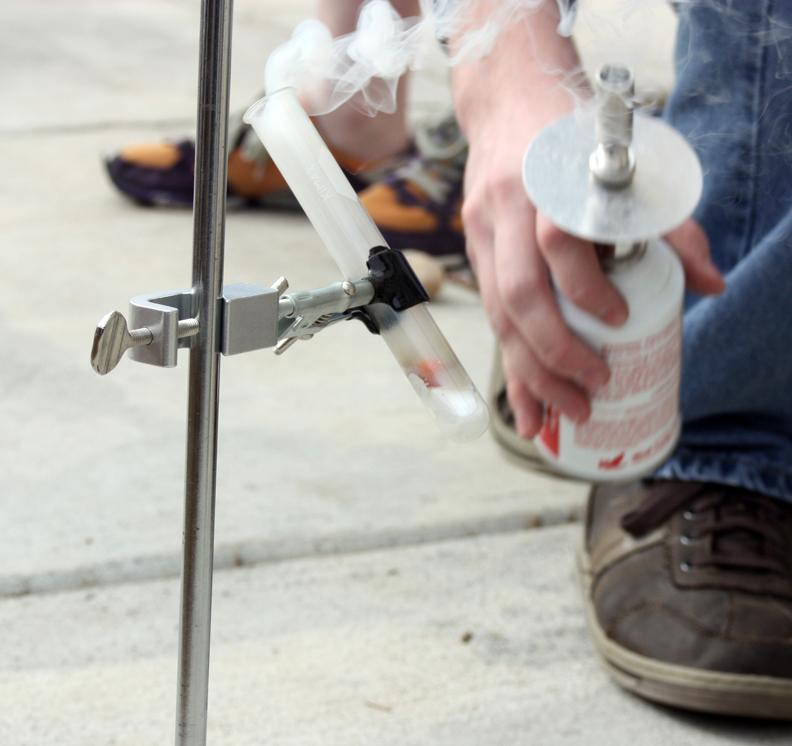
One of my favorite things about doing these presentations is that many of my high school students have younger siblings in the elementary classes; what better way for my students to show off what they’ve learned, and how they can do science, than in front of their younger brothers and sisters? Dallas, one of the students in the group that demonstrated gunpowder had his little sister in the class. They kidded each other a lot, and Dallas had to tell her, “Don’t get sarcastic with me, I taught you sarcasm!” This group also included a nice demonstration of the “toast the runt” reaction, where potassium chlorate is heated to start it decomposing and giving off oxygen, then a runt candy is rolled down the test tube as the fuel source, resulting in a stationary solid rocket motor.

Toast the runt

Toast the Runt: A Solid Rocket Engine

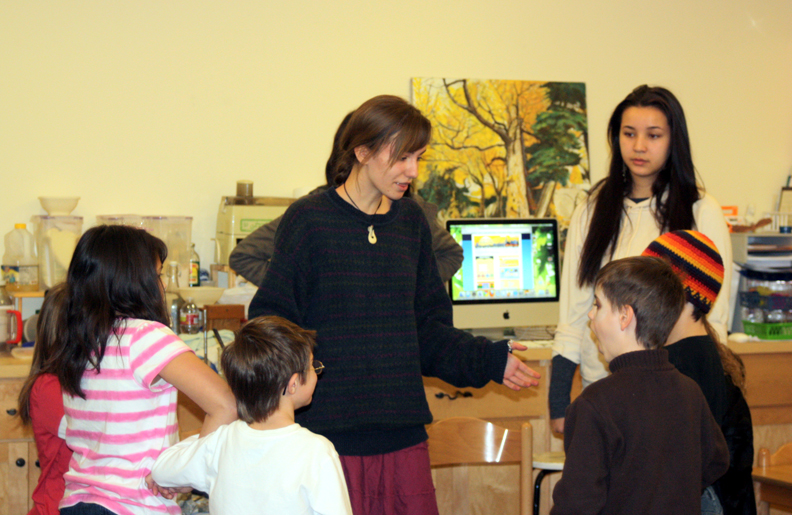
We had to reform some of the groups, since a few students had switched sections at the semester, but the same presentations continued. Those teams that presented to their peers last time presented to the elementary classes this time, and vice versa. Each team has now presented twice and received feedback. Now they will present one more time at the end of the year at our Mad Science Night, where their parents and siblings are invited and we will take over four classrooms and run simultaneous sessions. It will be a lot of fun, and their presentations will be amazing.

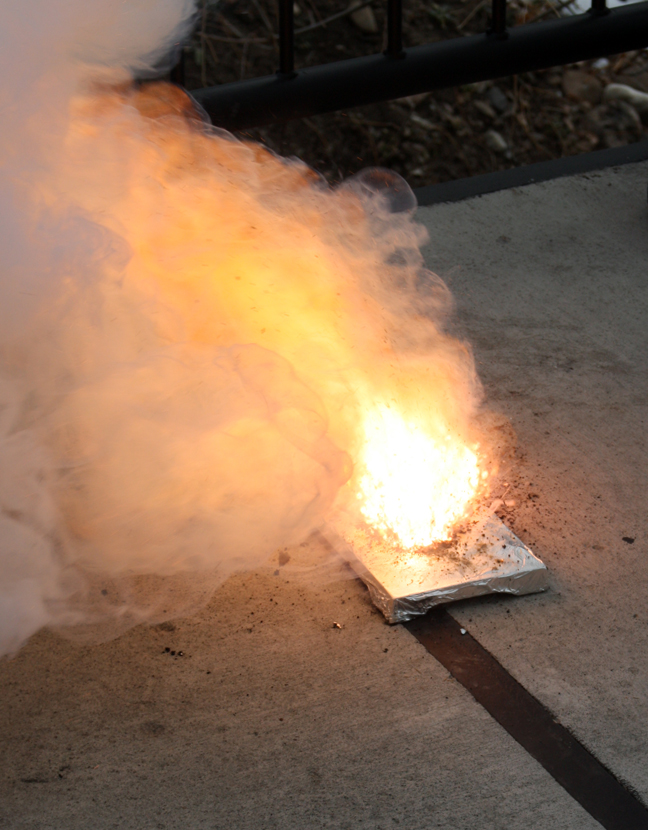
Carbon dioxide and magnesium

Burning magnesium in carbon dioxide gas

Meanwhile, it has been quite a bit of time since my last post. I haven’t been ignoring it; rather, I’ve been so busy teaching, grading, entering competitions (such as the Explore Mars competition I mentioned previously), creating some video projects on the side for clients, presenting at the Utah Science Teachers Association conference (the Mars lessons again), and preparing for my trip to the NSTA conference next week that I simply haven’t had a chance to do many blogs. However, I have quite a backlog of student written blog posts that I will be adding over the next week, then posting each day from San Francisco, so you’ll see quite a few posts this month.

Read Full Post »

I haven’t posted anything in several weeks because I’ve been very busy preparing entries for two major teacher contests, neither of which are related specifically to this blog. The first contest is for Curriculum Support Materials for the Explore Mars program, with teachers creating lessons and other materials about Mars exploration that can be incorporated into other classes and curricula, such as Earth science or astronomy or geology. I had been meaning to update and improve some lessons I’d put together several years ago for the NASA Explorer Schools program workshops I helped plan at the Jet Propulsion Laboratory.

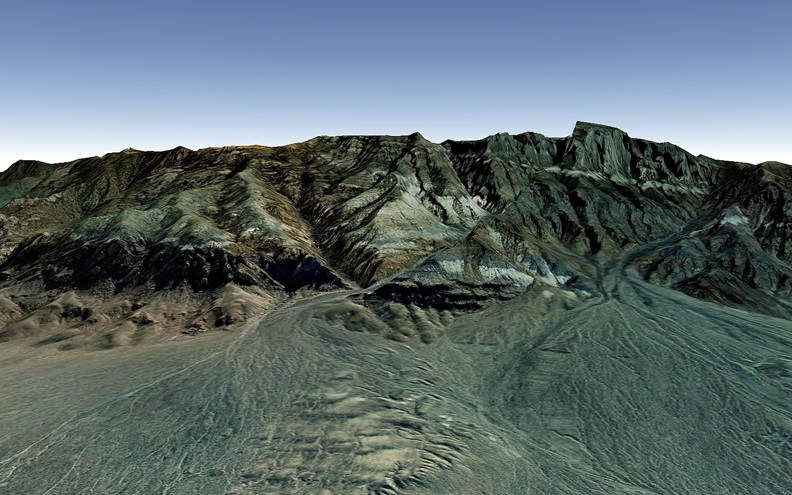
Alluvial Fan-Notch Peak

Alluvial fans at Notch Peak, Utah

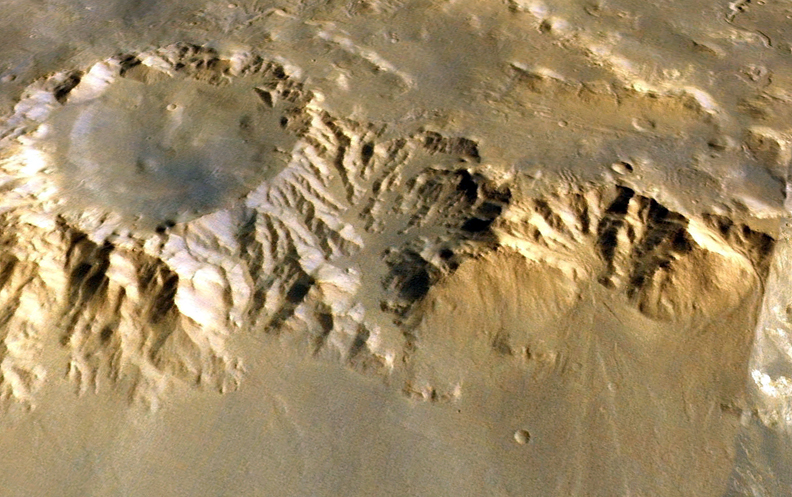
North Rim of Holden Crater

North Rim of Holden Crater on Mars

These lessons included a Site Selection activity, where teams of students use Mars maps to find suitable landing sites for Mars rovers (such as the upcoming Mars Science Lab [Curiosity] rover).

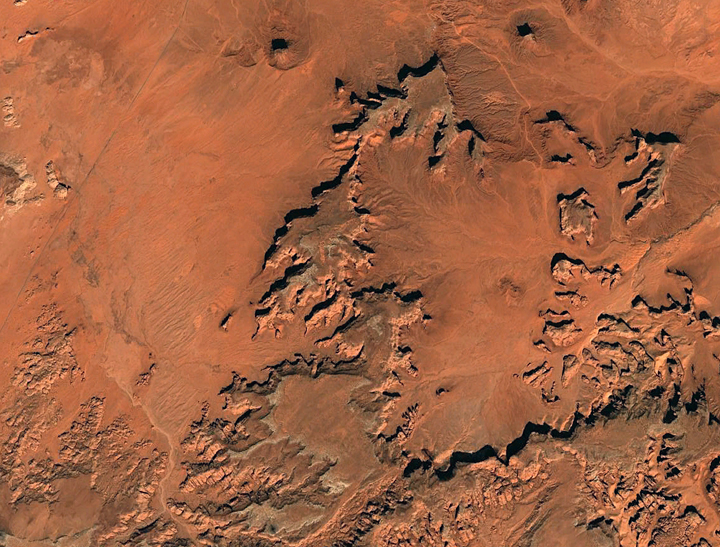
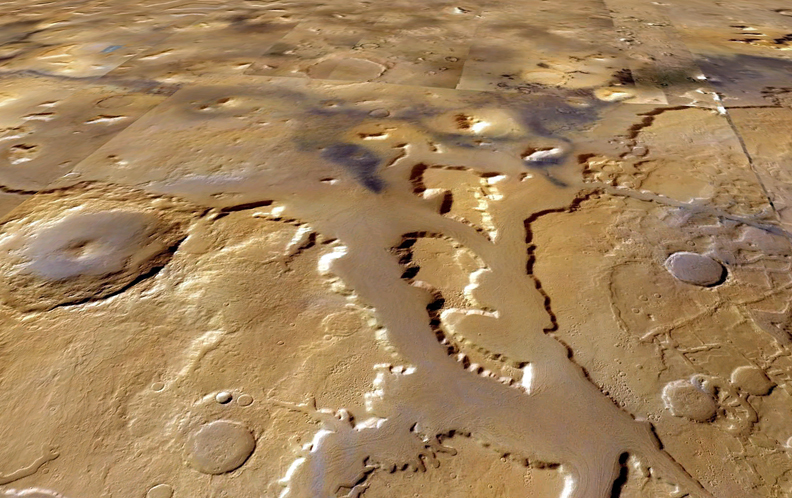
The second lesson was a new one, using Google Earth to compare and contrast landforms on Earth and Mars, such as alluvial fans in Holden Crater with alluvial fans west of Notch Peak in the House Range in western Utah. I located terrains in the Great Basin and used them as analogs for Martian terrains, with exact longitude and latitude, that could be looked up and viewed in 3D on Google Earth. I’m going to try this out in my geology class tomorrow. Here’s a .PDF of it.

(Teacher instructions): Mars_on_Earth-teacher

(Student version): Mars_on_Earth_Student

Monument Valley

Monument Valley, Arizona

Deuteronilus Mensae

Deuteronilus Mensae on Mars

The third lesson is an update of one I’ve used in my 3D classes and astronomy classes: to take a mystery box terrain and use a grid of holes in the box’s lid and a lollipop stick with measurements on the side to calculate the altitude of the hidden terrain at each grid location. This is an old activity, but my spin on it was to have the students take the data, type it into a word processing program as a .txt file, then use ImageJ software from NIH to translate the numbers into a grayscale image, which was cleaned up in GIMP and translated into a 3D model in Daz3D Bryce. It sounds complex, but converting data between various multimedia software packages is something I do all the time. In fact, this process can be used to visualize many types of scientific data sets in 3D. Here’s a .PDF of the activity  (teacher version): Mars_to_Model

I started uploading this lesson two minutes before the deadline (10:00 p.m. my time, Jan. 31) along with a Powerpoint (PDF version included here: Mars_Lessons_Overview ). But my e-mail suddenly bogged down (the Powerpoint was too large) and I finally had to submit the files in two e-mails. But then I got a bounceback saying the Explore Mars e-mail was full. After a few minutes of panic, I sent the files via an alternate route as an attachment to the e-mail address of the President of the organization, whom I had communicated with a few times before.

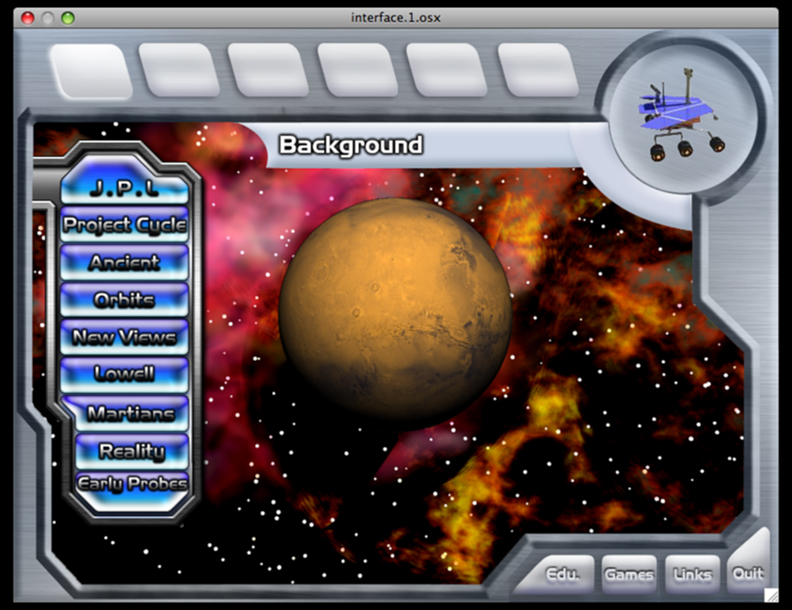
The next contest was the Apple Distinguished Educator program, and in addition to a long written application I needed a two-minute video showing how great I am at using Apple products. I’d spent weeks working on it, but the deadline was at 1:00 a.m. Feb. 1 (just three hours after the Explore Mars deadline) and by 12:30 I only had the final edit of the video done half way. So I never submitted the application. And I think I had a good chance. It’s just too hard to try to do two major contests at the same time. So I’ll have to wait another year and submit my application then, with any changes. I’ll keep chipping away at the video over the next two weeks and get it ready for next year, then all I’ll need to do is make a few changes and send it off. One good thing to come out of all the work was that I dug into my computer files and discs and found some things I thought were lost, including a working Mac version of the “Unveiling the Red Planet” interface my students designed back in 2004 as part of the Mars Exploration Student Data Team program they were chosen for. Much of the work for that project was lost because a hard drive I had saved the files onto was stolen out of my classroom. But I had apparently saved a few things elsewhere, which I was able to find. Here’s what the interface looked like:

Mars project interface

Mars project interface, 2004

This is always my greatest fear: that there will be a wonderful opportunity that I will either fail to find out about until it’s over, or I won’t be able to get the application done on time. But I’m also patient. For many of the best things I’ve had the chance to do, such as the NASA Educator Workshop program or being a NASA Explorer Schools educator facilitator, I had to apply multiple times over the course of several years. I kept trying, and each year as I applied I got better at it until these opportunities finally came true. I really wasn’t looking forward to spending a week in Phoenix in July for the training, anyway (yes, I know that’s “sour grapes” rationalization on my part).

But now back to the world of the chemical elements. I’ll have a new post soon. I received word two days ago that we’ve been selected by the Air Force Foundation to receive a $250 grant for use in our Elementary Science Demonstration program. This will certainly help to defray costs. Thank you, Air Force!

Read Full Post »

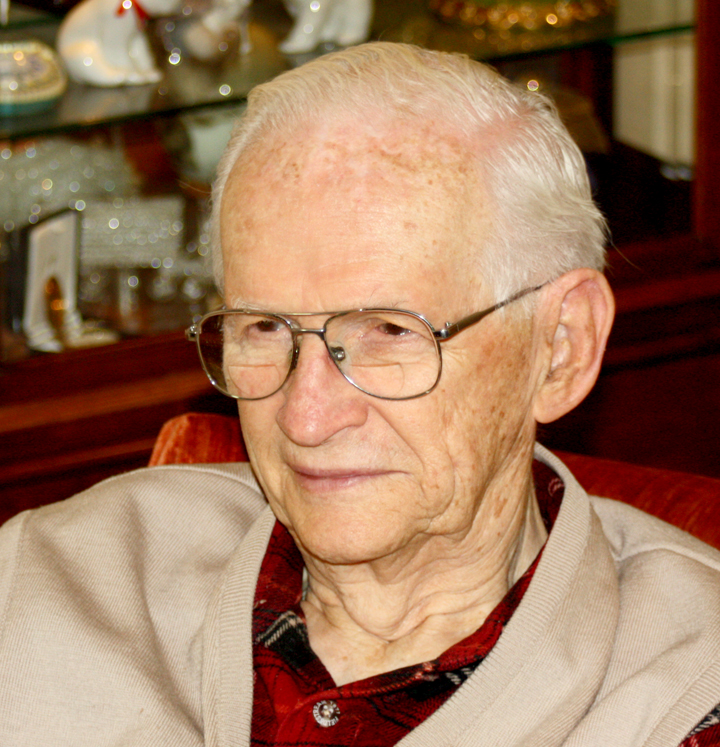
Reid Nixon

S. Reed Nixon, nuclear engineer

On Nov. 30, I had the privilege of interviewing S. Reed Nixon, who lives not far from where I do in Orem, Utah. I met him through my wife, who has known the Nixons for several years. Over the summer, we went to visit them and Reed told me of some of his experiences as a nuclear engineer on Admiral Hyman Rickover’s staff during the 1950s. I couldn’t pass up such an opportunity, so I arranged to bring over my video equipment and interview him on camera.

Reed got into nuclear engineering by chance. He started out by receiving a B.S. in electrical engineering from Caltech in Pasadena (where he had Linus Pauling as a chemistry professor – according to Reed, Dr. Pauling would nervously pace up and down the chemistry lab during his lectures, turning the Bunsen burner gas stopcocks on and off). This was in the late 1940s, after Reed had served two years in the Navy. At the time, Robert Millikan was Chancellor and would have the seniors and their parents over for tea each year. He told how gracious Dr. Millikan was to his mother at the tea party.

Upon graduation, he moved to Provo, Utah where he taught math part-time at Brigham Young University and then started working for Telluride Power Company, which ran the power utilities for southern Utah at that time before it was bought out by Utah Power and Light. Telluride Power Company originated in Telluride, Colorado when the mines there began to have trouble with ground water. The Nunn brothers bought out a number of mines, then contracted with George Westinghouse to design a hydroelectric power system based on alternating current as conceived by Nikola Tesla. This was the world’s first commercial AC system, which supplied power to the mines for pumps that kept the water at bay. Reed had some interesting stories about this original power system, including how it was difficult and dangerous to shut off. When the mines in the Tintic Mining District around Eureka, Utah began to have the same trouble with flooding, the Nunns built a hydroelectric plant in Provo Canyon (now the site of Nunn Park) and transmitted electricity about 40 miles across the valley to Eureka.

USS Nautilus

USS Nautilus, SSN 571

After a few years with Telluride Power, Reed heard of a new laboratory being built in Arco, Idaho to process spent nuclear reactor fuel rods. They needed an electrical engineer. This was about 1951, and nuclear reactors for generating power were a brand new invention. As Uranium-235 splits, it releases free neutrons, which in turn split other atoms. The fission byproducts, such as Barium-141 and Krypton-92 (among other isotopes), are themselves mostly radioactive. Some byproducts, however, are not, and they act as neutron sponges, so that of the three neutrons given off by a single U-235 atom, only about 2.5 are available to continue the reaction. Eventually these products poison the reaction, to where fission will no longer occur spontaneously. The Arco facility (now the Idaho National Laboratory) was built to take the “poisoned” fuel rods and remove the impurities, so that the remaining U-235 could be re-used in reactors. It also was the training facility for the prototype reactor for the USS Nautilus.

After a year or two at INL, Reed applied to receive training in nuclear engineering at Oak Ridge National Laboratory, which was the primary source of U-235 enrichment at the time. It was such a new field that only one textbook had been written, and he could see an opportunity to get in on the ground floor of a whole new technology. Hyman Rickover (later an Admiral) had recently been put in charge of developing nuclear reactors for the navy, and was sending his people to Oak Ridge as well. While there, Reed got to know the navy personnel and also finished as one of the top engineers in his class. His job at INL had meanwhile been eliminated, so he decided to take a chance and apply to be on Rickover’s staff.

Hyman Rickover

Admiral Hyman Rickover, father of the nuclear navy

Rickover was infamous for being a hard-driven workaholic. He was also abusive, profane, and intolerant of anything less than perfection in his subordinates and in the contractors (such as General Dynamics) who were building the first nuclear submarines. He personally selected his staff members and all officers in nuclear vessels until his retirement in 1983. His recruiting interviews were legendary; he was known for being so confrontational during the interviews that several candidates tried to attack him physically, and so he usually had his director of personnel in the room as well for protection. He would push a candidate to the edge – he already knew their technical qualifications or they wouldn’t have been there in the first place. What Rickover wanted to know is how much abuse the person could take.

USS Nautilus

USS Nautilus, SSN 571

Reed Nixon’s interview was probably the easiest one that Rickover ever gave. After Reed was accepted, his job was to act as a liaison with the contractors as they built the USS Nautilus (SSN 571) and USS Seawolf (SSN 575), making sure that all the specifications were followed exactly, even down to inspecting each weld on the reactor vessels with X-rays. Rickover was a demon for quality assurance, and would insist that contractors tear a system apart and start over if there was even the slightest flaw. Reed was a part of Rickover’s staff through the launch of both vessels.

Using nuclear reactors to power naval vessels has many advantages, especially for aircraft carriers and submarines. The power plant can operate for many years without refueling, so there is no need for tankers to follow along and act as targets for enemy torpedoes. Also, the old diesel subs during World War II were noisy and fairly easy to locate, since they had to run close to the surface in order to pull in air and discharge exhaust from the diesel motors. Nuclear reactors run quietly (no moving parts except the propellers) and have no exhaust, so they can run silent and run deep. Our “boomer” subs (those with nuclear weapons) are said to “hide with pride.” Nuclear carriers, such as the USS Enterprise (“nuclear wessels” anyone?) and the USS Nimitz, employ at least four separate reactors. They don’t need to take up a major portion of the ship with diesel tanks, so they can hold more planes and ordnance.

The Nautilus was the world’s first nuclear powered vessel, which used what is now a standard design of saturated water cooling. It was launched in 1954, and was used to test the feasibility of nuclear reactors on ocean vessels. Two of its first accomplishments were to sail under the North Pole (Operation Sunshine) and to sail all the way around the world underwater, thereby living up to its namesake by going more than 20,000 leagues under the sea. It was decommissioned in 1980 and is now a museum in Groton, Connecticut.

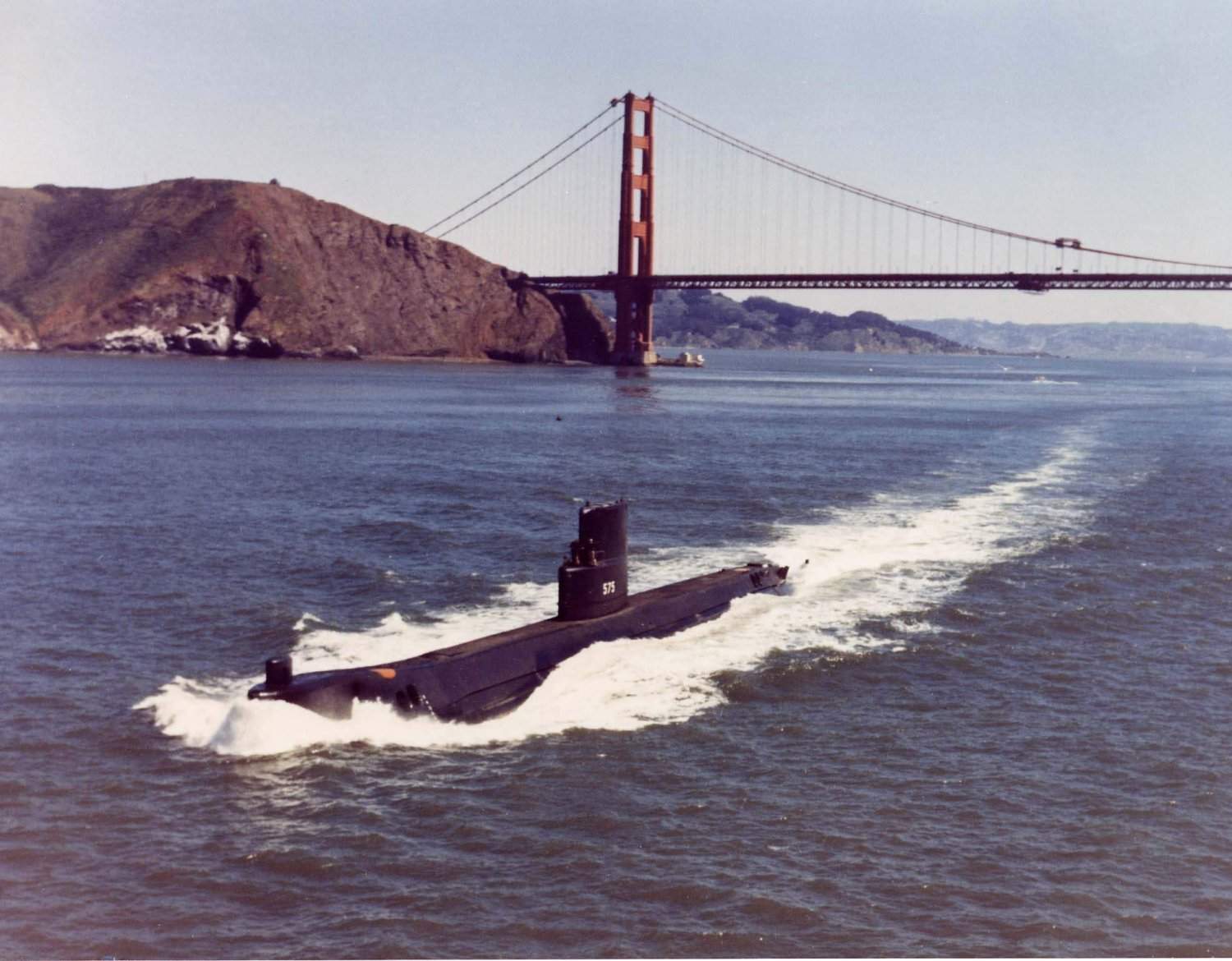
USS Seawolf

USS Seawolf, SSN 575

The Seawolf used a more advanced superheated water system with liquid sodium metal as the primary coolant. The sodium, however, was corrosive and difficult to maintain and the pre-heaters for the superheated steam rarely operated at top output. The Seawolf was known as the “Blue Haze” because of a sodium leak that occurred during the original reactor fitting. It was eventually refitted for a standard reactor in 1959. The liquid sodium reactor was sealed in a steal container and towed out to sea on a barge, then sunk 120 miles east of Maryland. The Navy has not been able to relocate the container. Originally launched in 1955, the Seawolf stayed in service until it was decommissioned in 1987 after a long and distinguished career.

Admiral Rickover’s insistence on perfect quality has led to our nuclear navy now having over 5400 reactor years and over 200 million miles sailed without a single accident or even a safety incident related to the nuclear reactors. This perfect operational record should convince the general public just how safe and reliable nuclear power can be, but unfortunately it’s a fact that often goes overlooked.

Reed Nixon worked in Rickover’s office for about two years. One memory he shared of his time there was a memo that Reed wrote to a contractor in which he said that, “we desire that you do the following . . . .“ Rickover wrote a caustic correction in the margin of the memo saying, “We’re the Navy! We don’t desire anything! We demand it!” Reed eventually left Rickover’s staff to work in the private sector as a consultant, promoting the use of nuclear power in industry. Rickover wasn’t at all happy for him to leave.

The Nixons

The Nixons

Our interview ranged over many subjects, from Nikola Tesla to nuclear reactions and the disposal of nuclear waste, such as the radioactive byproducts that had been removed from fuel rods at INL. Reed Nixon was very generous with his time, and it was a pleasure to hear these stories of the dawn of the nuclear age.

Read Full Post »

Gay eyeballs

Making gak eyeballs at Walden School

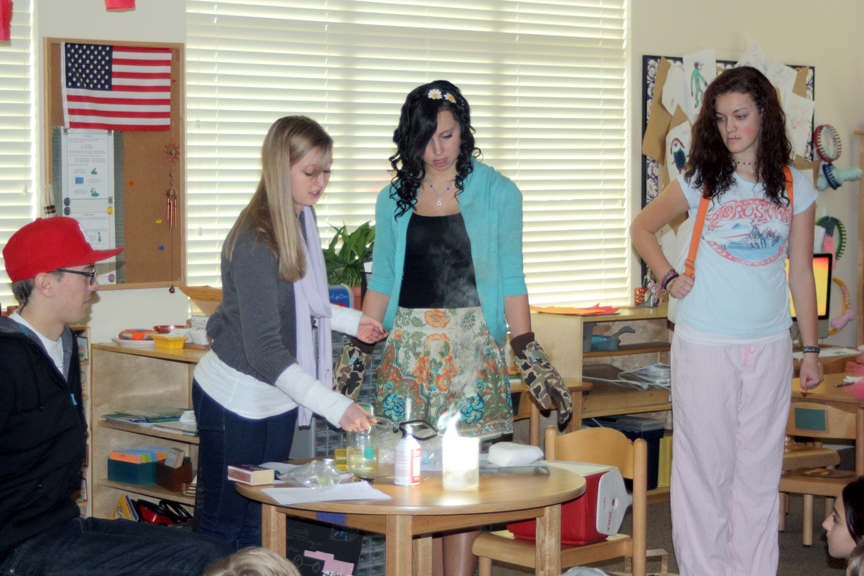
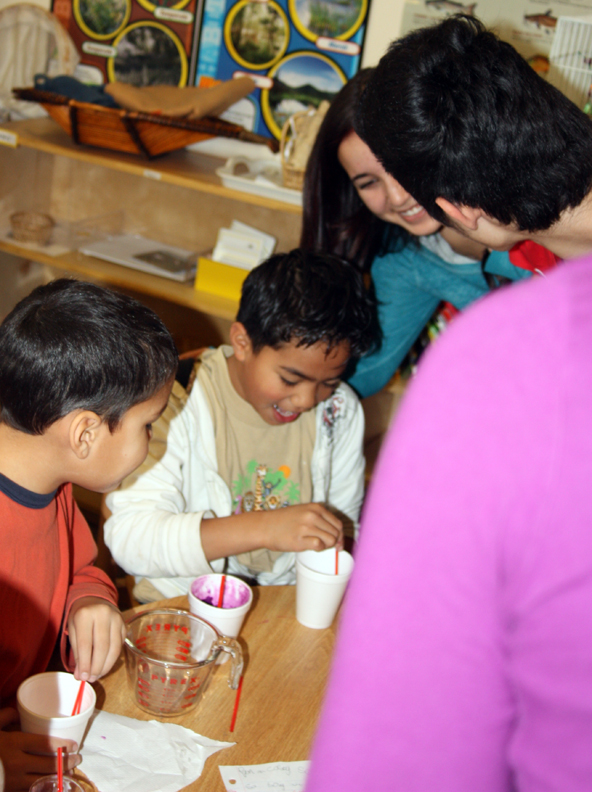
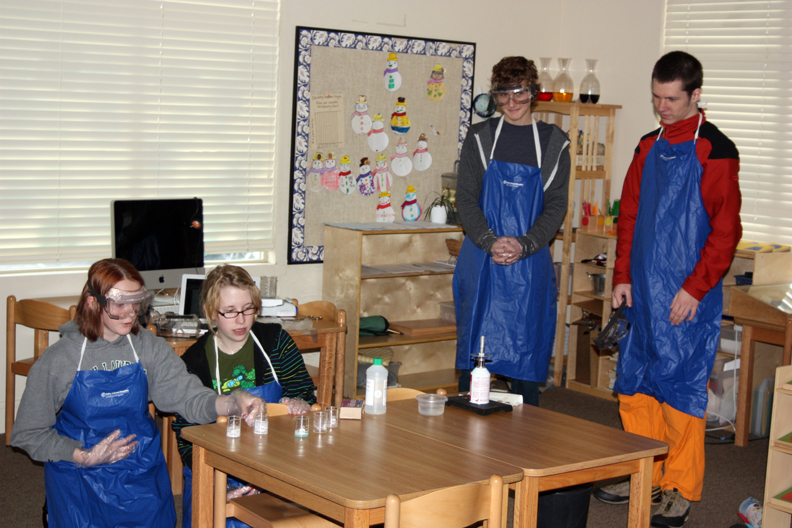
This last week was our final week of Fall Semester at Walden School, and for their final test my chemistry students planned, practiced, and presented chemistry demonstrations to their peers and to Walden’s elementary classes. Altogether five groups of students presented to the elementary school on Wednesday, Dec. 15 and the rest of the student teams presented on Friday, Dec. 17.

I’ve discussed my rationale for doing this in previous posts: that this is an excellent method for generating excitement about STEM in elementary students as they see their older siblings and high school students working with and presenting science. Certainly the younger students were very excited and attentive; they were eager to participate and asked good questions.

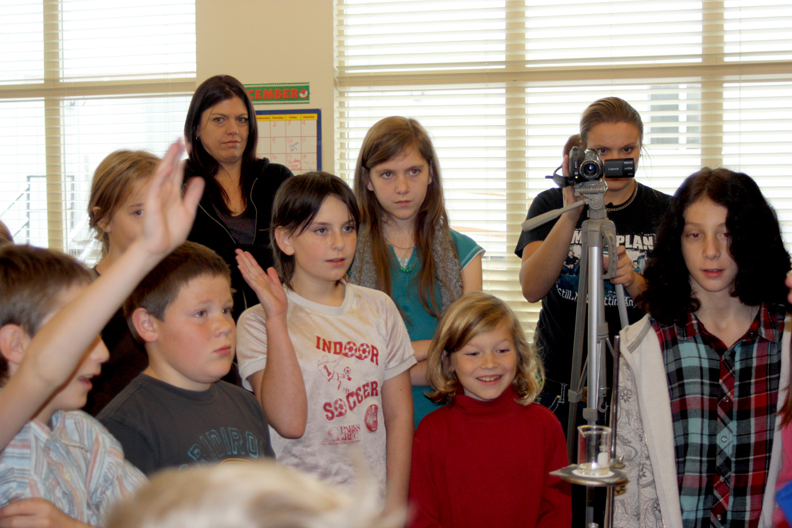
Raising hands

Students at Walden School participating in chemistry demonstrations

For me, though, the real reason for doing anything in my classes is always how it will benefit my students. Taking 3-4 days out of our curriculum to practice and present these demonstrations is hard to justify unless it has strong pedagogical advantages. The justification is this: as my students write up their demonstration scripts and outlines, as they practice talking about the science they are presenting, and as they prepare to answer questions from the audience they are thoroughly learning the chemistry behind their demonstrations. They are going beyond hands-on labs to share what they have learned, and that learning will be indelible.

Karlie and Sofia

Karlie and Sofia demonstrate hand warmers

The topics of the demonstrations had to related to the individual element/materials research project of one of the group members, which they are continuing to work on. Here’s what was presented:

Sofia, Karlie, and Jerry demonstrated the principles behind hand warmers by showing the rapid crystallization of sodium thiosulfate crystals that had been heated and then cooled down. They also talked about crystals in general.

Making gak

Mari and Casey help students make gak

Ryan and Casey, with help from Chelise, Lindsey, and Mari, demonstrated how to make gak (a polymer made out of white glue and borax powder). This is an old standby demonstration, and the kids really enjoyed it.

Copper demonstration group

Genny, Rachel, Jared, and Morgan demonstrate copper's properties

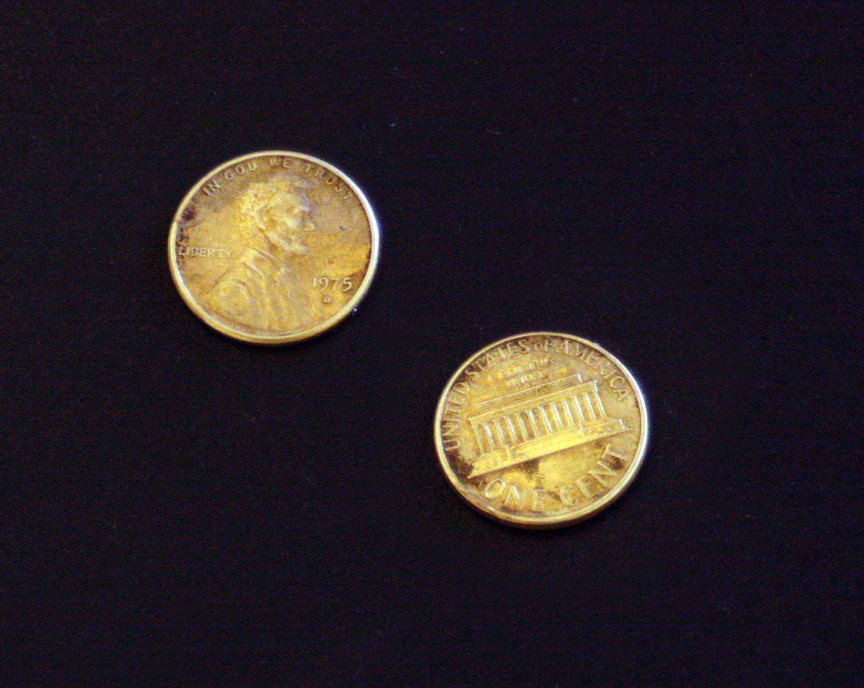
Genny, Rachel, Morgan, and Jared demonstrated aspects of copper chemistry. They handed around samples of copper ore (Rachel’s uncle is an engineer at Rio Tinto’s Bingham Canyon Mine in Utah) and showed a methanol version of a flame test (including copper salts). Jared demonstrated the alchemist’s dream reaction: turning copper into gold (actually brass).

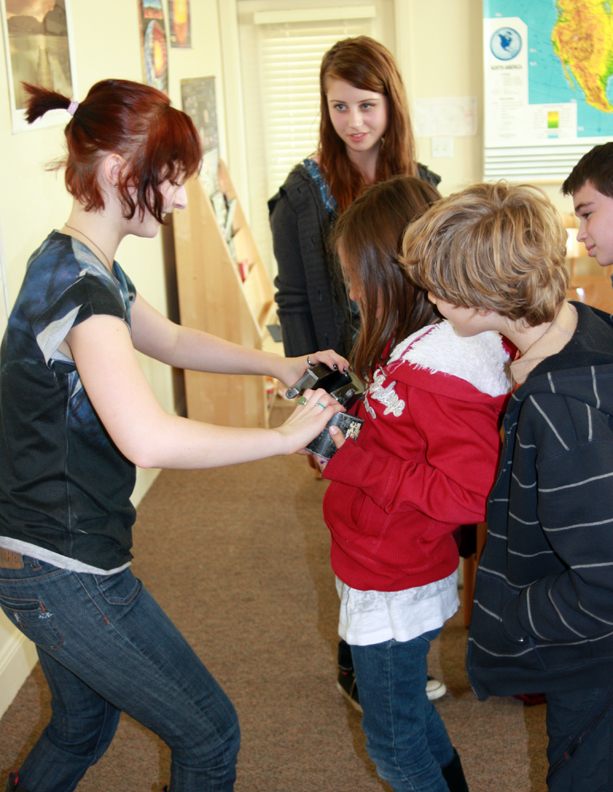
Kinesthetic activity

Sid and Sam use a kinesthetic activity to demonstrate magnetic induction

Sam and Sid, with help from Josh, presented the idea of magnetic induction and discussed how modern electrical generators work. Sam actually built her own alternator and induction coil, and Sid presented on his research about the use of wind power to generate electricity. They also created a fun kinesthetic activity to show induction.

Burning magnesium

Karl and Nicona demonstrate burning magnesium

Karl, Nicona, and Tanner presented on the properties of the elements; they did a flame test as well, and demonstrated what magnesium ribbon looks like when burned and how fireworks get their colors. They also had sparklers for each of the students to try out.

Cabbage pH

Sonora, Dallas, and Morgan demonstrate cabbage pH

In class on Friday, the other groups presented their demonstrations. Sonora, Morgan, and Dallas presented the red cabbage pH demonstration that is one of my favorites.

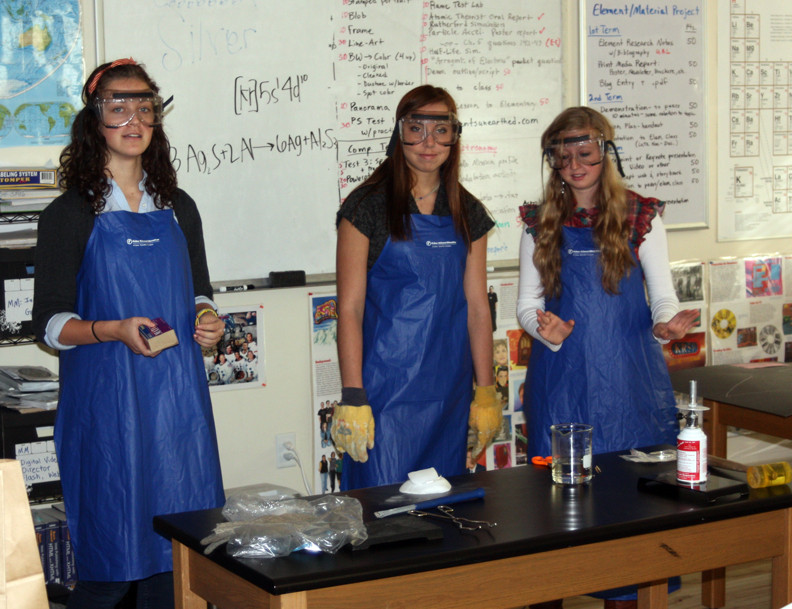
Untarnishing silver

Mari and Holly demonstrate how to un-tarnish silverware

Courtney, Holly, and Mari showed how to untarnish silver using baking soda and aluminum foil. They even included a correctly balanced chemical equation, although we won’t be learning about those until we return in January.

Dry ice group

Libby, Lindsey, and Chelise demonstrate the properties of carbon dioxide

Chelise, Lindsey, and Libby presented the properties of carbon dioxide gas and dry ice. They showed how regular matches go out in carbon dioxide, but that magnesium burns even brighter when placed in carbon dioxide.

Olivia and Jace

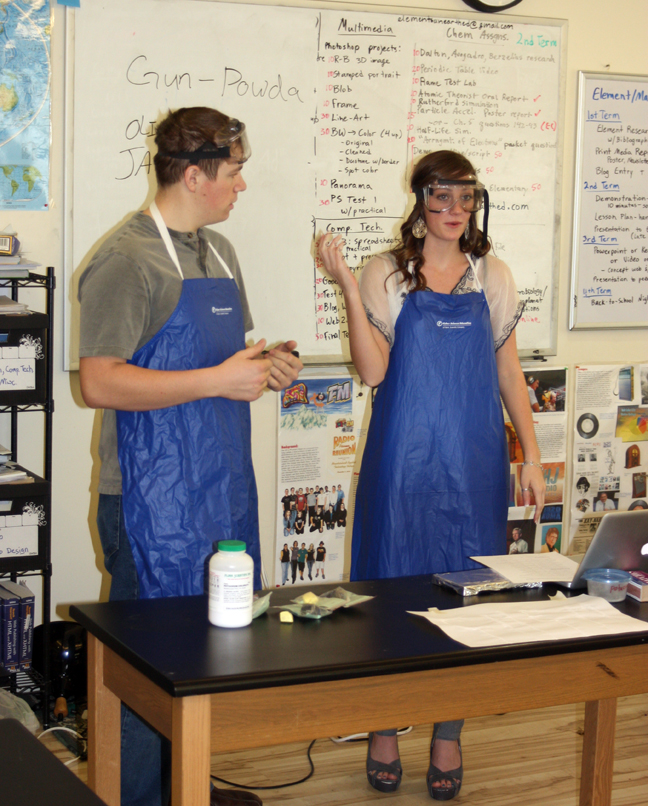
Jace and Olivia explain the ingredients of gunpowder

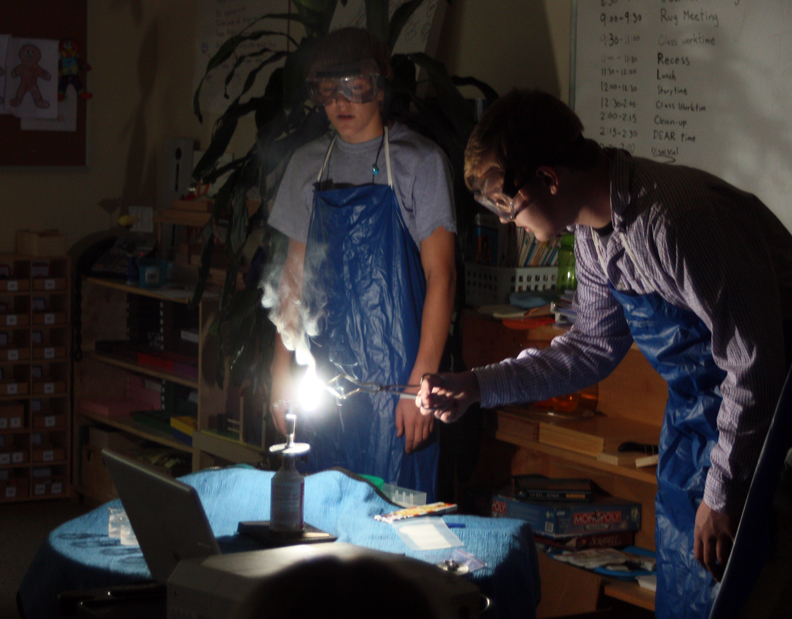
Jace and Olivia talked about gunpowder, how it is made, and why it is dangerous. Jace has experience working with black powder (he has his own muzzle loader – this is Utah, after all) and he created some raw gunpowder, which he burn outside. They also demonstrated the “fire writing” demonstration of drawing on a piece of paper with a saturated solution of potassium nitrate, then touching a wooden splint to the edges of the writing to see it burn letters through the paper.

Josh and Jess

Josh and Jess demonstrate the principle of density with salt solutions

Josh and Jess presented on salt solutions and how they can be used to determine the density of objects. They showed how an egg will sink in pure water but will float in salt water.

We also videotaped as much of the presentations as we could and took quite a few photos; those students that weren’t helping present helped with the photography.

Burning gunpowder

Burning gunpowder

When their demonstrations were done on Wednesday and Friday, my students were excited about what they had done and the feedback they’d gotten from the younger students. They still have to learn some showmanship and presentation skills (which we’ll continue to work on), but based on what I saw and what the elementary teachers reported, the science content was excellent. They and their peers filled out evaluation forms (and I will as well) so that they can improve on their presentations for the next round in January.

Golden pennies

Golden pennies

It was a lot of work to prepare for this. Now my lab room is a mess and I’ll need to take a day during Christmas break to clean up and re-organize (and I think I forgot to throw out the leftover red cabbage pulp that’s in my trash can, so I’d better go clean up tomorrow). But despite the work and the lost time, I’d say these demonstrations were well worth it. As we go through the second semester, the students will present at least twice more, including a final time at a back-to-school night for their parents. We’ll polish the delivery, add more science explanations, create slide shows and videos to supplement their demonstrations, and by the end of the year these will be incredibly well done.

Read Full Post »

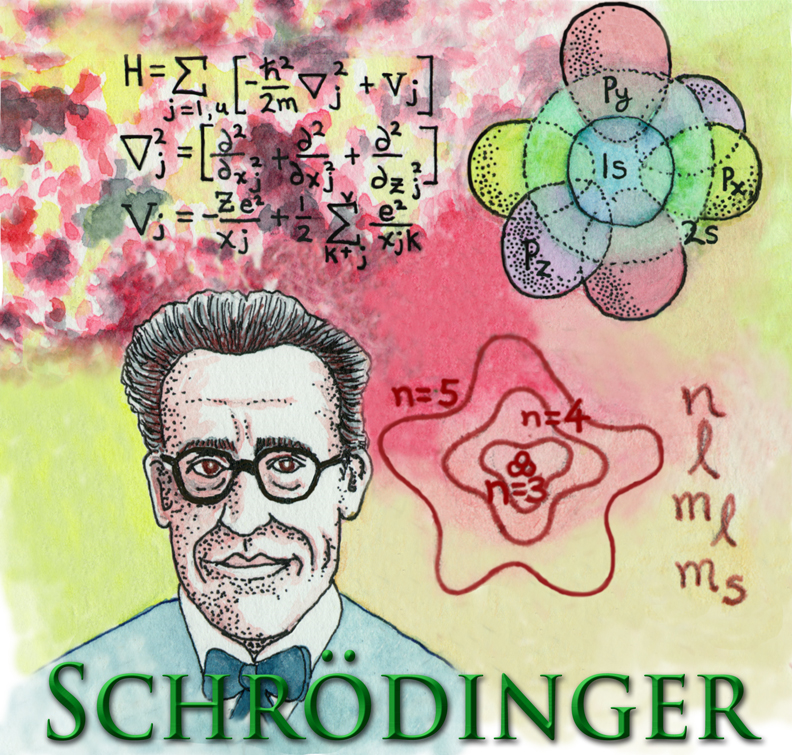
Schrodinger illustration

Erwin Schrodinger

My students will tell you that I am a massive Star Trek fan; in fact, I have most of the episodes of all of the series on VHS tapes or DVDs. A number of years ago, an episode of The Next Generation featured Data trying to learn what humor is. He went to the holodeck and asked the computer who the funniest stand-up comedian of all time was, and got the answer that it was a 21st century comedian whose subject was quantum mechanics.

This intrigued me. Could one actually make a good stand-up routine about quantum mechanics? While teaching at Provo Canyon School, my students weren’t able to do most standard chemistry labs due to the circumstances, so I taught a course that was more theoretical. For an extra credit question on our test on quantum mechanics and atomic physics, I asked them to come up with a joke or pun that involved terms and ideas from these subjects. The students took more time on that one question than all the rest of the test combined, and the results eventually mutated into a stand-up routine by a cartoon character called Boson the Clown. I’ve described him in a previous post (The Atomic Comic Club).

This last week, my chemistry students came to their test on the same subjects and I asked the same question. Here are samples of their jokes:

So Heisenberg was driving one day when he was pulled over by the police. The officer asked him, “Sir, do you know how fast you were going?” Heisenberg replied, “No, but I know where I am!”

There were three men named Mark, Larry, and Alphonso who were at a wrestling match. The match was between Mark’s grandma and a rabid grizzly bear. All the odds were against her and she was feeling rather down. Mark was trying to cheer her up while Larry took bets outside. Suddenly, Larry burst into the room yelling, “Alpha’s  beta on your Gamma!”


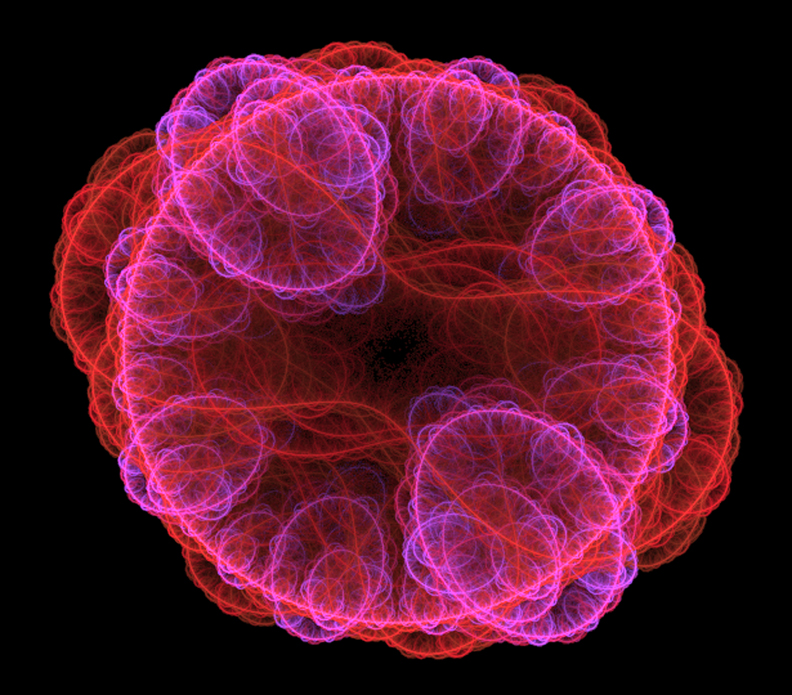
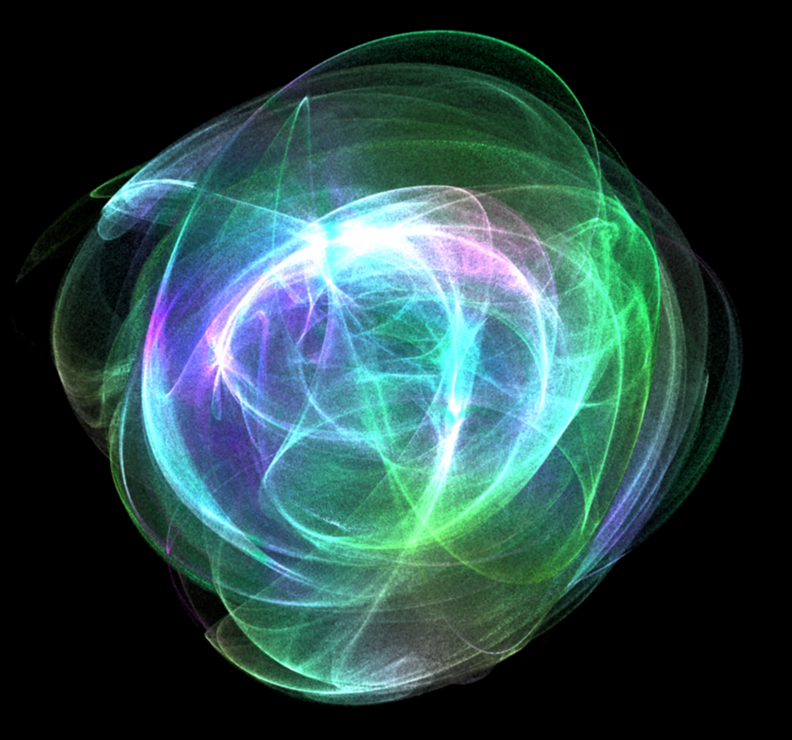
Fractal image of p and s orbitals

Fractal image similar to p and s-orbitals


Why did the electron cross the road? He never did – because he was quantized, he was already on both sides at once but never in the road.

There was a cat named Schrödinger;
In a box is where he hid.
When poisoned with lead,
Old Erwin said,
“The cat is both alive and dead!”


The vet at the particle zoo had a problem with beryllium. He only had two options – to curium or to barium. He had a dentist to boron the beryllium’s tooth. I’d give a nickel to see what happened when the beryllium woke up; now the vet and the dentist argon.

Did one particle in the particle accelerator like the other? Yes, they had a “smashing” good time!


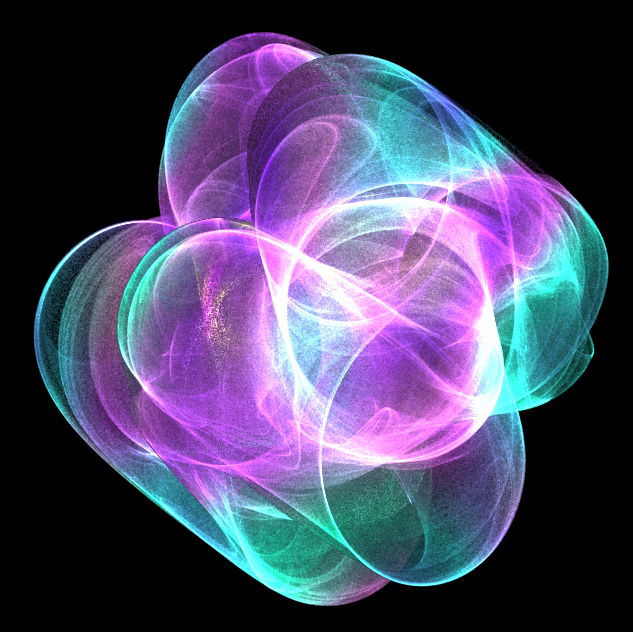
Fractal image of f-orbital

Fractal image similar to the shape of an f-orbital


An electron walks into a bar and the bartender says, “Why so negative?” The electron says, “My girlfriend just met this photon and moved out on me.” The bartender says, “Well, that’s too bad. But do you see that young particle over there? She’s dying to interact with you.” The electron thinks, “Maybe this is my lucky day!” and swaggers over to meet her. He asks her name. “Positron,” she says. “Nice to meet you!” he says and shakes her hand. Boom! It was annihilating love at first sight. Now they have a bunch of baby quarks.

A boson checks into a hotel in Neutrino City. He asks the neutrino at the front desk how much it costs to attend services at the local religious shrine. The neutrino replies, “There’s no charge, but I’m afraid we don’t offer mass.”

Some of them are actually pretty good as jokes and even better as evidence of an understanding of atomic physics.

We are now studying quantum mechanics and I have prepared a Keynote/Powerpoint presentation on quantum numbers and electron configurations. I am including it here in case anyone out there could use it; please feel free to make use of it however you like, just give me credit (consider this to have a Creative Commons 3.0 Attribution Only license).

Powerpoint File: Quantum_Numbers

PDF File: Quantum_Numbers

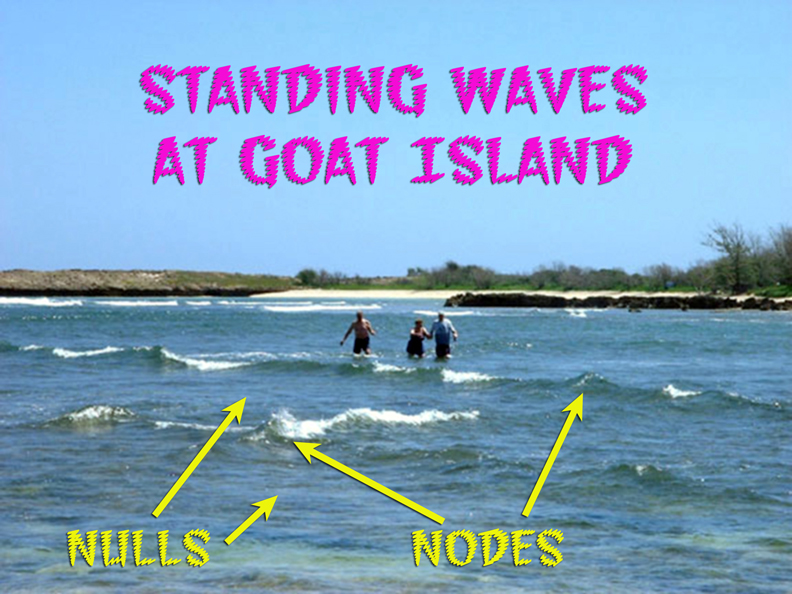
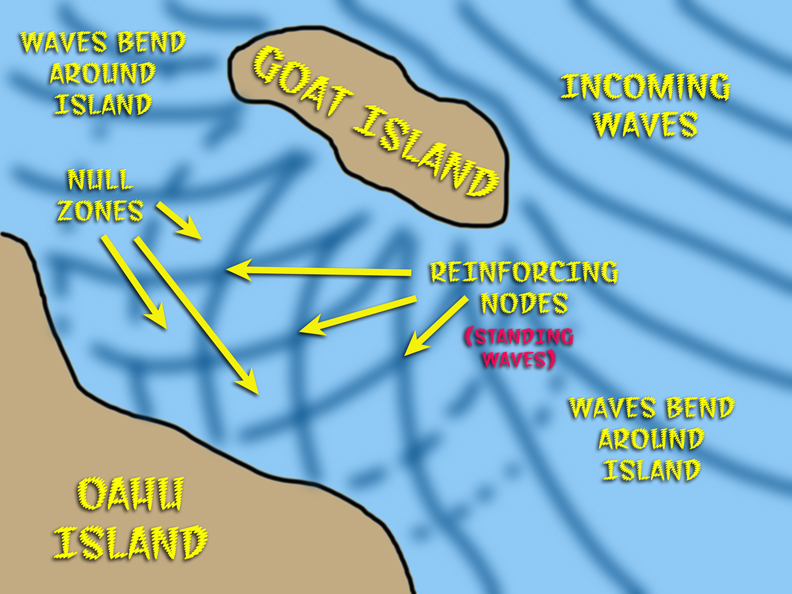
Standing waves at Goat Island

Standing waves near Goat Island, Hawaii

I’m struck, as always, by our inability as humans to adequately visualize subatomic properties. We think of these “objects” inside the atom as either being particles (like small, hard balls) or as waves, constantly in motion. Our models are the solar system of planets orbiting in nearly circular orbits around the Sun, and waves of water in the ocean producing a nice sin wave pattern as they wash up on a beach. It turns out both of these models are partially true; subatomic particles sometimes behave as particles (as in Einstein’s paper on the photoelectric effect) and sometimes as waves (such as Louis de Broglie’s experiments). The truth is, subatomic particles are really neither of these things – they are what they are, but we have a hard time coming up with models that describe them well. On the other hand, the quantum mechanical equations of Schrödinger, Heisenberg, and others describe the electrons so perfectly that we can create such amazing devices as Magnetic Resonance Imagers and iPads. The mathematics is very accurate; our visual models are the only things that need work.

I like to think of electrons as standing wave patterns. The example I give my students is the waves near Goat Island, Hawaii. This is a small island located just off shore to the northeast of Oahu. As waves break around the island, they are bent in two directions as they pass between the islands, coming in at about 90 degree angles. As they meet, the crests of the waves reinforce each other to create large humps at regular intervals. These are standing waves that slowly move toward shore. You can actually float on top of them and ride them for a few seconds. Between these humps, there are no waves at all and the water is very calm where the waves interfere with each other and cancel each other out.

Waves near Goat Island

Waves bending around Goat Island

According to the quantum numbers, electrons are standing waves as well with only certain energy combinations that are stable (where the waves add up). This is why the principle quantum number n is always a positive integer; any non-integer solution tends to cancel itself out, like a wavelength of 3.5 bent around the nucleus would completely interfere with itself. This is why Planck saw the quanta as being fixed energy levels where electrons could be found, but never in between.

Frozen energy s-orbitals

The s-orbital electrons create a spherical shape based on probability

Another way of looking at subatomic particles (and all matter for that matter) is that they are crystallized or frozen energy; chaotic energy patterns are trapped in a lattice or matrix of quantum numbers. I am again reminded of the patterns I see in fractal math or chaotic geometry. The atoms freeze the energy patterns, but using particle accelerators, we force the particles into phase transitions and release the trapped energy, which soon re-freezes into other particles. The more energy we can add through our collider, the more massive the subsequent collision debris will be. The dance of energy at the heart of matter is elegant and beautiful.

Read Full Post »

by Morgan Knapp

Guest Host

Mercury poisoning, as I’m sure you can guess, comes from contact with mercury.  Typical symptoms of mercury poisoning are: an itching or burning pain, swelling, skin shedding, high blood pressure, discoloration of the skin (see picture below), and an increase in saliva production.  “But how do I get mercury poisoning”, you ask. Well, you can get mercury poisoning from too much direct contact with mercury.  It is contained in some makeup, in some vaccines and medicines, amalgam teeth fillings, as well as broken fluorescent light bulbs, and of course fish.

mercury mottling

Mottled skin from mercury poisoning

Consumption of fish is the main source of mercury poisoning nowadays. It is hard for a fish to get rid of mercury in its system, so when it is eaten, the next fish up on the food chain collects the mercury from the fish being consumed. Therefore, the higher the fish on the food chain, the more mercury it is likely to contain. Tuna, whale and dolphin are fish that usually have high mercury levels. So it’s not good to eat large amounts of any of those fish. In fact the actor Jeremy Piven was diagnosed with a disease caused by mercury poisoning, from eating sushi twice a day for almost twenty years.  The earliest account we know of mercury poisoning was Qin Shi Huang. Qing Shi Huang was an emperor of China who took mercury pills that he believed would give him eternal life. But of course it did the opposite and killed him. Large amounts of people have been subject to mercury poisoning from improper use of it at schools, including students and teachers holding mercury in their bare hands and playing with it…not such a good idea.

Fish table

Amounts of mercury in different types of fish

Detecting Mercury Poisoning: The common way to test for mercury poisoning is taking urine or blood samples and evaluating them.

Prevention: If you happen to come into close contact with mercury, it is recommended to immediately wash your skin with soap and water, then go to a doctor for evaluation. Chelation is a process used to get rid of mercury and other harmful metal poisonings. There are different chemicals that are used for different types of chelation, but chelation is done by taking pills orally. Over time it reduces the amount of mercury in your body. Some people believe that some forms of autism is caused by mercury poisoning, and chelation has been used to try and cure those with autism. The medical field is skeptical of chelation and say that it doesn’t have much affect on anything. It hasn’t been proven to help autism either. Chelation is also very dangerous; it can cause kidney failure, cardiac arrhythmias, vomiting, nausea, and even death.  There have been more than thirty recorded deaths from chelation since the 1970’s.

The moral of the story is: be careful around mercury, because it is hard to cure mercury poisoning!

Read Full Post »

Magnet activity

Shannon and Kenzie demonstrate magnets

I’ve written before about my views on student engagement and involvement in education; that students learn best when they are most engaged and involved in the educational process (here’s a link to a previous post on the subject). This is all based on 20 years of observation that I am usually the person who learns the most in my own classroom, simply because as I prepare materials to present to my students, I have to learn them very thoroughly myself, and as I teach these materials, I am making a type of commitment to the concepts; staking my own reputation that what I am teaching is correct. The gist of my philosophy is that if I can get students to become teachers themselves and fully commit to the concepts they are teaching then those concepts will never be forgotten. You could compare this to the old often-repeated adage:

Feed a man a fish, and you feed him for a day. Teach him how to fish, and you feed him for a lifetime.

To which I would add: Train a man how to teach others how to fish, and you feed a whole village for eternity.

A number of years ago, while teaching at Juab High School in Nephi, Utah, I began a program to take my advanced physics and Chem II students to the Nephi Elementary School once per month to present lessons to the classes. I worked with the teachers there to come up with lessons that fit into their curricula but also could be easily demonstrated. My students had to practice the demonstration, write up a brief 20-minute lesson plan with a handout, and receive feedback from their peers, myself, and the elementary teachers.

Cael and his vacuum pump

Cael demonstrates his vacuum pump

It wound up being one of the most effective projects I ever developed. My students were always a bit nervous the first time, but after seeing how excited the elementary kids were, they caught the same enthusiasm and soon were asking me when our next visit would be. They also presented these mini-lessons at a back-to-school night at the end of the year for their parents and other students to see. It was a definite win-win activity; both the elementary students and my students benefited greatly and it was worth all the effort we put into it.

Since teaching at Juab High School my teaching assignments have not allowed me to continue this program, although at Mountainland Applied Technology College my multimedia students did participate in the Mars Exploration Student Data Team program and presented at a symposium at Arizona State University in 2004. My students also created a two-hour documentary on the history of AM radio in Utah that aired on KUED, Salt Lake’s PBS station, in 2007. You could say that they were teachers and content creators from these experiences.

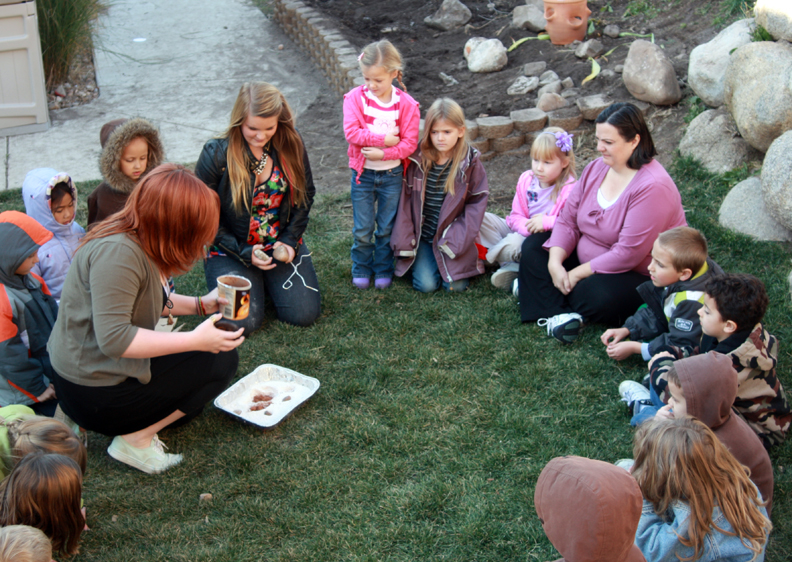
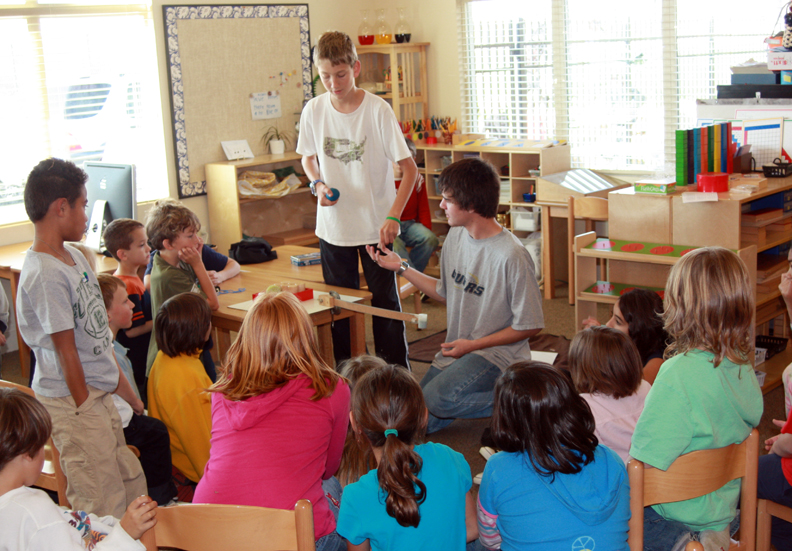
Now that I am back at a high school teaching science, I have reinstated the students-as-teachers concept through what I am calling the Walden Elementary Science Demonstration Program. I’ve even written a small grant for the Air Force Association last week to support this. On Friday, Nov. 12, I took my astronomy students down to the elementary classrooms at Walden to present lessons. Just as at Juab Elementary all those years ago, my students picked a topic and a demonstration, practiced it, wrote up a script or lesson outline, and then presented in the classes. I videotaped parts of the presentations and took photos. The elementary students were excited, engaged, actively getting their hands on materials, asking questions, and participating. My students did extremely well for our first time. Here are some of the presentations that they did:

Lunar Crater Activity

Annette and Olivia demonstrate lunar cratering

Shannon and Kenzie presented the properties of magnets and did a demonstration of a gravity assist maneuver using neodymium magnets and steel shot to represent planets and a space probe (I once got two neodymium magnets stuck up my nose while presenting this same demonstration to a group of teachers at the Jet Propulsion Laboratory. It’s a long story . . . .) Shannon and Kenzie had the challenge of adapting their lesson to be understandable for kindergarten students and for 4-6 graders (they presented twice). They demonstrated some large industrial strength iron horseshoe magnets I’ve had all these years and the kids had fun trying to pull them apart.

Cael and Koplin taught about how difficult it is for humans to survive in space, and demonstrated the properties of a vacuum by blowing up marshmallows. Cael’s father helped him construct a homemade vacuum chamber out of a Bell canning jar and a hand pump (very ingenious, actually, as you can see in the photo). Students had fun pumping out the chamber, seeing the marshmallows expand, and then releasing the valve and seeing them suddenly shrink again.

Olivia and Annette demonstrated how the surface of the moon formed using the lunar cratering activity (dropping rocks into a pan of flour and cocoa powder). They also tied it into a map of the moon, and had the kindergarten students repeat back what they had learned to win a prize – a piece of rice krispy treats coated with frosting to look like the moon’s surface.

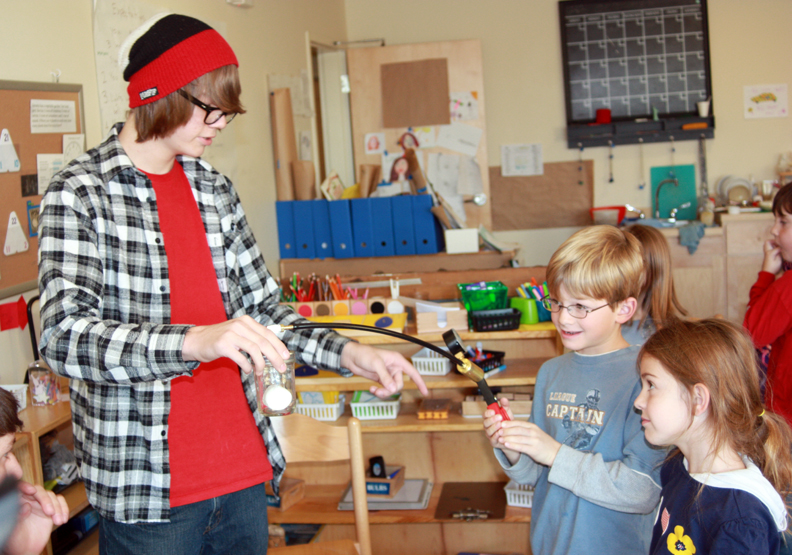
Inertial scale activity

Scotty and Colman demonstrate the inertial scale

Scotty and Colman taught inertia and momentum by demonstrating the properties of an inertial scale I made a few years ago. It’s basically a metal ruler with a film canister at the end clamped down on a table’s edge. The more heavy a rock you place in the canister, the slower the ruler will vibrate due to the rock’s momentum. They also demonstrated dominoes, yanking a piece of silk out from under an object, etc.

Mars site selection activity

Maxson teaches about Mars landing sites

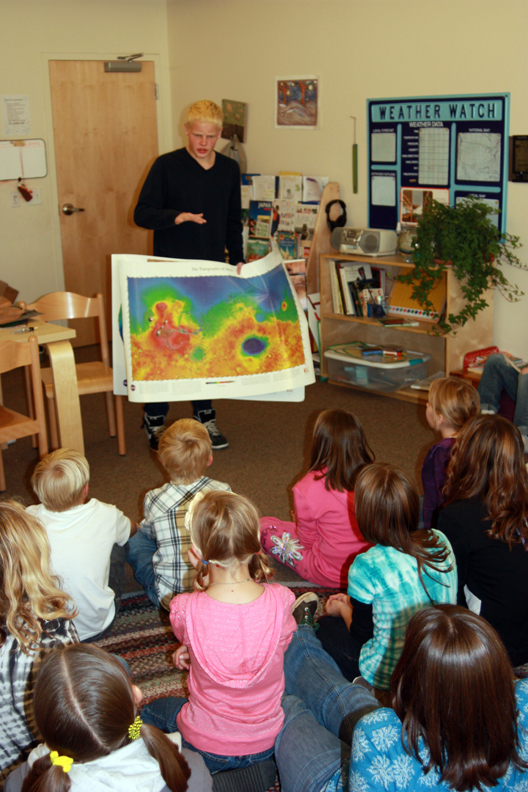
Maxson talked about the surface of Mars and how hard it is to find a good landing place. His partner wasn’t able to attend that day (he had an activity in another class that went unexpectedly long), but Maxson was able to fill in for his missing partner by having the 4-6 graders look for possible landing sites on maps of Mars.

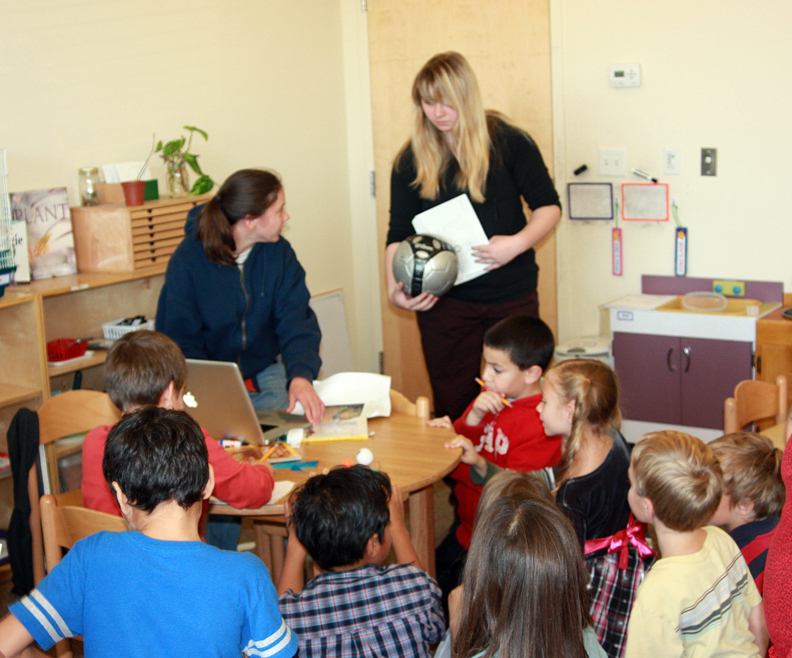
Alexi and Erika presented the scale of the solar system to 1-3 grade students, showing them various balls that represented the sizes of the sun, Jupiter, Earth, Mars, etc. They also showed GoogleEarth. Then they took the students outside and had them stand in positions of relative distances for the planets. I didn’t get a chance to go outside and photograph that part of the activity, but I heard from the teachers that it went very well.

Scale of the solar system

Alexi and Erika demonstrate planetary scales

For me, the best part of doing these presentations is at the end of class when all my students gather back in my classroom to report on how it went. I wish I had had my camera running. They were telling each other what went right and wrong, what the elementary students had said and done, and I knew at that moment I had achieved my real purpose: my students were excited about science, and this was an experience they will never forget. As for the concepts they had to learn in order to make their presentations, I think it’s safe to say they will never forget them, either. I uploaded the photos I had taken to my laptop and did a slideshow at the end of class so that they could all see what the other teams had done. At the end of the year, we’ll do a video presentation as well.  Not bad considering I hadn’t told them about this until two days before their presentations, so that they had only two days to choose and prepare their lessons. They did great! Now in December my chemistry students get their turn.

Read Full Post »

« Newer Posts - Older Posts »