Feeds:
Posts
Comments

Archive for the ‘Weekly Post’ Category

NSTA page 1

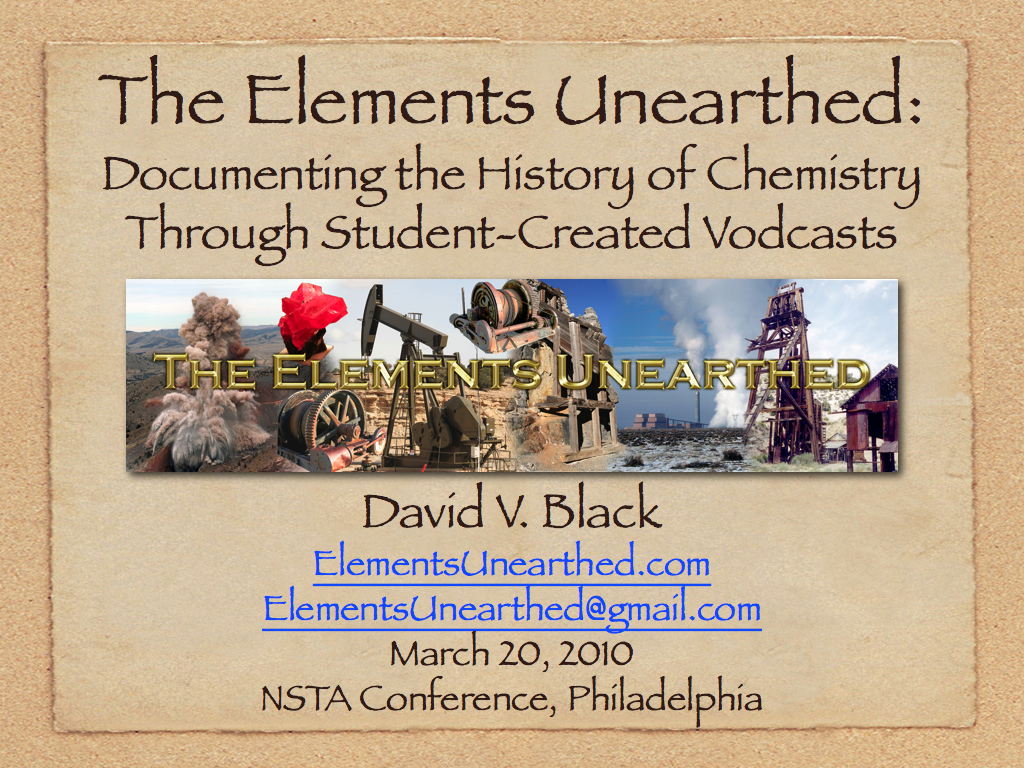
NSTA Presentation Page 1

I have completed my third day at the NSTA annual conference in Philadelphia and I’m tired . . . emotionally and physically. As the old Jerry Rafferty song went, “Winding my way down on Baker Street, I’m light in my head and dead on my feet, well another crazy day . . . .” I’ve pushed myself to the limits to make the most of this trip to Philadelphia by presenting The Elements Unearthed project this morning and by visiting the Exhibition Hall this afternoon and talking to everyone I can anywhere I can.

I arrived at 8:30 to my designated “room” in the rabbit warren of cubicles on the ground floor of the convention center. The rooms are divided by moveable partitions, and the sound of all the presenters just bounces off the ceiling so that it’s a bit of bedlam, especially if you’re trying to hear a soft-spoken petite lady speak when some guy is practically shouting next door. I was worried about people being able to hear the videos on my laptop speakers (I know my voice is loud enough). I contacted the AV people yesterday and arranged to have computer speakers placed in my room, which was great since my cubicle was also directly under two large industrial ceiling fans. Fortunately, they weren’t on this morning so I didn’t have to compete with them. I got myself all set up – my 17 inch MacBook Pro hooked up immediately and instantly showed on the projector, so all my worries and Plans B and C were unnecessary (I had some trouble getting it to work on a projector last summer). I didn’t have to lug my old laptop all the way across the country after all.
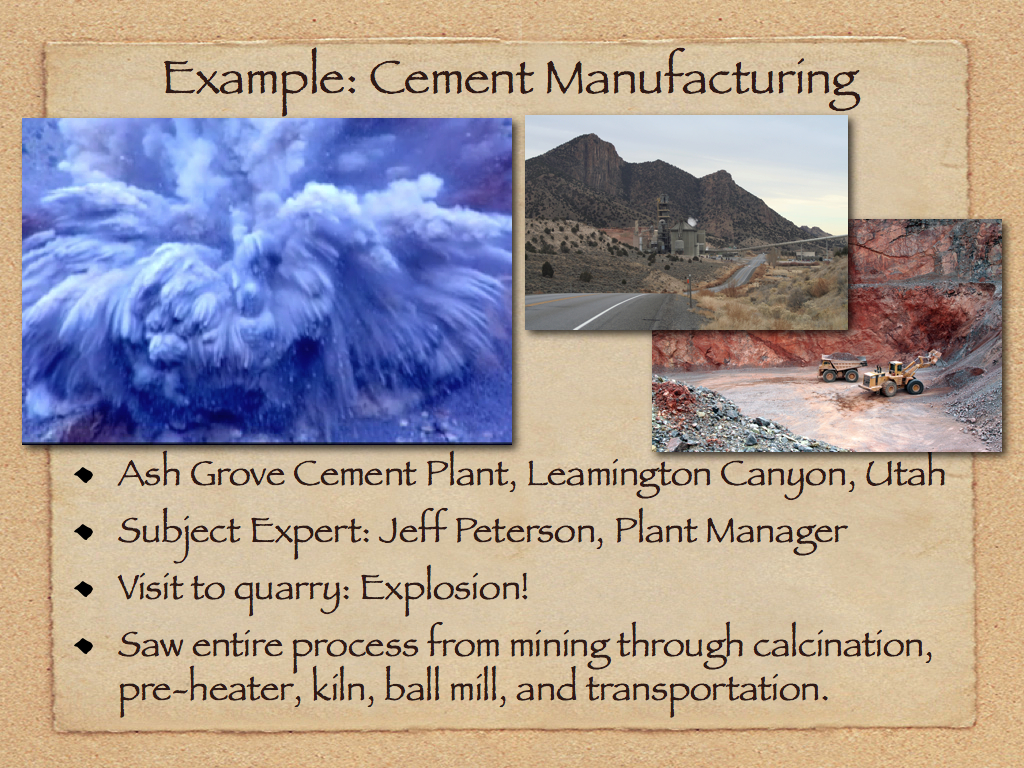
NSTA cement

Cement Example from NSTA Presentation

As 9:30 approached I became worried that no one would show up. No one was coming to my room, yet the session across the hall was packing them in – standing room only. Later I discovered it was a session on Edible Science. I guess science teachers are all hungry. I could only offer food for thought. But with two minutes to go, a professor from a college in St. Louis came in who’s doing science journalism with his science education students, so at least I had an audience. Then two more came in and as I started a few others trickled in, until I had about 12 attendees overall. Not a bad crowd. I’d told a lot of people over the last two days about my session, and none of them came, but at least they know about the project now.
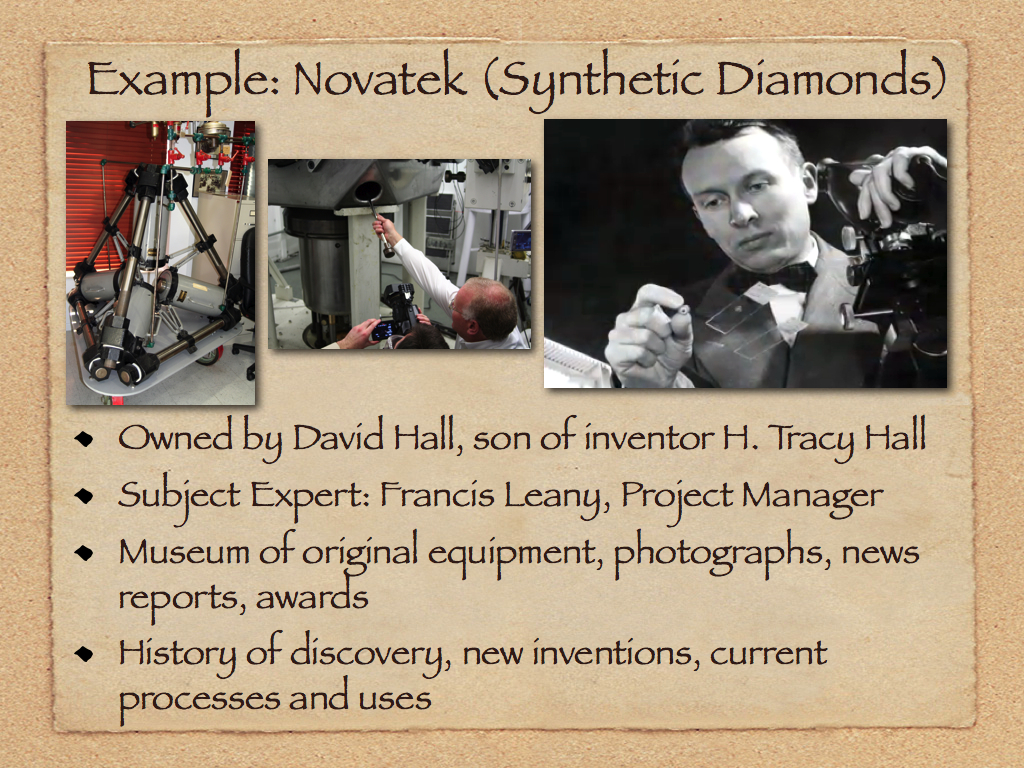
NSTA-Novatek

Novatek Video Page from NSTA Presentation

The actual presentation went well. The computer speakers were better than nothing, but were a bit blown out and distorted. I went over by a few minutes, but I did have several attendees talk to me afterward and I think overall it went well. I said all that needed to be said, showcased what my students and I have done, and helped them see how to set up and maintain a large-scale project for a professional audience created by high school students.

Here’s a link to download an Adobe Acrobat .pdf  version of the Keynote presentation I gave (without video, of course):

NSTA Philly Presentation-David Black

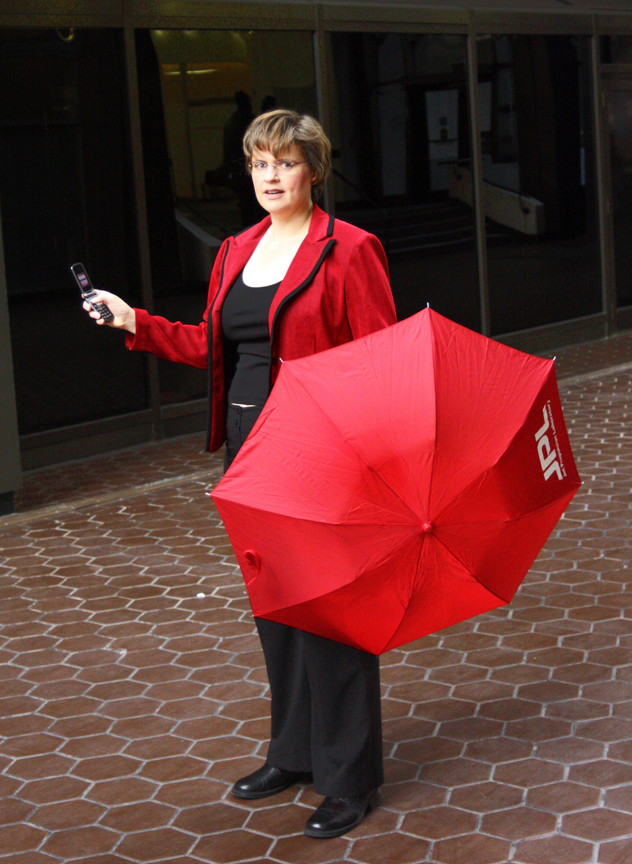
I packed up after the presentation and crashed in a quiet corner of the convention center, then did my post about day two of the conference. I went to the Reading Terminal Market across the street, with its wonderful crazy mix of food stalls and produce stands, with everything from Thai to Greek to Philly cheesesteaks to Amish sausage sandwiches (which is what I had – with a Sasparilla to wash it down). I was heading back to the exhibitors’ hall when I ran into Kay Ferrari, who is over the JPL Solar System Educators Program (I ate dinner with her and the SSEP-ers last night) and we talked about her projects as a co-PI for some NASA astrobiology initiatives and the possibility of interviewing some of the scientists working on astrobiology experiments. I braved the hall and went from stall to stall, talking to anyone whose materials seemed to correspond to this project. I got some great leads, some possible leads, and some “Yeah OK thanks for stopping by” head nods. I did a preliminary interview with Clark County School District in Los Vegas (just in case).

NSTA other sites

Other Sites Visited Page from NSTA Presentation

The highlight came as I was talking to a business owner that creates interactive digital textbooks (you know from my iPad post what I think of these) when two men stopped and started joking with the owner about how their textbook needed to be interactive and if they were going to have an iPad version. I didn’t recognize one of them until the other pointed out who he was – no other than Paul Hewitt, author of the popular “Conceptual Physics” series of textbooks (which I taught from in my physics classes at Juab High School way back when. I spent a total of three weeks over three summers learning how to teach his materials). He’s as funny in person as he is on the videos I’ve seen. I stayed on the dealer floor until they literally were rolling up the carpet under my feet and the exhibitors were tearing down their displays. I got a few more contacts even so.

I then talked the ears off of a teacher from New Jersey who teaches in a small town school (yes, New Jersey does have small towns. There are even farms in New Jersey [that was for all the Utahns that think, as I used to, that every square centimeter of land is covered with asphalt east of the Mississippi]) and her experiences have been very similar to my experiences in Tioga High School in California and in Juab High School in Utah. Rural schools have a unique set of problems that aren’t fully appreciated by urban or suburban educators. It’s getting dark outside (it’s 7:14 here) and now I have what seems like a ton of materials, two computers, and two cameras to carry back to Darby. As I follow up on all these contacts, time will tell if this four-day marathon will be worth it. I think it will.
Read Full Post »

It’s now 11:05 a.m. on Saturday, March 20 and my presentation at the NSTA Conference in Philadelphia is done. Whew! But more on that later. This post will seem to be off on a strange tangent at first, but I will tie it into science education in the end.

The Shadow Line

The Shadow Line

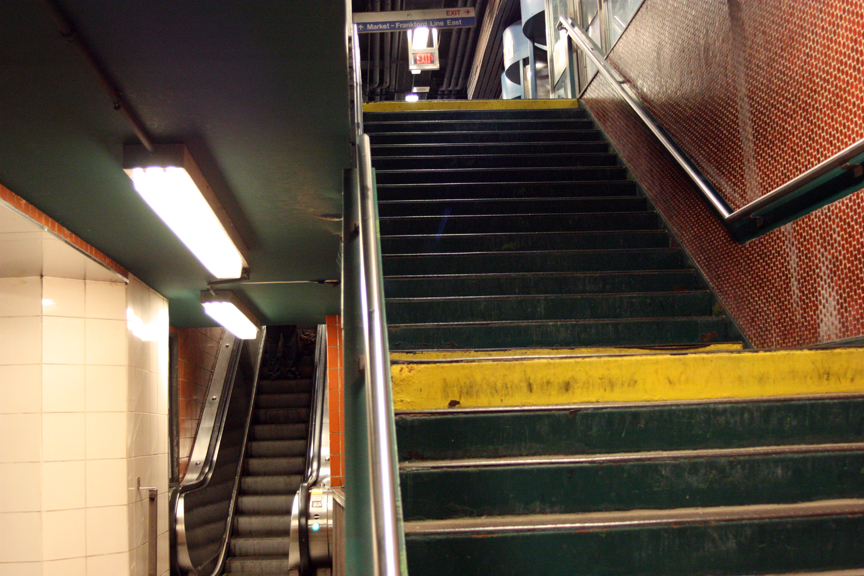
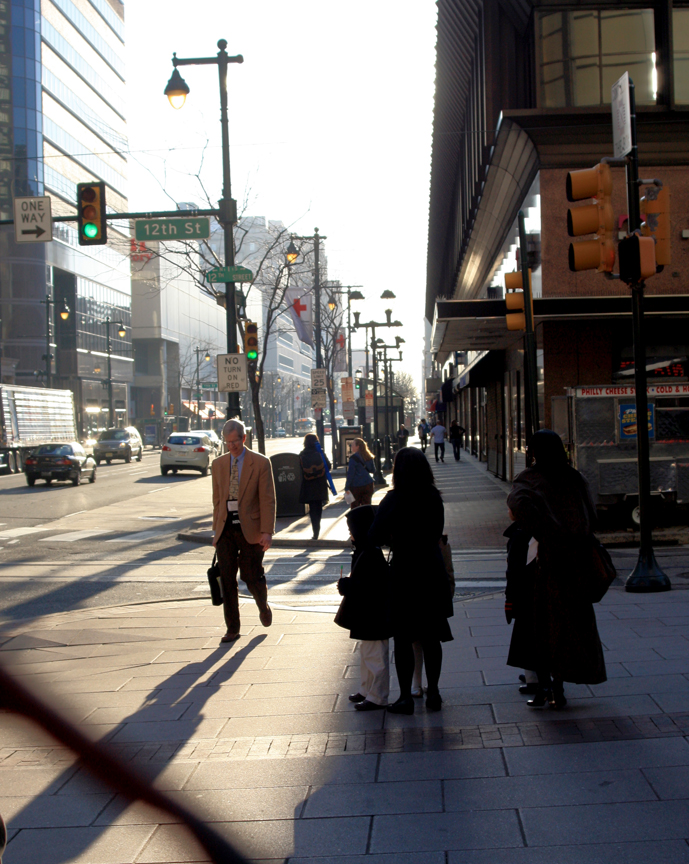
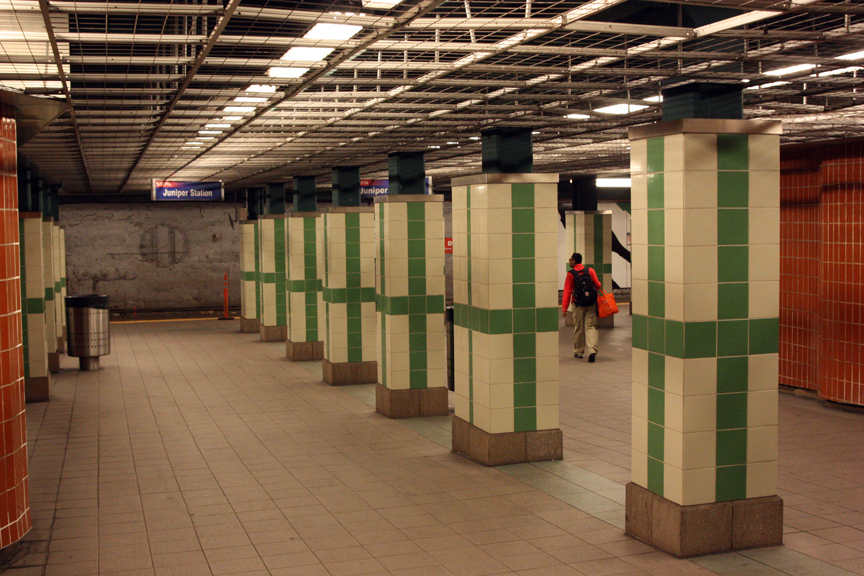
While riding on the Philadelphia public transportation system last summer (SEPTA) I usually took the 101 surface light rail route to the 69th St. Terminal, then the Market-Frankfurt line to the 5th St. stop in the historic district of Philly. I noticed something then that puzzled me – the main line would always bypass certain stops, such as the stations at 22nd and 19th Streets. I could see there were stations there, and people waiting, and occasionally a trolley car, but there seemed to be no connection to the main line – a complete system that I only got glimpses of. The last few days, I’ve been staying out in Darby and taking the Route 11 trolley/subway to the Juniper Station under City Hall, then walking to the Convention Center. Now I know what that other system was – a completely different sub-subway, a kind of Shadow Line, that runs parallel to the main subway trains for part of its length. It only connects in certain places, such as Juniper Station, which is under the main 13th street station, at 30th St. for University City, etc. Now I am now one of those people I glimpsed last summer, riding the Shadow Line.

Juniper Station

Juniper Station

It occurred to me last night, riding back to the friend’s house where I am staying, that education is like the Philly transportation system. We as teachers are riding the main line train – zooming in and out with our (supposedly) greater knowledge and experience and thinking we know how our students think and where they live, yet we are really only getting glimpses of them in the few places we can actually connect. It is this disconnect that causes most of our problems as teachers (and as a society); we have far too many places where we don’t understand each other, don’t connect, can’t relate, and don’t communicate. Racial strife, the disparity between rich and poor, the digital divide, the generation gap, etc. are all created by the disconnects between individuals and between groups.

Connections

Connections Between Stations

Education is all about building bridges across these gaps, making the connections between their world and ours. If teachers and other adults are on the Main Line, then our students are on the Shadow Line and our classrooms are the stations. Our job as educators is to connect the lines (lives) of our students with our lines (lives) as adults through our classroom stations.

I tend to think of technology as an end-all and be-all of teaching (I”m a techie, after all) but I need to remember that technology is only there to build these bridges and make connections, to give us glimpses into the worlds of our students and their ways of thinking, and as such is no more valuable than any other teaching method or technique. The fundamental thing is learning how to build a community of trust and mutual support and respect in a classroom where students can freely express themselves and learn from each other. Technology can certainly help to do this, but it is only part of a well-constructed and well-taught class. Some of the sessions yesterday reminded me of this fact (especially one by Joan Gallagher-Bolos who teaches an extraordinary chemistry class in Illinois, where students learn to trust and support each other, to speak their minds and make a contribution, as well as learning chemistry). I can only hope The Elements Unearthed project will help build communities of students, in local towns, and across borders. If not so, then just making gee-whiz videos for the Internet is rather pointless.

Yesterday was very much about making connections. I attended sessions taught by, or ran into, many friends and associates from my days in two NASA educational programs, the NASA Explorer Schools program, in which I was a facilitator at JPL for three summers, and teachers in the Solar System Educator Program. It’s been over five years since I’ve seen them, but seeing them again has helped re-ignite my passion as a science teacher and reminded me of the communities of teachers I’ve been part of, renewing the connections I’ve had with these amazing educators. A group of us got together for dinner last night and it was as if I had never left the program; they welcomed me back even if only as a visitor. I am still part of their community, just like I will always be from Deseret, Utah even though I haven’t lived there since 1983. I also spent time meeting and building new connections, finding new ways to collaborate, and new ways to build bridges.

Ota Lutz

Ota Lutz of JPL

I”ll post more later today on my presentation. Now I’m going to brave the Exhibitor’s Hall. More connections to make . . .
Read Full Post »

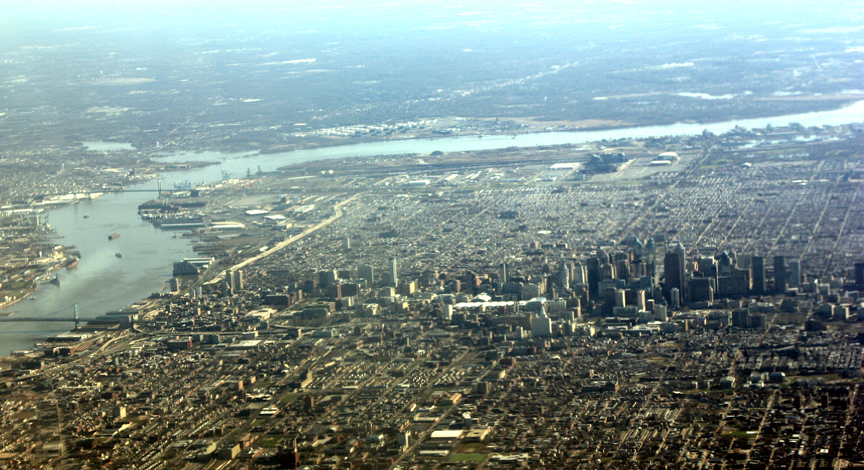
Philly from air

Flying in to Philly

I’m going to try the “instantaneous blog” style of posting today. I’m back in Philadelphia for the National Science Teachers Association (NSTA) annual conference at the Pennsylvania Convention Center. I flew in yesterday from Salt Lake City and was met by a friend at the airport who drove me to another friend’s house where I will be staying (I have to do these things on the cheap, and saving over $100 per day on hotel fees is one way I could make this work). I’ve attended six sessions today, four of which have been excellent (as in useful for me professionally or for my project) and two that have been good but not quite as useful.

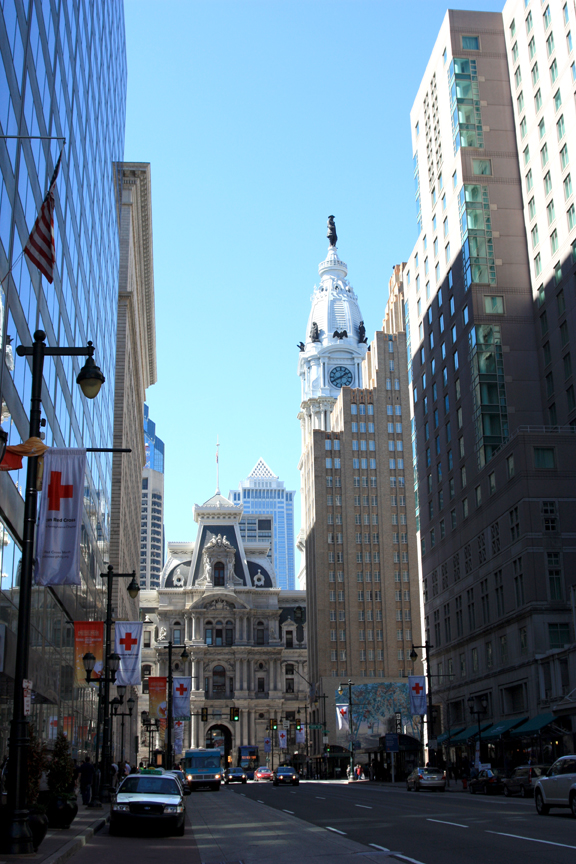
Philly City Hall

City Hall in Philadelphia

The first was on NASA’s Astrobiology program, presented by Pamela Harman of SETI (her office is just down the hall from the legendary Frank Drake of the Drake Equation) and Leah Bug, who was with NASA’s Explorer Schools program back when I was a facilitator for the program at the Jet Propulsion Laboratory. She is now at Penn State, and I haven’t seen her since 2004, but it was good to catch up again. I attended because I love all things NASA and especially anything that might relate to the nearby stars and exoplanets, and even more so an interdisciplinary subject like astrobiology, which combines biology, evolution, astronomy, planetary science, and chemistry together.

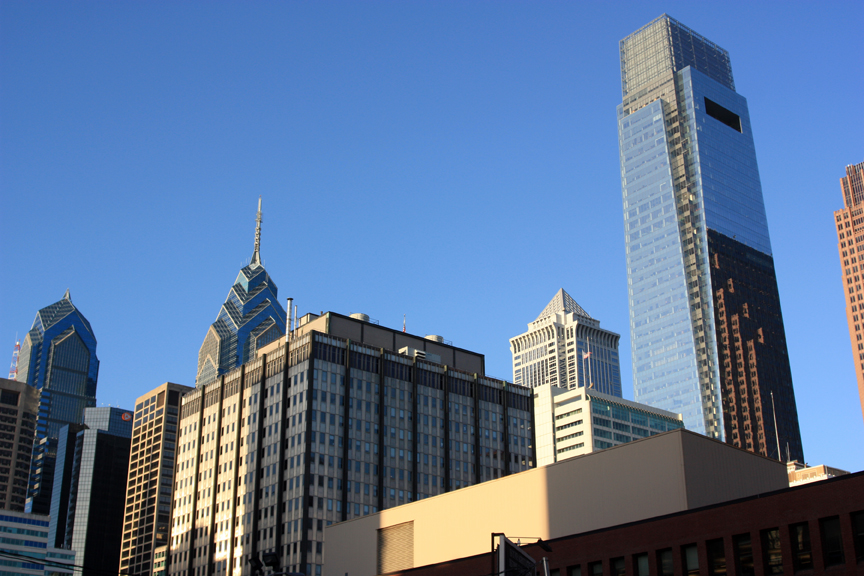
Philly skyscrapers

Skyscrapers in Philadelphia

The second session was sponsored by ISTE (International Society of Technology Educators) about a school district that truly gets the idea of using technology to help students be creative. I talked with Ben Smith, one of the presenters, afterward and got his advice on how to sell this project to teachers and get the ball rolling. He’s found that having students be creative by building their own videos (on physics, chemistry, or other subjects he teaches), he has to teach content less than before since the students are taking the digital tools and expressing themselves creatively. They are engaged, and they learn the content they need on their own without him having to pour it into them through a lecture or some other ineffective technique. It takes standards of content rigor to make sure the students find out the depth of information they need, but it has been working. He gives them the tools, provides enough training to learn the basics of using them, then gives then a very open-ended topic (“Tell me about waves”) and lets the students run with it. And his test scores have gone up (always good to know).

The third session was in the Marriott by Gigi Naglak and Shelley Geehr of the Chemical Heritage Foundation to kick off their “It’s Elemental” video contest for students, where students (individuals and teams) will submit short (3-5 minute) videos on an element that they sign up for in advance. Videos will be judged in two rounds. Those making it to the final round will be judged by an august group of scientists and media specialists (including a Nobel chemistry winner) and the overall winners will receive a free trip to Philadelphia next spring, to coincide with the International Year of Chemistry. Gigi and Shelley asked me my recommendations last summer for how to kick off the contest and what the levels of equipment needed by teachers would be, and I hope to be able to help out more as they roll out the website this summer. I also hope to have some student groups submit their videos and win!

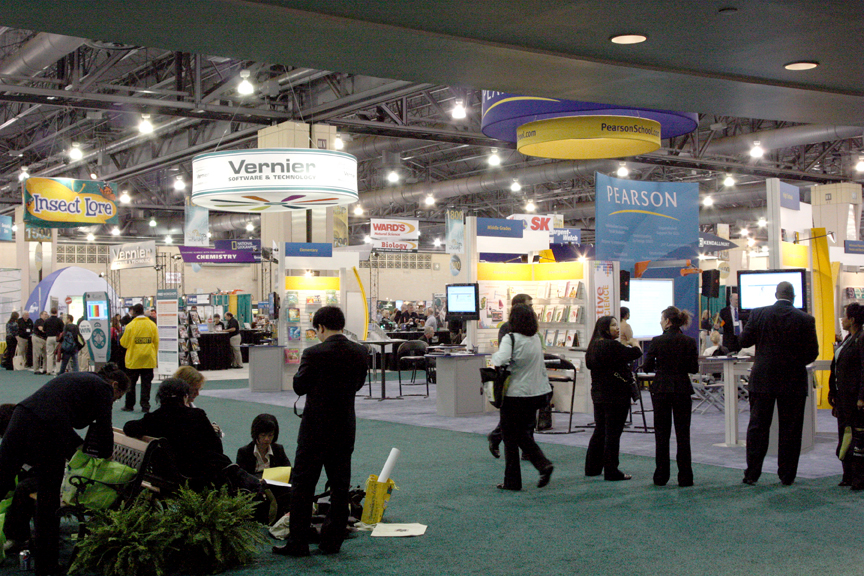
Exhibit Hall at NSTA

NSTA Exhibitors' Hall

The fourth session was by a coalition of teachers, media experts, scientists, and museum directors in Omaha called the Omaha Student Media Project, where a group of 16 students and 16 teachers attended a two-week workshop to learn video editing and science reporting skills, then created videos on viruses and infections and how they work. I talked quite a while with the museum person about how this coalition began and how they sold it to the school district and got media involvement. It’s given me some good ideas for how to sell my project and build a similar coalition in Utah.

I attended two other sessions on video podcasting and new media literacy, which gave me some good information but weren’t as useful as I would have liked. I will be going to a video program in about 20 minutes over at the Loews Hotel, so I need to sign off. I haven’t visited the exhibitors’ hall other than poking my head in and realizing I will need a plan of attack before attempting it. I hope to make some valuable contacts there. I’ll be presenting The Elements Unearthed project on Saturday at 9:30 in D-17. I’ll post again tomorrow.

Read Full Post »

It’s gratifying to see how many people have viewed the videos on the history of the Periodic Table since they were posted a few days ago. As soon as I had them uploaded, I had to turn right around and create another video for a PBS Innovative Teachers contest that I am entering. This video has to be under three minutes (I had 1/3 second to spare . . . ) and show a project my students and I have worked on that proves I’m an innovative teacher, so I chose The Elements Unearthed Project, of course. I figured even if I’m not chosen, I can at least use a short video overview of the project to place on this blog and show people at conferences (such as the NSTA conference next week).

So here it is:

It was in HD format (similar to the Business Profile Videos I do for clients) but WordPress seems to want videos only at 720 x 480, so I apologize if the video is a bit squished. It talks about several projects my students have done, such as the Mars Exploration Student Data Team program back in 2003-04 and the AM to FM documentary we did for KUED (Salt Lake City’s PBS station) in 2007. Then it discusses this project, why we’re doing it, and how it engages students in authentic learning.

I’ll place this video on the Videos page as well as the About Us page so that it’s easy to find no matter where this post gets to. I uploaded my application to PBS this afternoon (successfully) and will hear about the contest sometime in April. If I’m one of the ten top finalists, it will mean a trip to Austin, Texas to the annual PBS conference in May, where I hope to pitch this project to the movers and shakers there. Since I’ve done a documentary for PBS before (albeit a local station) I feel on somewhat familiar ground here.

But again there’s no rest for the wicked, so it’s back to work putting together my Keynote presentation for next week, writing a few proposals, packing – oh, and doing some work for pay, as well.

Read Full Post »

Finally, after months of waiting and effort, the two videos on the history of the periodic table are complete. Here they are:

The title of this video is:   The Periodic Table Part 1: Before Mendeleev

It’s YouTube links are: http://www.youtube.com/watch?v=tQghZkTyqP4 (Part 1-A) and  http://www.youtube.com/watch?v=v-SBTYQNAcM (Part 1-B)


The title of this video is: The Periodic Table Part 2: Mendeleev and Beyond

The YouTube links are: http://www.youtube.com/watch?v=a9tTcOnoNko (Part 2-A) and: http://www.youtube.com/watch?v=7msPp2QYrCk (Part 2-B)

They feature interviews with Dr. Eric Scerri of UCLA, to which I have added my own narration, animations, illustrations, photos, captions, etc. as well as publication artwork and notes by Edward G. Mazurs (see my previous Periodic Tables posts). I have edited the videos into two parts. Part 1 covers the events leading up to Mendeleev’s invention of the periodic table including the work of several precursors such as de Chancourtois, Newlands, Odling, Hinrichs, and Meyer. The second part covers Mendeleev’s working out of his periodic system and the work of his successors, as well as some interesting questions such as whether the periodic table can be entirely deduced from quantum mechanics and the mystery of the Knight’s Move pattern of properties. Part 1 is 17 minutes long and Part 2 is just under 20 minutes. I am very pleased with the results; I’ve been using every spare minute to complete the editing which is why I haven’t posted here for so long. I hope you feel it is worth the wait. Please let me know what you think!

Knights move image

The Knight's Move Pattern: Zn to Sn

In addition to placing them into this specific post, I will set up a separate page on this blog just for the completed videos. So far I’ve done the rationale video in two parts, now these two on the periodic table, and more will follow as soon as possible. The next will be on the mining and refining of beryllium ore, then on glass blowing, and so on. I have materials (video, photos, etc.) for about 30 episodes already and will get more as student teams begin to complete projects. I will also post these episodes to YouTube but will have to cut each part in two since you can only do ten minutes at a time on YouTube. I also plan on creating a completely separate website just for these videos so that I can place my own metadata on them and upload them to Apple iTunes as podcasts. As these steps are completed, I’ll post information here.

Next week I travel to Philadelphia to present this project at the National Science Teachers Association (NSTA) conference. My presentation will be on Saturday, March 20 at 9:30 in Room D-17 of the Pennsylvania Convention Center. I hope to do a few posts from the conference. Looking through the program, I see several names I recognize among the presenters from my years of facilitating educational workshops for NASA, so it will be fun to see them again. I also hope to work out corporate sponsorship of this project, including funding, so that I can finally begin Phase II to have teams of student in Utah, Colorado, and Nevada start to create their own episodes of the mining and chemical manufacturing in their communities. It will be a very busy week getting ready for the conference. I’ll post again in a few days once all the uploading and links have been created to these videos.

Read Full Post »

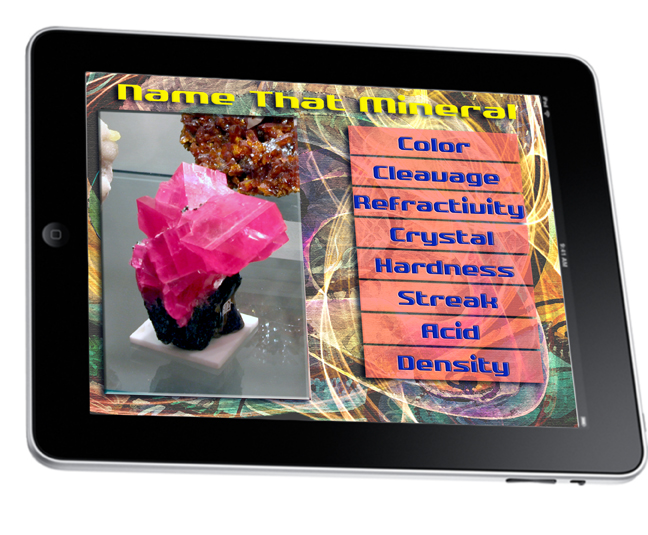
Possible game interface for iPad

Mineral Identification App for iPad

Since Apple, Inc. announced the release of the iPad two weeks ago I’ve been reading a lot of comments and blogs about how useful this device might be in education. Some excellent posts are being written on the possibilities. Here’s one: http://www.edutechnophobia.com/2010/02/six-ways-the-ipad-will-transform-education/ I haven’t weighed in on the issue myself yet because I’ve been so busy preparing the first few podcast episodes that I keep promising for this site. But more on them later. As for the iPad, providing they add some capabilities such as USB, Flash support, and multi-tasking, I believe it will be a platform of great benefit to science teachers in the following ways:

1 – Replacing expensive textbooks: All of us who have been classroom teachers know that printed textbooks have become outrageously expensive and in technology and the sciences they are outdated before they even go to print. Yet having a handy source of general information on a subject that is grade-level appropriate and tied to national standards and comes complete with problem sets and review questions, test banks, on-line resources, and all the other associated items is a very valuable resource for teachers. If all of this can be ported to an e-book format and read on the iPad (with added interactive and multimedia touches) then the purchase of an iPad for each student becomes truly economically feasible for schools, especially when you factor in that it also replaces most needs for student computers and graphing calculators and merges all these technologies into one device.

2- On-line Testing: iPads have the capability of simplifying student assessment by making it readily and cheaply available at any time on-line. Teachers, with appropriate application support, will be able to assign and write quizzes, tests (both unit and end-of-year state tests), and other assessment tools which students can answer directly on the iPad and receive instantaneous feedback. Many states, including Utah where I am located, are moving their end-of-year testing away from pencil-and-paper multiple choice tests to on-line testing that can incorporate many forms of questions and be skills-based and well as knowledge-based. For example, a chemistry test could incorporate a virtual lab situation as a test question. Which brings up usage 3:

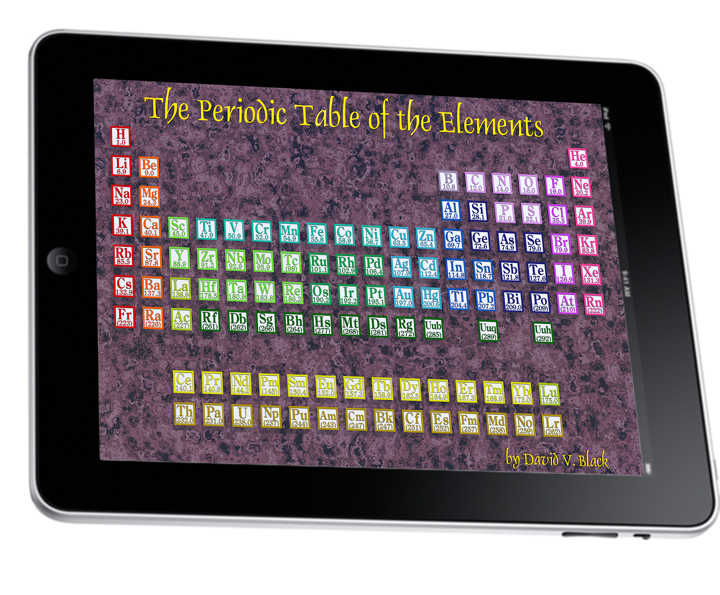
Interactive periodic table

Interactive Periodic Table App

3 – Virtual Science Labs: With the accelerometer and gestural controls of the iPad, science teachers and curriculum developers can program virtual labs that mimic a student actually picking up and weighing reagents for a chemical reaction, calculating the atomic weights and stoichiometric ratios, observing and analyzing the results (say of a virtual pH titration), and comparing student answers with accepted answers. Although this can’t take the place of hands-on science labs, it could certainly help to prepare the students for the real experience and help remediate students who miss the day of the lab, and reduce costs and disposal concerns. Virtual labs could also be created for Earth science (a virtual mineral field test kit), meteorology (viewing cloud cover, barometric, temperature, relative humidity, and other data and then predicting the weather), physics (lots of possibilities here), and so on.

4 – Student Collaboration: This is my big area right now – getting students to collaborate with each other to discover knowledge and synthesize it by creating their own content for the use of other students, such as this Elements Unearthed project to develop student-created podcasts of history and usage of the chemical elements. Imagine a group of students taking iPads on a field trip to a local watershed to record measurements of the water and soil, plant and animal life, pollutants, etc. and recording all of this data tagged with GPS data, then uploading it to the Internet and making it available to students worldwide. The iPad therefore becomes a remarkable enabling tool for citizen science. Imagine these same students using a wiki page to collaborate on writing up their results, or Google docs, or even sharing an iPad as a group to write up their findings in Pages and as a Keynote presentation, with supporting spreadsheets from Numbers. I have seen some amazing things done in classrooms through my work with NASA and my frequent attendance at science and technology teacher conferences using technologies that are far less capable than the iPad (including PDAs, GPS devices, etc.). Given teacher creativity, the appropriate types of applications, and an enabling technology like the iPad, and the educational possibilities are endless.

5 – iPads as Game Platforms: Games in education? This scares a lot of teachers, but it doesn’t have to. Just talk to the educational people at Apple, Micrsoft, and Sun Microsystems (to name a few) – and I have talked to them – and you’ll be amazed at what’s coming and how it can engage students in education through doing something that’s intrinsically fun. Education doesn’t have to be boring – in fact, it’s much more effective if it is fun. Now we just need to have the imagination to create the educational games and content. I have a few ideas, and I’m trying to talk to some software developers about some apps that would be ideal for the iPad and would help teachers to teach and review concepts in chemistry, physics, and other sciences. My media design students were assigned, as part of their learning of Adobe Director and Lingo programming, to design, create, build, and program a game on such topics as Mars exploration or the history of AM radio. They were simple yet powerful (and fun) games that could easily be ported to the iPad and used by other students. Imagine if we have students create iPad apps for other students . . . now that would be powerful learning, for both the creators and users.

I have much more to say on these issues, and others are already saying many of the same things. I am attaching a .pdf file with more complete examples here:

iPads_in_Science_Education

Meanwhile, the podcast episodes are still coming – I have prepared the full 45-minute version of Dr. Scerri’s interview on the history of the periodic table, which is now ready to export, and will begin editing it according to the scripts I’ve worked out into two 15-minute videos with some great images and animations to go with them (all ready to go). The three episodes on Greek matter theories and two on beryllium mining/refining are also coming but will take more time. I need to have at least 5-6 episodes complete and available by the time I present at the National Science Teachers Association conference in Philadelphia in March.

Read Full Post »

Beryllium mount for gyroscope

Beryllium mount for Trident missile gyroscope

This will seem to be a sudden diversion after my last post on Periodic Tables, but I am working on several video episodes at the same time and these posts will be jumping between topics depending on where I am with each one. This last Tuesday I had the opportunity to visit my home town of Deseret, Utah with several distant Black cousins on a genealogy trip, and we stopped at the Great Basin Museum in Delta to look up some old ledgers. While I was there, I took the opportunity to photograph their exhibit on the refining and uses of beryllium. It might seem strange that the best exhibit on beryllium isn’t in the Smithsonian Natural History Museum in Washington, D.C. but is instead in a small, local museum in Delta, Utah. However, the only commercial source of beryllium ore (bertrandite) is located in the Spor Mts. of western Utah and partially refined at the Brush Engineered Materials concentration plant near Delta. I took a group of students to the plant in Dec., 2007 and videotaped Phil Sabey describing the refining process and history of the plant. He also took us on an excellent tour of the plant. My students did much of the initial editing of the footage that year, but I haven’t put the finishing touches on it yet because I needed more photos of how beryllium is used. This exhibit had exactly what I needed, and I can finally finish the beryllium episodes.

Gyroscope for Saturn V

Gyroscope platform for Saturn V rocket

Beryllium has unique properties that make it ideally suited for many aerospace applications. It is a very hard, tough metal but also extremely lightweight: a 36 pound piece of steel would only weigh about 8 pounds if made from beryllium. When you hold a piece of it, you’d swear it was actually plastic. Because of this, it has been used for guidance and gyroscope systems in many missiles, including the Saturn V rockets that lifted the Apollo astronauts to the moon. Here is a photo of a gyroscope platform used for the Saturn V: this one has a flaw and therefore wasn’t used in the Apollo program and was donated to the museum. It reminds me of the scene in the movie “Galaxy Quest” where TIm Allen and his crew of actors have to land on a planet to retrieve a beryllium sphere to replace the cracked one in their engine room (the scene, incidentally, was filmed at Goblin Valley in Utah). So this gyroscope platform is a true beryllium sphere . . . .

Beryllium is also transparent to X-rays and therefore ideal for use in X-ray tubes, and it is a neutron absorber and therefore useful in nuclear applications. In addition, beryllium copper alloy resists corrosion while being an excellent conductor of electricity and is used for electrical contacts and connectors where extremes of temperature and high corrosion can be expected, such as in the automatic windows of many car doors.

Beryllium copper alloy

Beryllium copper alloy

It is being used as housings for laser repeaters for transoceanic fiber optic cables where the lasers are used to amplify the optical signal. One of the most recent uses has been for the mirrors in the James Webb Space Telescope – its high reflectivity and light weight make beryllium use ideal.

Beryl crystals and bertrandite nodules

Beryl crystals and bertrandite/fluorite nodules

Beryllium is refined from two commercial minerals. Traditionally, it was concentrated from beryl crystals that were crushed and melted. The Delta plant has one feed stream that does that, and they are currently using up the strategic stockpile of beryl crystals which were purchased from the U.S. government. Beryl is actually an impure form of emerald; one could isolate beryllium from emerald or red beryl, too, but it wouldn’t be exactly cost effective. The beryl crystals on display in the Great Basin Museum come mostly from small family mines in South America and show the usual hexagonal crystal structure. The red beryl is much more rare and comes from a mine in the Wah Wah Mts. near Milford, Utah.

Red beryl crystals

Red beryl crystals from the Wah Wah Mts.

The other feed stream at the Delta plant concentrates the bertrandite ore, which is a hydrous beryllium aluminum silicate with traces of uranium and other elements. In the Spor Mts., it is found as a highly weathered pinkish clay material with frequent nodules of fluorite and some beautiful purple fluorite geodes as seen here.

Bertrandite ore

Bertrandite ore

All of this is crushed, separated with sufluric acid, and an organic floculent is added to float the beryllium particles to the top in a series of flotation tanks (seen to the upper left in this aerial shot).

Delta concentration plant

Delta beryllium concentration plant

The beryllium concentrate is then pumped off the top of the tanks, the floculent agent is stripped, and the beryllium passed through several chemical processes to concentrate it into beryllium hydroxide pellets, which must be handled in an airtight system since at this point beryllium becomes very toxic. The pellets are shipped to Elmore, Ohio for final refining into beryllium metal, beryllium alloys, and beryllia ceramic products. I stopped at Elmore on my way to Philadelphia this summer and took this photo of the Elmore plant.

Elmore Ohio plant

Brush Wellman plant in Elmore, Ohio

Because of its highly weathered nature, the bertrandite can’t be mined except through open pits. The Blue Chalk and Roadside deposits, as shown on this map, are currently being mined; there are enough deposits to provide beryllium for anticipated needs for at least the next 20 years. To aid in the mining and to lessen the amount of overburden that must be removed, the deposits are carefully drilled and mapped out in 3D.

Beryllium deposits

Bertrandite deposits in Spor Mts.

I am working on completing two video episodes on beryllium mining and concentration by mid-January and post them to iTunes (finally!). These photos complete all the materials I’ve been collecting, so now all it needs is final editing.  Along with the beryllium episodes, I’ll post two on the Periodic Table, one each on the history of glass blowing and stained glass, and the full video of the rationale for this project (I posted that in two parts to this blog several weeks ago). My goal is to post episodes once each month through June. They will include episodes on Greek matter theories, alchemy and technology in the Middle Ages, zinc mining in New Jersey, anthracite coal mining in Pennsylvania, lead mining in Missouri, petroleum mining and refining in Pennsylvania and Kansas, and salt mining in Kansas. These are all mine sites that I visited on my way back from Philadelphia. I have the video and photos, but it’s the editing that takes time. I’m also working on four projects for clients – as expected, everything heated up after New Years. I would love to have enough grant funding to work on The Elements Unearthed full time, but, alas, I must make a living and so this project can only be done here and there as I have time between client projects.

My thanks go to Phil Sabey of Brush Engineered Materials for our interview and tour back in 2007 and to Roger Anderson of the Great Basin Museum for helping me photograph the exhibit.

Read Full Post »

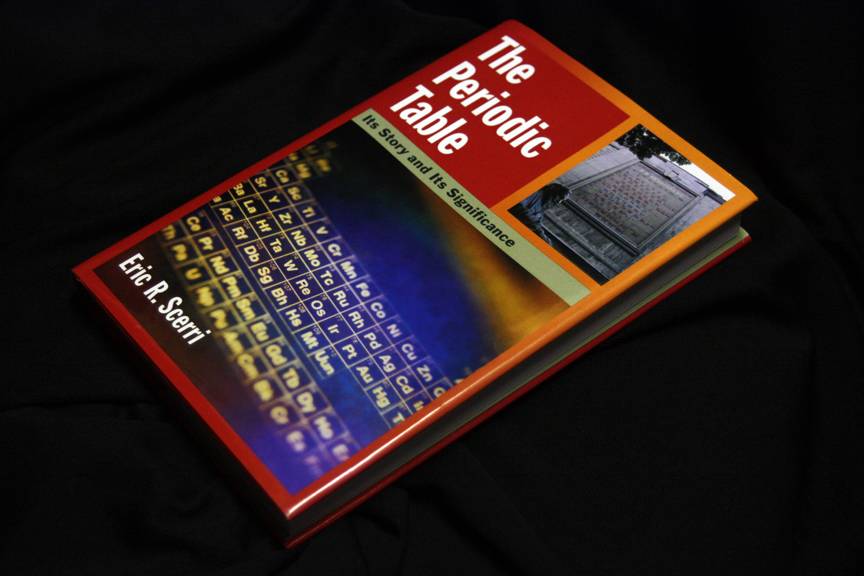
I’ve been neglecting to write this blog for the last few weeks, what with the usual Christmas rush. Now that New Years is done, I’m resolved to write more often, at least twice per week. Another reason I’ve been neglectful is that I’ve been quite busy working on episodes of the videos for The Elements Unearthed project, especially the episodes on the history of the periodic table where I interviewed Dr. Eric Scerri of UCLA. He is the author of The Periodic Table: Its Story and Its Significance by Oxford Press.

Book by Dr. Eric Scerri

During the last few weeks I’ve transcribed his interview and sent it to him to look over for revisions, as well as the drafts of the episode scripts. He has been most gracious to provide suggestions that have greatly improved the scripts. Because of the detail of the interview, I’m going to divide it into two parts, the first on the precursors to Mendeleev and the second on Mendeleev and beyond. Each should be about 15 minutes when complete. I will upload a compressed version of each episode here once they are done (another two weeks, tops – I have quite a few client projects happening right now, too) as well as the finished transcript of the interview and the episode scripts. I’ll also upload them to a dedicated video site and then uplink them to iTunes and YouTube.

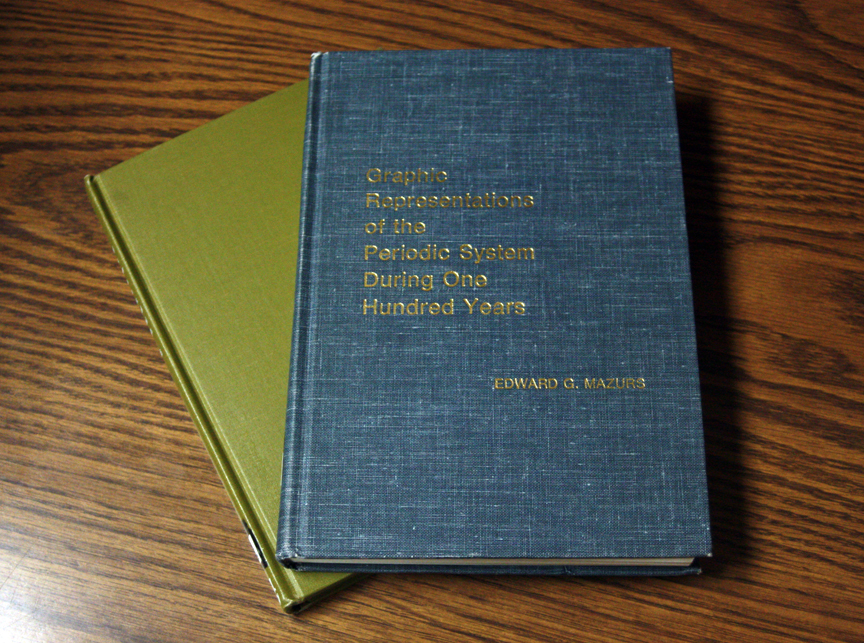
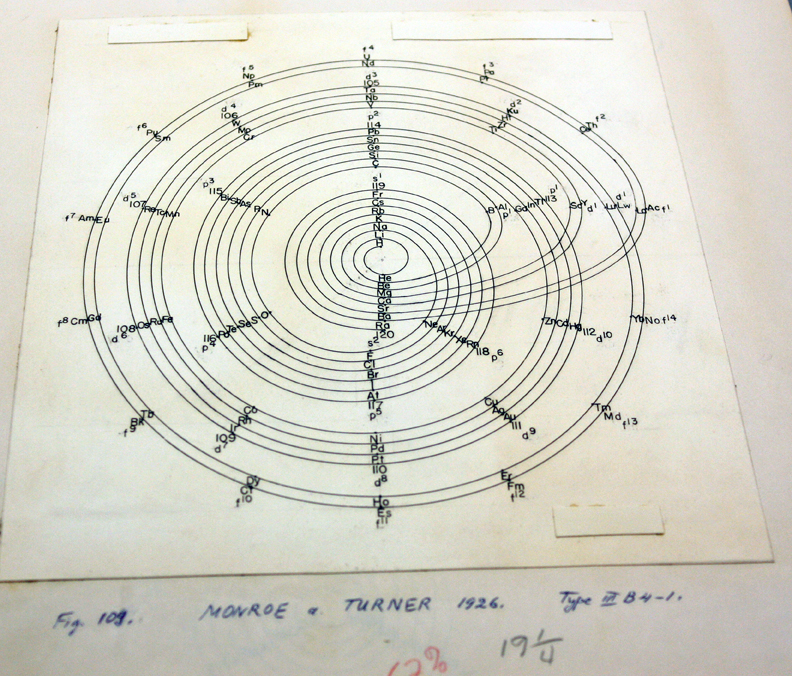
In preparation for these episodes, I’ve been cleaning up the photos I took this last summer at the Chemical Heritage Foundation of the Edward G. Mazurs collected notes, which he prepared over several decades for his book Graphical Representations of the Periodic System During 100 Years, which he self-published in 1957 and which was then revised and published by the University of Alabama Press in 1974.

Mazurs_books

Books by Edward G. Mazurs

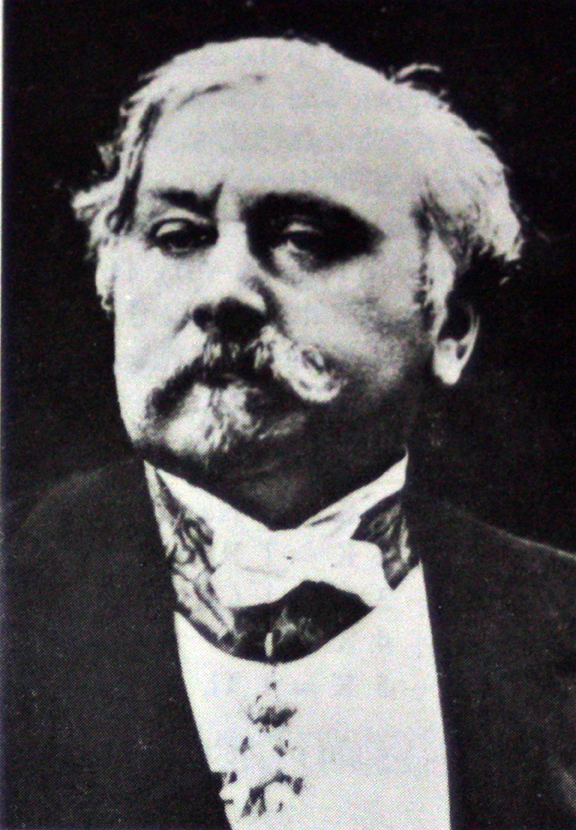
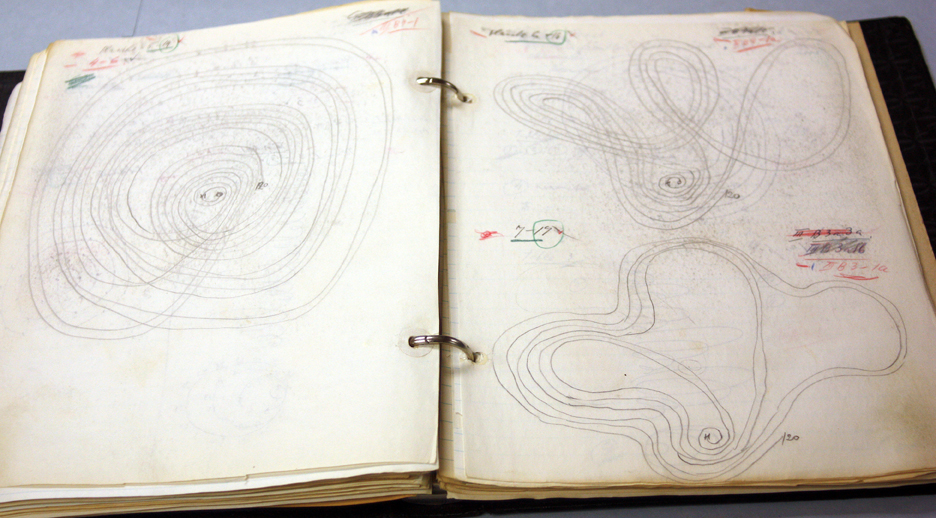
He classified over 700 different periodic tables, and his notes filled ten three-ring binders. I also was able to photograph the production artwork that was used for the books. It dawned on me while I was doing the clean-up that I didn’t actually have any photographs of the final books, so I traveled over to Brigham Young University’s library two weeks ago and found both editions on the shelves, as well as Jan van Spronsen’s book and a book in Russian with photos of Mendeleev, his notes. and his laboratory. I photographed all the relevant pages, including any photographs or portraits of the people who contributed to the development of the periodic table, including such people as Alexandre Emile Beguyer de Chancourtois, who developed his Telluric Screw in 1862 which shows the first discovery of the periodic law: that the properties of the elements seem to repeat periodically.

de_Chancourtois

A. E. Beguyer de Chancourtois

Finding the 1957 edition of Mazurs’ book is quite rare, since not many were printed. While I was there, I looked up an article I remember reading in Chemistry magazine back in the 1970s on various forms of the periodic table. It’s funny how memory can play tricks on you, however. What I thought was a major article showing various forms of the table in full color was actually a short article showing one form of the table (although it was in full color). I apparently have a better memory for images than for text; my memory had expanded and aggrandized the article into something much more than it was. But the table was interesting, and here is a photo of it:

Continuous-form_periodic_table

Continuous-form periodic table, 1975

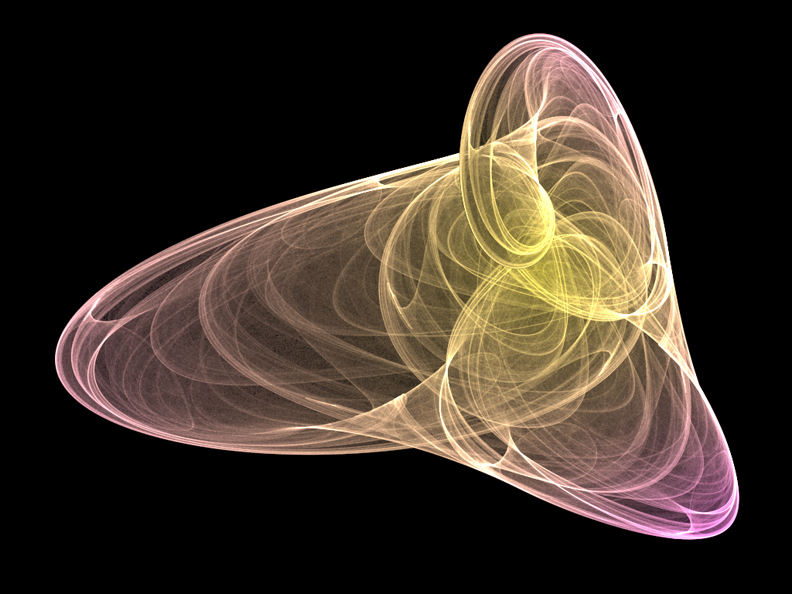
I was also struck as I was preparing these images from Mazurs’ notes how some of the more exotic continuous-form periodic tables look remarkably like images of strange attractors in fractal mathematics. I’ve been playing around with an interesting free-ware program called Chaoscope trying to come up with similar images and here are a few samples comparing Mazurs’ notes and artwork with fractal patterns. Wouldn’t it be fun if some bored mathematician was able to show that the unusual pattern of the periodic system (created by the quantum mechanics of electron orbital filling in successive atoms) followed a fractal equation? I’m afraid I’m not much of a mathematician, but I can make some pretty pictures now and then. Anyway, from a visual standpoint, the similarities are amazing.

Notes_by_Mazurs

Strange forms of the periodic table by Edward Mazurs

chaoscope_render_1

Render from Chaoscope

Triple_sprial_artwork

Artwork for Mazurs books

Lorenz_attractor

Lorenz strange attractor from Chaoscope

Strange_attractor_artwork

Artwork from Edward G. Mazurs book

strange_attractor_chaoscope

Render from Chaoscope

Read Full Post »

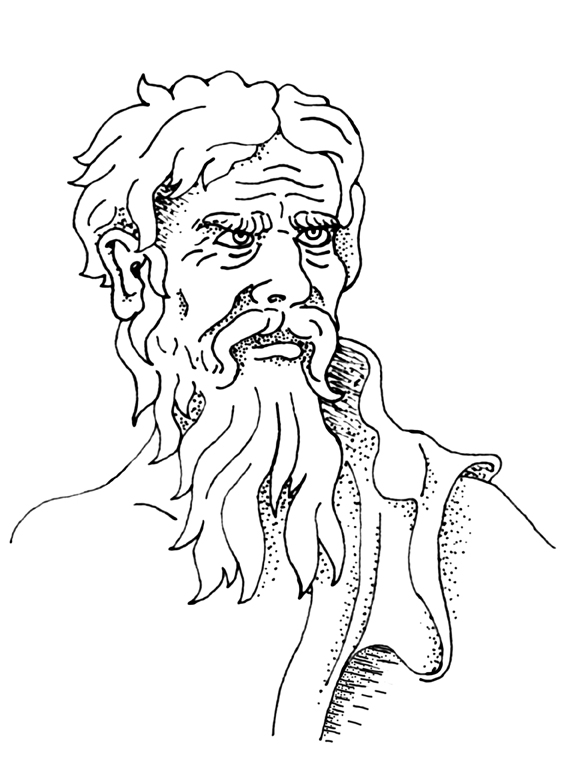
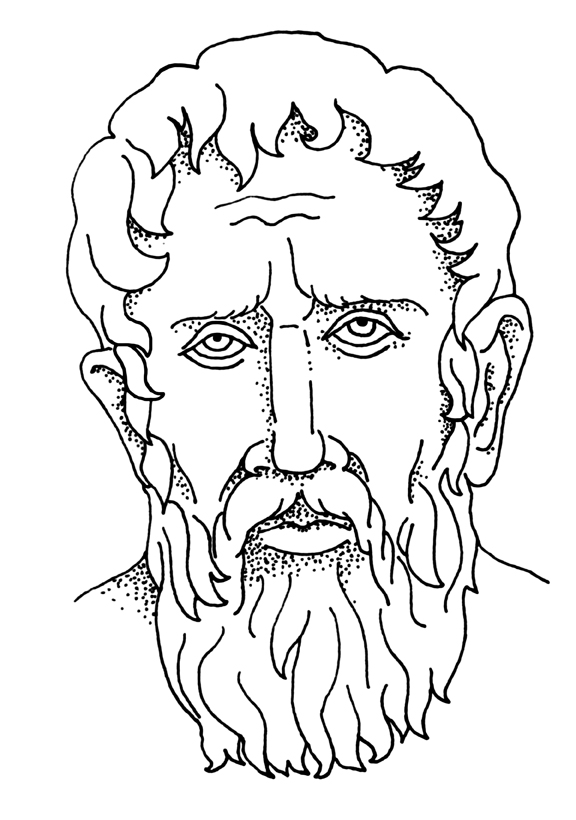
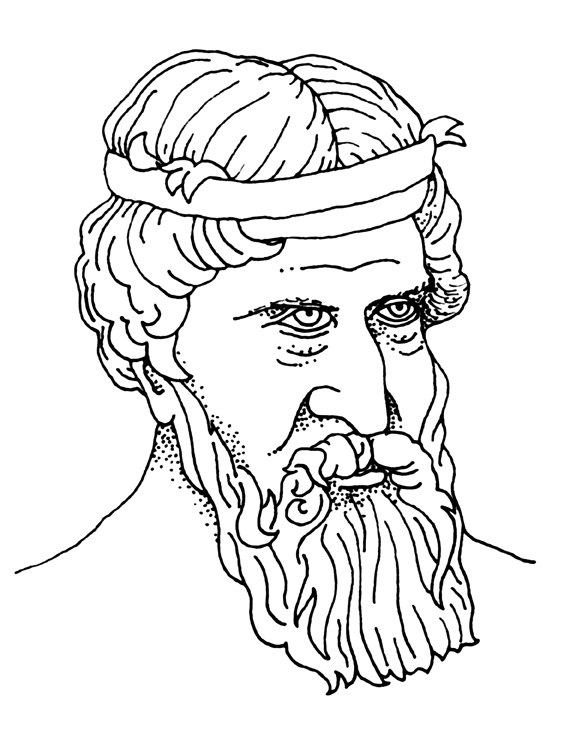
This is a somewhat random post on a few things I’ve been working on the past two weeks. Now that the NSF grant is submitted, I can return to editing episodes in preparation for finally setting up an iTunes site. I’ve been working on transcribing Dr. Eric Scerri’s interview so that I can edit it and send him a “good parts” version along with the complete interview. (By the way, I saw Theo Gray’s new book on the elements in Barnes & Noble the other day, and its beautifully photographed and engagingly written. Check it out!) In between, I’m creating some drawings of Greek philosophers for the segments on Greek matter theories. I’ve completed the line art versions of Heraclitus, Parmenides, Zeno, and Plato. They were drawn with pencil, then inked in and scanned, then cleaned up in Adobe Photoshop. I still have to add color. Here are samples:

Drawing of Heraclitus

Heraclitus

Heraclitus was the philosopher who said that you can’t step in the same river twice, because both the river and you have changed. Parmenides and Zeno were of the Eleatic school that argued logically that change and motion were impossible. Zeno’s famous Achilles and the Tortoise paradox is still a difficult test for students of logic. And of course we all know about Plato’s Allegory of the Cave. Each of them affected subsequent matter theories, including Aristotle and Democritus, and therefore influenced modern atomic theory as well.

Zeno drawing

Zeno of Elea

Plato drawing

Plato of Athens

I’ve also gone through all my electronic files scattered over several hard drives just to take inventory and see what’s already done so that I don’t re-create files and duplicate effort. One piece of work I came across was a script for part of an episode of a mini-series that I proposed to the Sloan Foundation and to the Corporation for Public Broadcasting back in 2007-08. Sloan responded negatively without even taking the time to read the proposal. CPB at least looked it over, said the idea had merit, but declined due to having plenty of material related to the elements already in the pipeline. It was at that point that I reinvented this project as a series of podcast episodes; I wouldn’t have to worry about the limited airtimes and economics of scarcity of broadcast channels, but could put the finished material where anyone could access it for free. If you want to learn more about these issues, there are two great books I heartily recommend: First, read Thomas Friedman’s The World is Flat, which talks about the flattening of the global economy and many of the issues that have become so huge lately. Then, after you’ve gotten the general background, read Chris Anderson’s The Long Tail, which discusses the new economics of abundance that the Internet provides. Both books figure heavily in my grant application. I’ve even created animations and graphics to show how their ideas apply to science education.

Boson the Clown

Boson the Clown, the Quantum Quipster

The script I came across was meant to be part of an hour-long segment on the history of atomic theory and was a section on subatomic particles and their interactions, one of the most difficult subjects to teach. Several years ago, while teaching chemistry at Provo Canyon School, we came to the unit on atomic theory and I took my students through the Standard Model of Particles and Interactions, one of the great iconic models of science that ranks up there with the Periodic Table of the Elements. The terminology of that model is rather hard and strange (literally – most people have never heard of strange quarks, but there they are) and so when we finished the unit and it came time for the test, I decided as an extra credit question to have the students come up with some type of pun or joke based on subatomic physics. They wound up spending more time on that question than the rest of the test combined, and the results were pretty good. Here’s an example: “A pion took a trip down under and walked in front of a kangaroo. Do you know what happened? He got lepton!” or an equally bad groaner: “A neutron walks into a bar and asks the bartender, ‘How much for a drink?’ The bartender says, ‘For you, there’s no charge!’ ”

Storyboard of Boson the Clown

Boson the Clown storyboard frame

Yes, I know, they’re bad. But it brought me to an interesting idea that wouldn’t go away. I envisioned a subatomic particle telling these jokes as a stand-up routine, and suddenly the whole thing popped into my head fully formed. The particle’s name is Boson the Clown, and he’s telling these jokes to an audience of electrons in an atom and as he does so, he throws photon balls at them which makes them vibrate and get excited until they jump up to higher balconies of the comedy club – they quantum leap – and that this would make a good illustration (if with a somewhat warped sense of humor) of how bosons work to aid energy interactions between particles. The name of the club is the Atomic Comic Club, and I’ve written an entire script of the scene which I hope to animate in 3D at some point. I’ve done some sample models over the years just to try to visualize what he’d look like, riding a unicycle on a wavy path in a Feynman diagram tossing photon balls at electrons. I’m including the script of the scene here, just in case you’d like to read it and make comments or tell me I’ve finally flipped.

Script_for_Boson_anim

Eventually perhaps the footage that we’ve taken for The Elements Unearthed can be re-edited into a mini-series for PBS as I originally planned (as well as a book, games, on-line materials, lesson plans, posters, etc.) but that will be after we’ve completed the first several phases of the project and have about 100 episodes posted. For now, I’ve got to get back to my editing so that you can finally see what I’ve been talking about all this time.

Read Full Post »

Today I successfully submitted a proposal to the National Science Foundation for The Elements Unearthed project. It was actually sent in via their online FastLane system, which I’ve dealt with before, usually with frustration and panic as I try to submit right at 5:00 p.m. on the deadline day. I broke with long habit and actually got this submitted a day early and it was a much more pleasant experience this time.

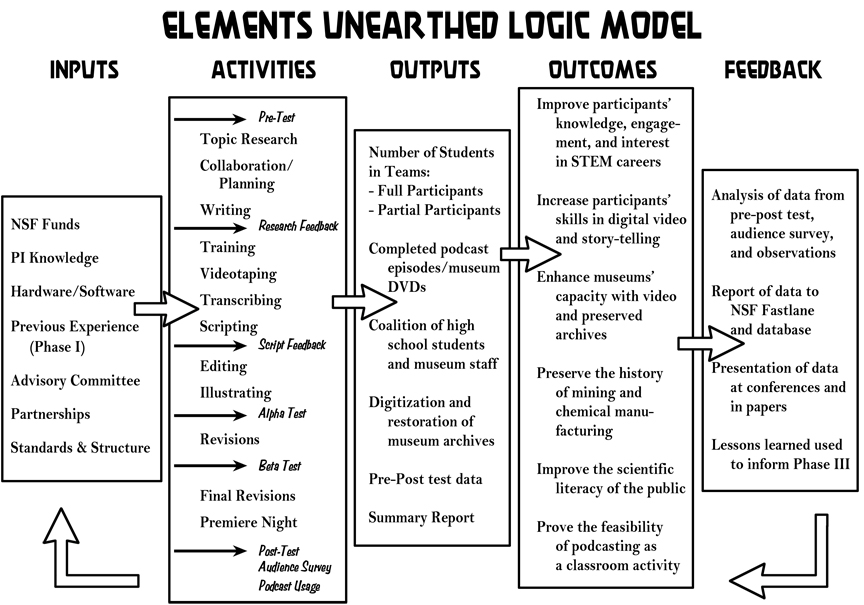
If you’ve never been through the process of submitting a formal proposal to NSF from one of their solicitations, here’s how the process works. First, you have to find a program area and solicitation (call for proposals) that matches the goals and objectives of your project. NSF funds projects in many different categories; the one that best matches what I’m trying to do (improve science, technology, engineering, and math [STEM] education through student-created podcasts) is the Informal Science Education solicitation (NSF 09-553). There are particular requirements and steps to follow for this or any other NSF grant. Before anything else, it helps to work with an expert in research design and to clarify the exact goals and operational objectives (which must be measurable) you will be focusing on. NSF recommends using a logic or process flowchart model to think through the inputs, processes or activities, outputs (products), and outcomes of the project. Here’s the logic model I’ve worked up for this project:

Logic Model

Logic Model for The Elements Unearthed Project

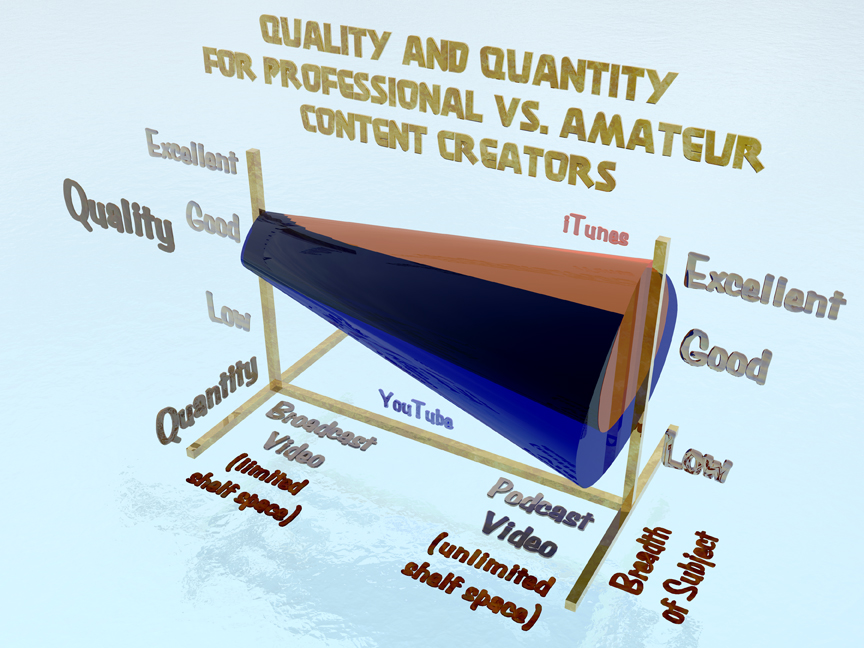
Once that has all been worked out, you’re ready to actually start writing up a proposal. First, a preliminary proposal must be submitted and approved by NSF before the final proposal can be submitted. This I did on June 25, and of the 610 submissions, about 40% (approximately 240) were approved for final submission. Next, you must follow what the solicitation asks for in particular and what the General Proposal Guidelines say in general. This proposal needs an electronic cover sheet, a one-page project summary, a 15 page narrative description with bibliography, biographical sketches of the principle personnel, and a detailed budget with justification. In the past I tried to cut and paste text from a Word document; this time I converted all my files to .pdfs and merely linked them in, which was much easier. I also included diagrams and tables for the first time. Here is a diagram I created this week showing the relationships between quality and quantity of videos created as one moves from professional broadcast video to podcasting.

Quality vs Quantity for podcasts

Comparing Quality, Quantity, and Professionalism for Podcasting

An obvious questions is, if I’ve had experience with this before, why didn’t I get the grant then and why do I think I’ll be successful this time? One of the best features of the NSF proposal process is that your projects are reviewed by at least three qualified experts who write up comments and suggestions. After doing the Letter of Intent (which is now a Preliminary Proposal – the solicitation was updated this year) and submitting the final proposal last year, the reviewers turned down my request mostly because I needed a better evaluation plan and broader project management. The basic idea was considered excellent and they all encouraged me to re-submit after improving those areas. I’ve now done so, at least as far as I can at this point (I’m still working out partnerships and the Advisory Committee) and my evaluation plan is much stronger than before.

If you would like to read the final full proposal, here is the Project Description in .pdf format:

Elements_Unearthed_ NSF_proposal_2009

I would appreciate any comments you might make or any support you might be able to give. This file also lists the expected completion dates of future podcast episodes.

Of the 240 or so that will submit final proposals, NSF expects to fund between 40 and 50 proposals. Mine is a Pathways Project, meaning it is a prototype project meant to eventually become a full-scale project. I proposed that we begin with 20 teams over two years, starting in 2010-11 with seven teams/sites in Utah, then spreading to 13 teams the next year in Utah, Colorado, and Nevada. I also proposed that each team work directly with personnel from local museums to utilize the museum’s expertise and to enhance the museum’s programs by providing finished video segments that can be used to attract visitors or for exhibits or even to sell in the gift shop to raise money. If you do the final math, 50 accepted out of 240 proposals is about a one in six chance. I’ve been successful with lower odds than that, so we’ll just have to wait and see. Unfortunately, the wait will be pretty long; it could be May before I know anything. In the meantime, I’m looking for other grants and sources of funding for this project, especially since I need money now to continue editing the videos and to set up new sites for this year.

But that’s one big load off my chest – for good or ill, I’ve clicked the submit button and it’s out of my hands. Now I can get back to editing. I proposed to have some episodes (about nine) completed by Jan. 1, when I will finally officially launch the iTunes site for this project. I am also looking at hosting the videos on Ourmedia or Libsyn since I won’t be able to use this blog for much video storage and traffic. I’ll also create YouTube versions of each episode, although I will have to break them up into <10 minute segments as I have already done with the Project Rationale video. After the initial nine episodes on Jan. 1, I will post additional episodes as I can get them finished on the first day of each month through May or June. I have enough materials to do about 30 episodes all told by then, so about five per month. That’s a lot of editing, and I’m also trying to make money from my other endeavors to keep food on the table and the mortgage paid. If I can get some grant money, I can focus on this project along.

We all have things we would do if we could because they are our passion. If we are extremely lucky, our passions also can become our careers and our jobs. If not, we have to work on them in-between trying to make ends meet. I’ve been luckier in this respect than most with past projects, and I know that I’ll be successful in this effort as well.

Read Full Post »

« Newer Posts - Older Posts »